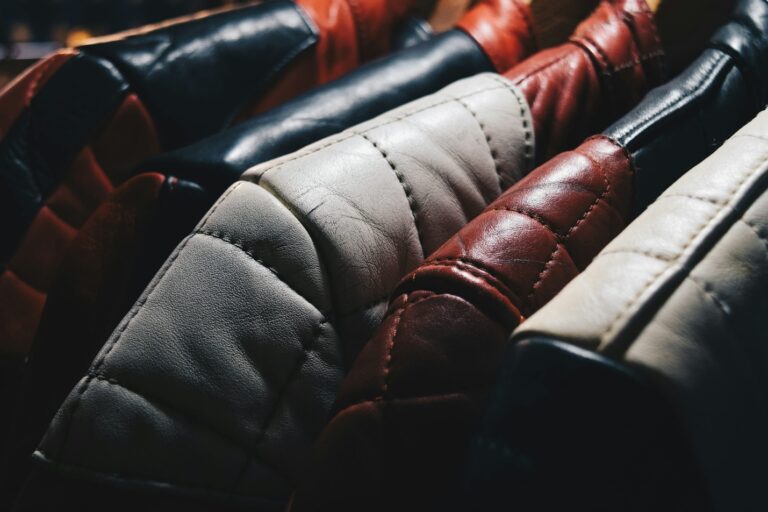
Fabric has become a working material, not just a surface people see or touch. It has to survive movement, washing, pressure, spills, sunlight, and daily handling. A coat may need to feel soft while blocking moisture. A chair fabric may need to stay clean after years of use. This is where WPU textile coatings have become useful: they add functionality without compromising the fabric’s character.
The Quiet Work Behind Better Fabrics
A coating should protect the textile without making the fabric feel trapped under a hard layer. Waterborne polyurethane helps solve that problem by forming a flexible film that can move with the fibers. This allows coated textiles to keep their shape, surface feel, and strength during regular use.
For apparel, that can mean better comfort. For upholstery, it can mean less wear and tear. For technical textiles, it can mean stronger performance under stress.
Protection That Does Not Feel Heavy
Many coated fabrics fail because the finish feels too stiff or begins to crack. WPU textile coatings are valued for their ability to enhance abrasion resistance while making the fabric easier to bend, fold, and sew. That matters when a material has to work in real life, not just pass a test.
A fabric treated with water-based polyurethane can handle repeated movement better than many rigid coating systems. This helps reduce surface damage in products such as jackets, bags, seating, workwear, and outdoor covers.
Water Resistance With a Softer Hand
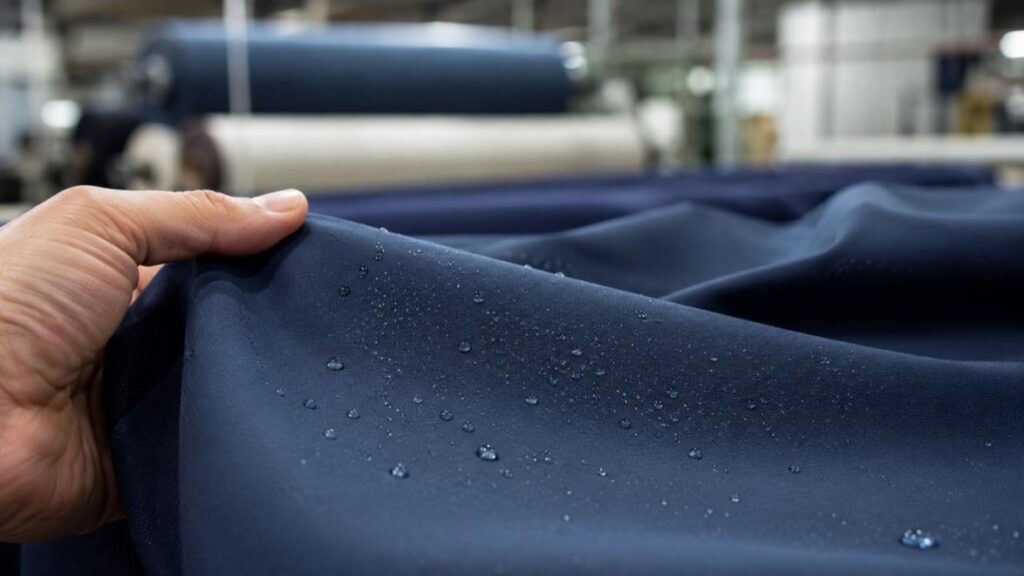
Moisture is one of the main reasons manufacturers coat textiles. Water can weaken fibers, leave stains, change surface feel, or shorten the useful life of a product. A waterborne polyurethane coating helps reduce water absorption while keeping the fabric lighter and easier to use.
This is especially useful for apparel and upholstery, where comfort still matters. The goal is not to make every fabric feel sealed. The goal is to give it enough protection to perform better without losing its original feel.
Why Technical Textiles Need Better Chemistry
Technical fabrics often face heat, pressure, bending, friction, and exposure to chemicals or moisture. In these applications, the coating choice affects safety, durability, and long-term cost. Water-based PU systems can help improve surface strength, flexibility, and resistance while supporting cleaner production methods.
Demand for water-based PU for textile applications is growing as manufacturers seek materials that perform well and meet modern production needs. This makes WPU textile coatings a practical option for coated fabrics used in sportswear, protective gear, transport interiors, and industrial textiles.
Fabrics Built for Real Use
Good textile coatings are easy to overlook when they work well. The fabric simply lasts longer, feels better, and handles use with fewer problems. WPU textile coatings help make that possible by improving durability, water resistance, and flexibility in one system. For manufacturers seeking water-based polyurethane solutions for textile applications, SIWO US provides dependable support as a polyurethane material supplier. We also offer specialized solutions including water based PU for textile, Industrial Waterborne Polyurethane Coatings, and cationic urethanes for ink application. Contact us today.