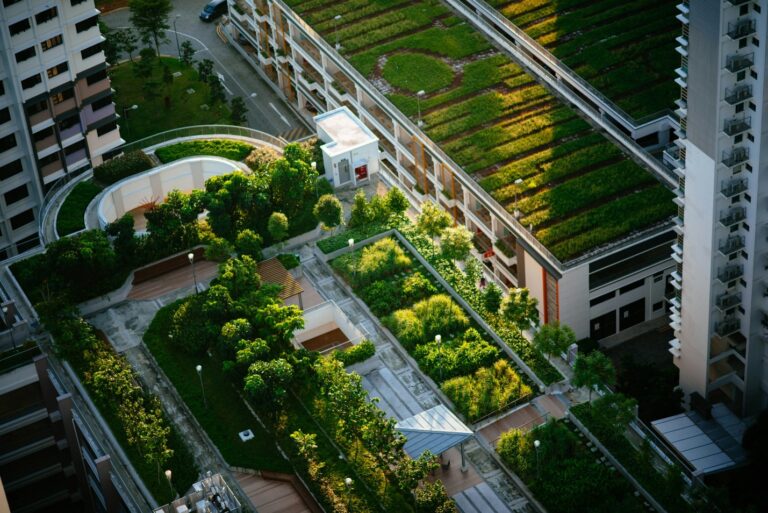
Sustainability has become a strategic priority across construction, manufacturing, and industrial production.
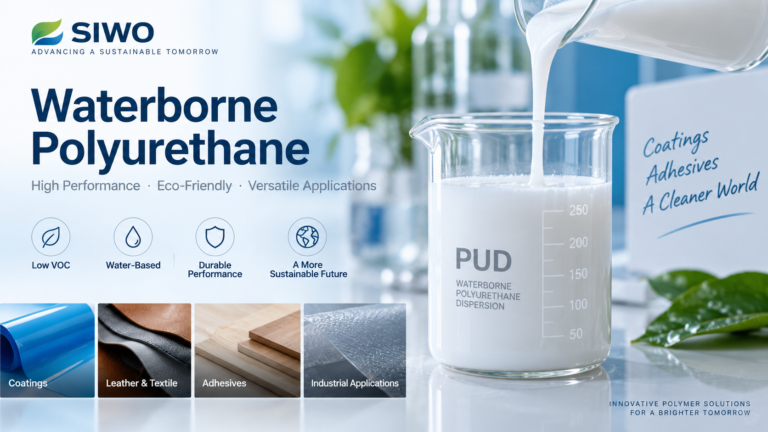
These changes have accelerated the adoption of advanced coating and adhesive technologies that support environmental goals while meeting demanding technical requirements. Among the most promising developments is sustainable waterborne polyurethane, which combines the durability of polyurethane chemistry with significantly lower volatile organic compound (VOC) emissions than many conventional solvent-based systems.
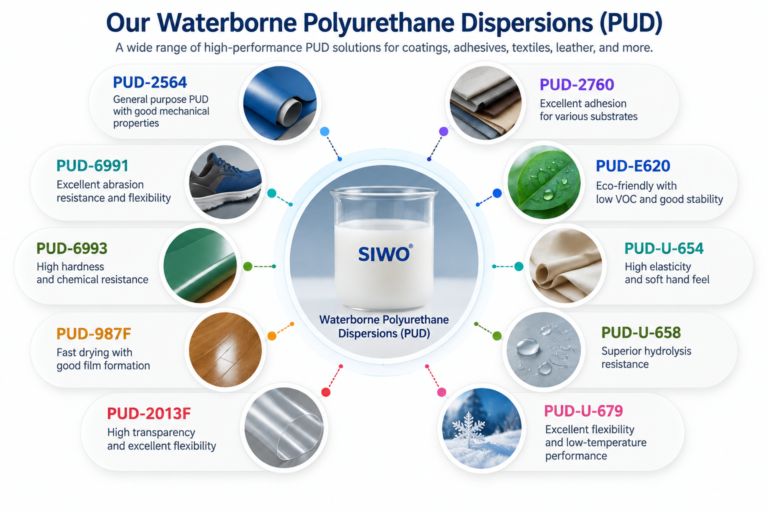
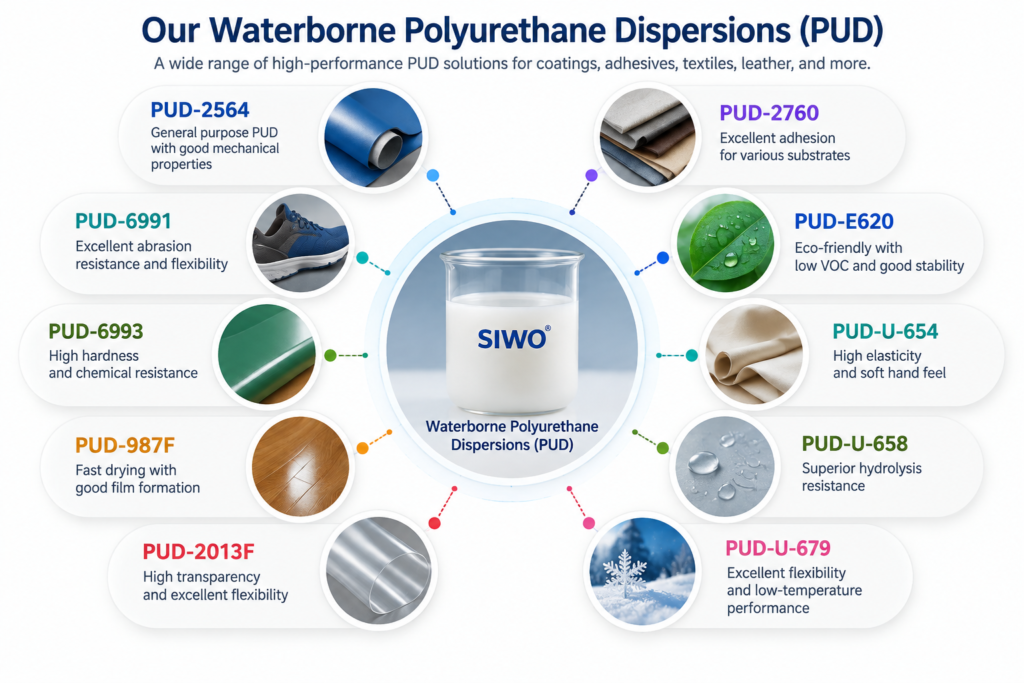
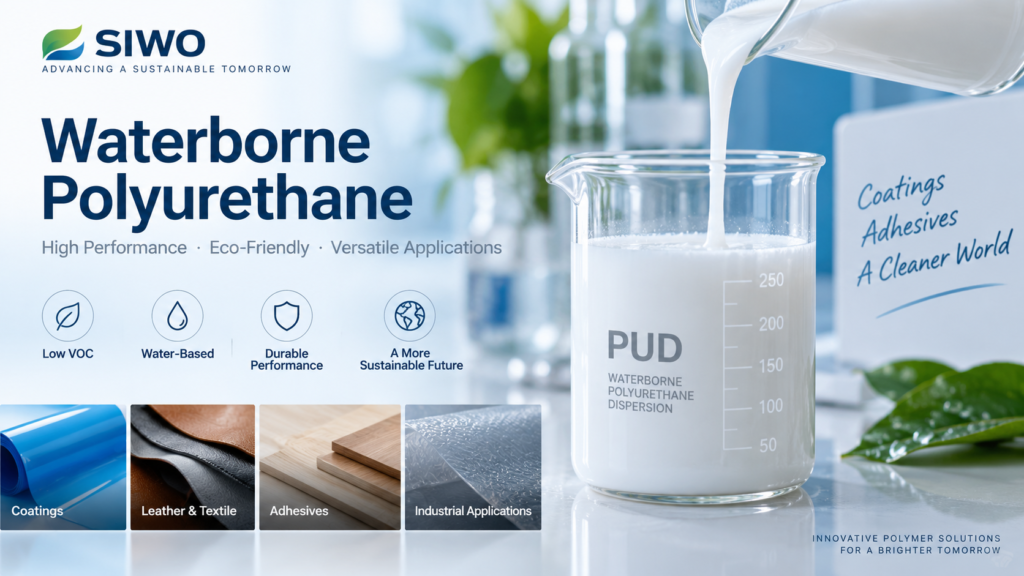
Waterborne polyurethane dispersions (PUDs) have evolved considerably over the past two decades. Improvements in polymer design, crosslinking technology, and formulation chemistry now enable these materials to deliver excellent adhesion, abrasion resistance, flexibility, and weatherability across a wide range of industrial applications. Their versatility makes them suitable for coatings, adhesives, textiles, flooring, packaging, and construction materials where environmental responsibility and long-term performance must go hand in hand.
Why Sustainability Is Driving Material Innovation
The construction and manufacturing sectors account for a significant share of global energy consumption, resource utilization, and greenhouse gas emissions. In response, governments and industry organizations continue introducing stricter regulations aimed at improving indoor air quality, reducing hazardous emissions, and encouraging the use of environmentally responsible materials.
Low-emission coatings and adhesives play an important role in achieving these objectives because they directly influence both manufacturing processes and building performance. Many organizations are replacing traditional solvent-based products with water borne polyurethane systems that help reduce VOC emissions while maintaining high-performance characteristics required for industrial applications.
Although sustainability initiatives differ across industries and regions, the trend toward cleaner production technologies continues to accelerate.
Understanding Waterborne Polyurethane Technology
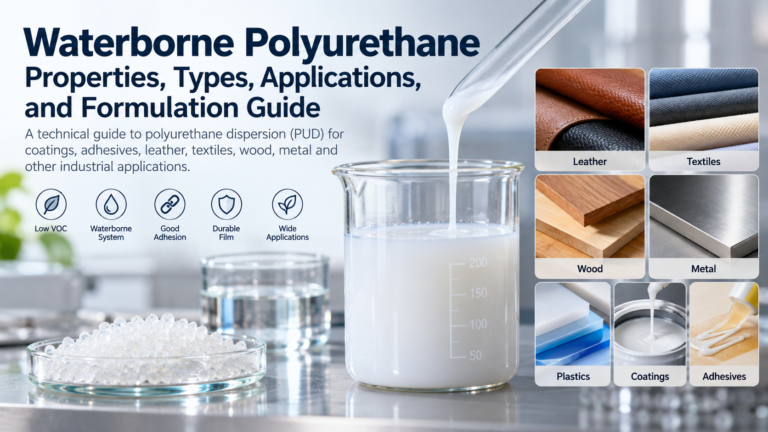
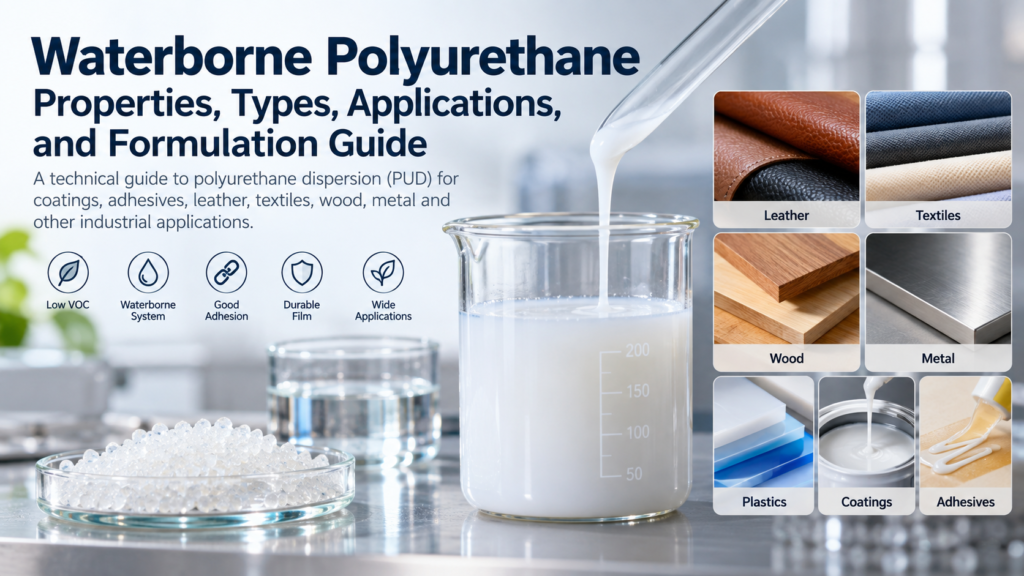
Polyurethane dispersions are aqueous systems in which polyurethane particles remain suspended in water rather than organic solvents. This technology allows manufacturers to formulate coatings and adhesives with substantially lower solvent content while preserving many of the mechanical properties associated with polyurethane materials.
Modern water based polyurethane formulations can be engineered to achieve excellent flexibility, hardness, chemical resistance, and adhesion depending on the intended application. Continued advances in resin chemistry have also improved film formation, allowing waterborne systems to perform successfully in demanding environments that were once dominated by solvent-based alternatives.
These developments have significantly expanded the use of polyurethane dispersions across industries focused on both performance and environmental compliance.
Improving Manufacturing Sustainability
Sustainability extends well beyond the finished product. Manufacturers increasingly evaluate raw materials based on production efficiency, worker safety, waste reduction, and overall environmental impact throughout the manufacturing process.

The use of water based PU technology can help reduce solvent handling requirements while improving workplace conditions during coating and adhesive application. Lower solvent content may also simplify regulatory compliance and reduce emissions associated with manufacturing operations.
Many companies are integrating waterborne technologies into broader environmental, social, and governance (ESG) initiatives aimed at improving operational sustainability while maintaining product quality.
Long-Term Performance Reduces Environmental Impact
Sustainable materials must do more than reduce emissions during manufacturing—they must also deliver reliable long-term performance. Products that fail prematurely require replacement, consume additional resources, and generate unnecessary waste throughout their lifecycle.
Advanced waterborne polyurethanes for industrial coatings provide excellent resistance to abrasion, weathering, moisture, and many industrial chemicals when properly formulated. These performance characteristics help extend maintenance intervals for coated surfaces, reducing material consumption over time.
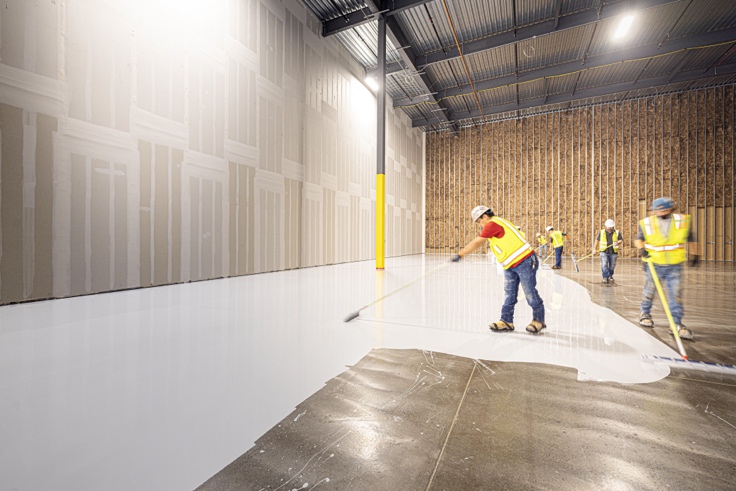
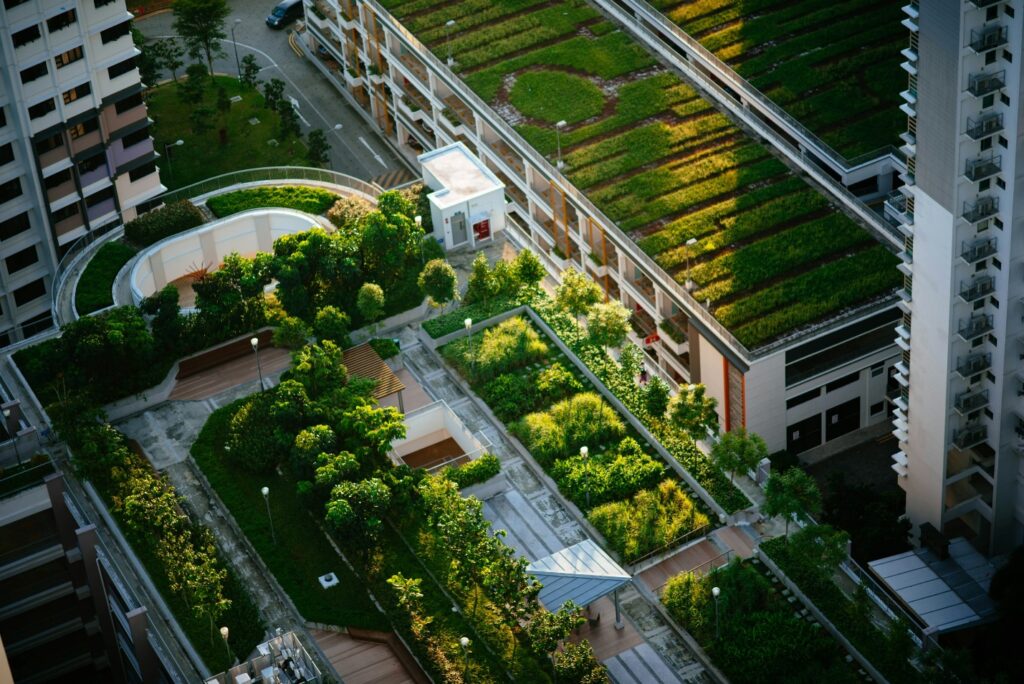
From industrial flooring and structural steel to architectural components and protective finishes, durable coating systems contribute to more sustainable asset management throughout the service life of buildings and infrastructure.
Versatility Across Eco-Conscious Industries
The environmental advantages of polyurethane dispersions have encouraged adoption across numerous manufacturing sectors.
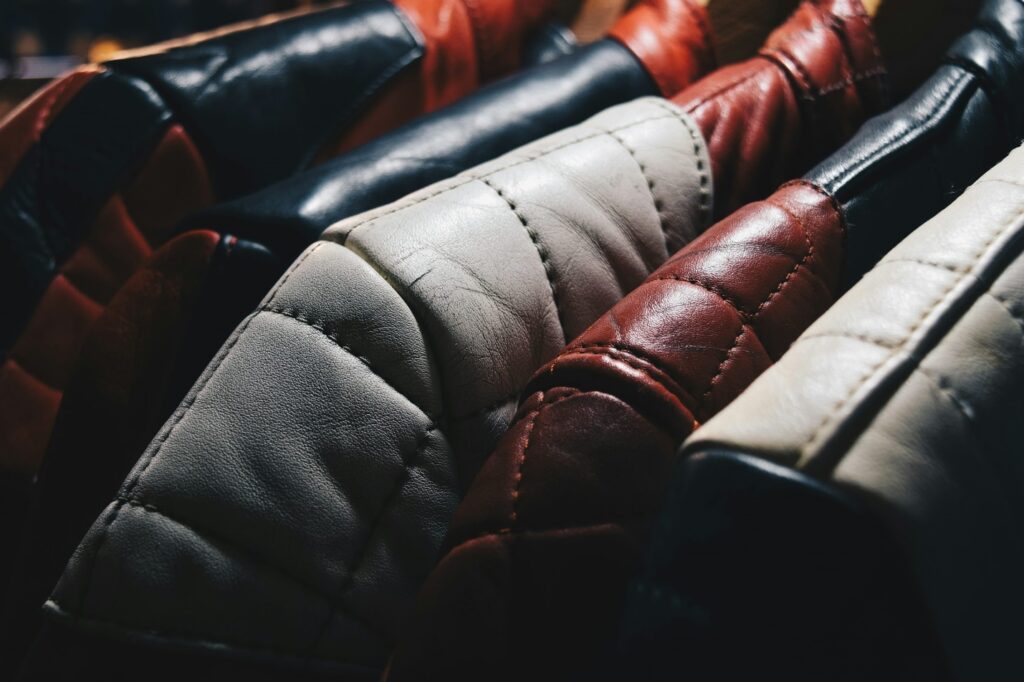
High-performance polyurethanes for adhesives support cleaner bonding solutions for composite materials, furniture, packaging, automotive components, and industrial assemblies. Similar technologies are also used in textiles, flexible packaging, flooring systems, and engineered materials where manufacturers seek reliable performance alongside reduced environmental impact.

This versatility allows companies to implement sustainable material strategies across multiple production lines without sacrificing technical performance.
Material Selection for Sustainable Product Development
Selecting the appropriate polyurethane technology requires balancing environmental objectives with application-specific performance requirements. Factors such as substrate compatibility, curing conditions, weather exposure, flexibility, hardness, chemical resistance, and processing methods all influence formulation decisions.
Working with an experienced water based polyurethane supplier enables manufacturers to evaluate resin technologies that align with both sustainability goals and technical specifications. Laboratory testing remains essential to verify coating performance under actual service conditions before commercial implementation.
Early collaboration during product development often improves formulation efficiency while reducing costly adjustments later in the manufacturing process.
Future Trends in Waterborne Polyurethane Technology
Research continues to advance polyurethane dispersion technology through improved polymer architectures, renewable raw material integration, enhanced durability, and lower environmental footprints. Scientists are also exploring bio-based feedstocks, improved recyclability, and higher-performance formulations capable of meeting increasingly demanding industrial requirements.

As environmental regulations continue evolving worldwide, manufacturers are expected to place greater emphasis on advanced water based PU dispersion technologies that support regulatory compliance without compromising product quality.
The combination of sustainability, versatility, and engineering performance positions waterborne polyurethane as an important material platform for future manufacturing innovation.
Contact SIWO US Inc. today to discuss your project requirements, request technical guidance, or learn more about our advanced waterborne polyurethane solutions for sustainable manufacturing and green building applications.