
Electronic assemblies, medical devices, and precision-engineered components require coating technologies that perform well beyond basic surface protection. These industries demand thin, uniform films that safeguard sensitive parts against moisture, chemicals, abrasion, and environmental contaminants without compromising dimensional accuracy or functionality. As manufacturing processes become increasingly sophisticated and environmental regulations continue to evolve, waterborne polyurethane electronics coatings are gaining recognition as a reliable solution for applications where precision, durability, and sustainability must coexist.
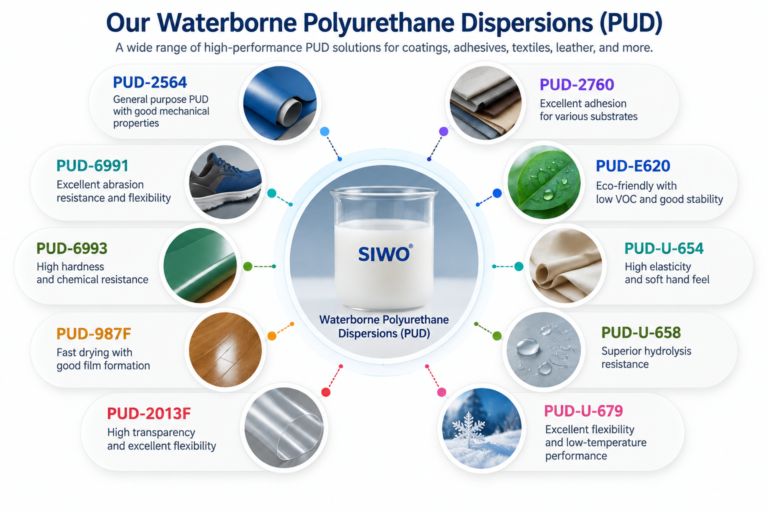
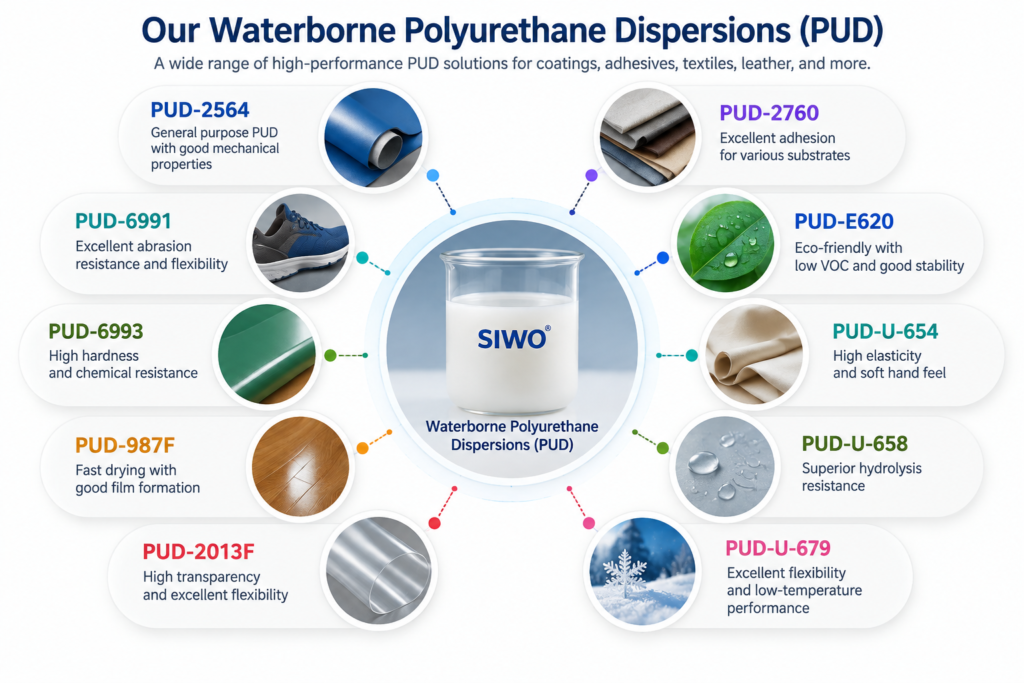
Unlike conventional solvent-based systems, waterborne polyurethane dispersions (PUDs) combine low volatile organic compound (VOC) emissions with outstanding mechanical properties. Advances in polymer chemistry have significantly improved their resistance to chemicals, flexibility, adhesion, and process consistency, making them suitable for highly controlled manufacturing environments where even small material inconsistencies can affect product quality.
Why Precision Industries Require Advanced Coating Technologies
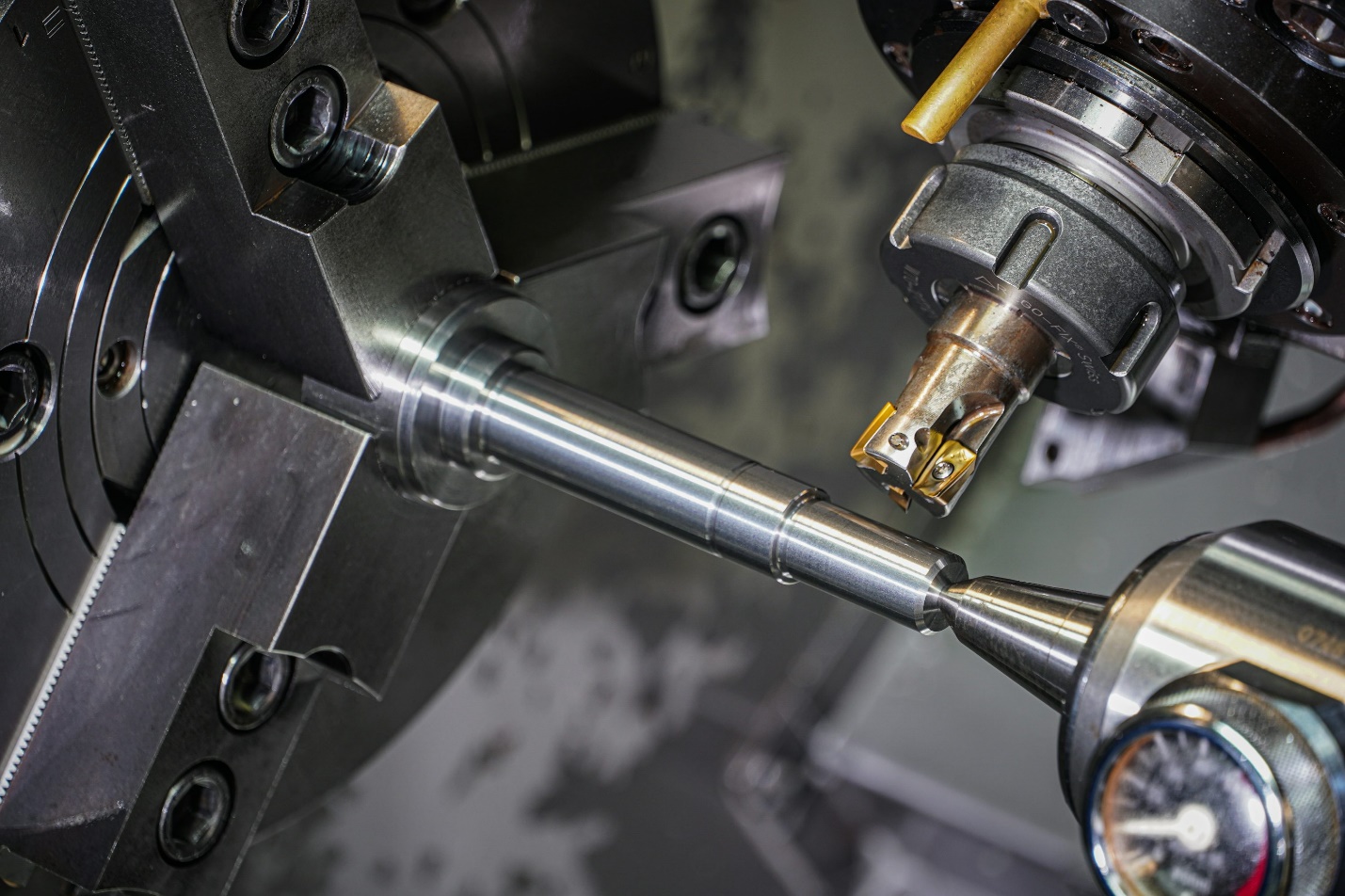
Electronics and medical manufacturing differ substantially from traditional industrial production. Components often feature intricate geometries, miniature parts, and highly sensitive surfaces that leave little room for coating defects. Excessive film thickness, poor adhesion, or uneven curing can interfere with electrical performance, assembly tolerances, or device reliability.
Protective coatings are expected to resist humidity, oxidation, dust, cleaning agents, and repeated handling while maintaining dimensional stability throughout the product’s service life. These demanding conditions require carefully engineered waterborne polyurethane dispersions capable of forming consistent, defect-free films across a wide range of substrates.
As miniaturization continues across industries, coating precision has become just as important as coating durability.
Understanding Waterborne Polyurethane Dispersion Technology
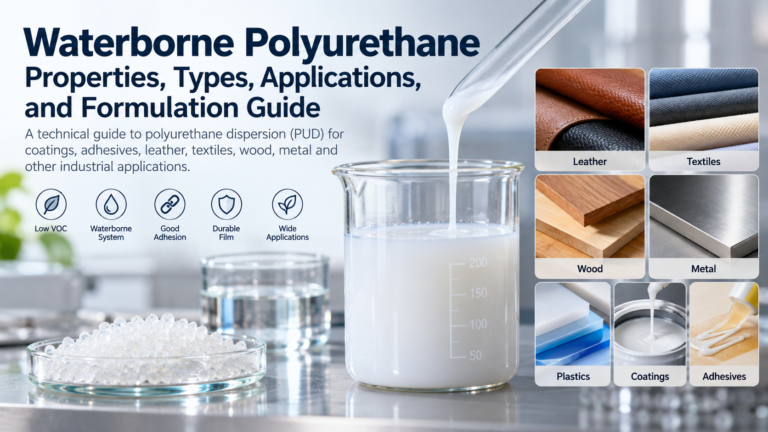
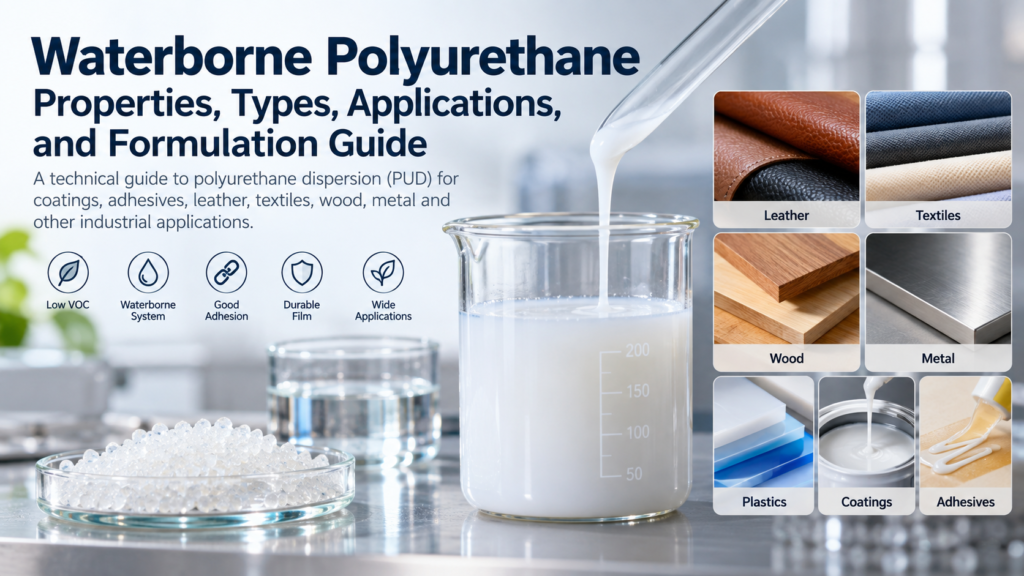
Polyurethane dispersions are water-based polymer systems in which polyurethane particles remain uniformly suspended within an aqueous medium. Unlike solvent-heavy formulations, these systems significantly reduce VOC emissions while maintaining many of the performance characteristics traditionally associated with polyurethane chemistry.
Modern waterborne polyurethane dispersion technology allows formulators to balance hardness, flexibility, elasticity, chemical resistance, and adhesion according to specific application requirements. Advances in particle morphology and polymer architecture have also improved film coalescence, enabling waterborne systems to achieve smooth, continuous protective layers suitable for sensitive electronic and medical components.
These improvements have expanded the adoption of waterborne polyurethane technology across industries requiring controlled manufacturing environments and consistent product quality.
Moisture and Chemical Resistance for Electronic Components
Moisture remains one of the leading causes of electronic component degradation. Condensation, humidity, airborne contaminants, and chemical exposure can gradually reduce insulation performance, promote corrosion, and shorten equipment lifespan.
Properly formulated waterborne polyurethane coating systems create durable protective barriers that help shield printed circuit boards, connectors, sensors, and electronic housings from environmental exposure. Their ability to resist cleaning solutions, light industrial chemicals, and daily handling makes them suitable for consumer electronics, industrial controls, telecommunications equipment, and automotive electronic systems.
Depending on formulation objectives, polyurethane coatings may also improve scratch resistance while preserving surface appearance and mechanical integrity.
Precision Film Formation and Surface Uniformity
One of the defining characteristics of coatings used in precision manufacturing is the ability to produce highly uniform films. Variations in coating thickness can influence electrical insulation, optical clarity, component fit, and assembly accuracy.
Carefully engineered water based polymer systems provide excellent leveling characteristics, allowing manufacturers to achieve smooth coatings with minimal surface defects. Stable dispersion technology also supports consistent application through various manufacturing methods, including spraying, dipping, roll coating, and automated dispensing systems.
This process consistency contributes to improved production efficiency while reducing the likelihood of costly rework or rejected components.
Applications in Medical Device Manufacturing
Medical devices introduce additional material requirements beyond mechanical performance. Coating materials frequently encounter repeated sterilization, disinfectants, body fluids, and continuous physical contact during clinical use.
Many manufacturers evaluate ionic dispersion technology because it can be tailored to achieve controlled flexibility, adhesion, and chemical resistance while supporting specialized medical applications. Although biocompatibility depends on the complete formulation and regulatory validation of each finished product, polyurethane dispersions offer formulation versatility for numerous healthcare-related components.
Common applications include diagnostic equipment, wearable medical products, protective housings, flexible tubing components, and specialized healthcare equipment where durable surface protection is essential.
Every medical application requires comprehensive testing to verify compliance with applicable regulatory and performance standards before commercial use.
Compatibility with Printing and Functional Surface Technologies
The growth of printed electronics, smart labels, flexible sensors, and functional packaging has increased interest in polyurethane technologies compatible with advanced printing processes.
Certain inkjet printing PUD resin formulations demonstrate promising performance for digital printing applications by providing stable particle distribution, controlled viscosity, and reliable substrate adhesion. Continued research is also exploring cationic urethanes for ink application that support improved print quality on specialized substrates used in industrial manufacturing.
These developments illustrate how polyurethane dispersion technology continues to evolve beyond traditional protective coatings into multifunctional manufacturing materials.
Sustainability Without Sacrificing Performance
Environmental regulations continue to encourage manufacturers to reduce solvent emissions while maintaining product quality and operational efficiency. Waterborne polyurethane technologies align well with these objectives by lowering VOC emissions and reducing dependence on conventional solvent-based systems.
Modern PUD resins can deliver excellent durability while supporting cleaner production environments. Lower solvent content also contributes to improved workplace conditions during manufacturing and simplifies compliance with environmental regulations across many global markets.

As electronics and medical manufacturers continue pursuing sustainability initiatives, waterborne polyurethane technologies are expected to play an increasingly important role in responsible product development.
At SIWO US Inc., we work closely with manufacturers, formulators, and engineering teams to help identify waterborne polyurethane technologies that meet demanding technical requirements across precision industries. Whether you’re developing next-generation electronic components or specialized medical products, we are committed to helping you select solutions that align with your manufacturing goals and performance expectations.
Contact SIWO US Inc. today to discuss your application requirements, request technical guidance, or learn more about our advanced waterborne polyurethane solutions for precision manufacturing.