Modern infrastructure demands coating systems that deliver long-term protection while meeting increasingly stringent environmental regulations. From steel bridges and commercial buildings to industrial floors and precast concrete structures, coatings must withstand moisture, abrasion, ultraviolet exposure, temperature fluctuations, and chemical attack throughout their service life. At the same time, manufacturers and contractors are under pressure to reduce volatile organic compound (VOC) emissions without compromising performance.
Construction waterborne polyurethane coatings have emerged as a reliable solution for these evolving requirements. Advances in polyurethane dispersion (PUD) technology have significantly improved durability, adhesion, flexibility, and weather resistance, allowing water-based systems to compete with—and in many applications surpass—traditional solvent-based alternatives.
Why Construction Coatings Face Increasing Performance Demands
Construction materials are exposed to a combination of mechanical stress and environmental conditions that can quickly degrade conventional coating systems. Steel structures require corrosion protection against moisture and salt exposure, while concrete substrates present challenges due to their porous nature and varying moisture content. Exterior surfaces must also resist UV radiation, thermal expansion, and repeated wet-dry cycles.
These conditions demand coating materials that maintain strong adhesion without becoming brittle over time. Selecting the appropriate water based polyurethane technology helps manufacturers develop protective systems capable of maintaining appearance and performance throughout extended service intervals.
Understanding Waterborne Polyurethane Technology
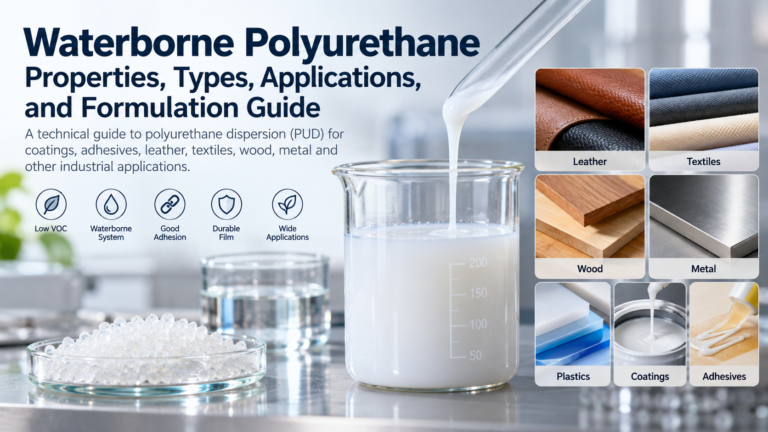
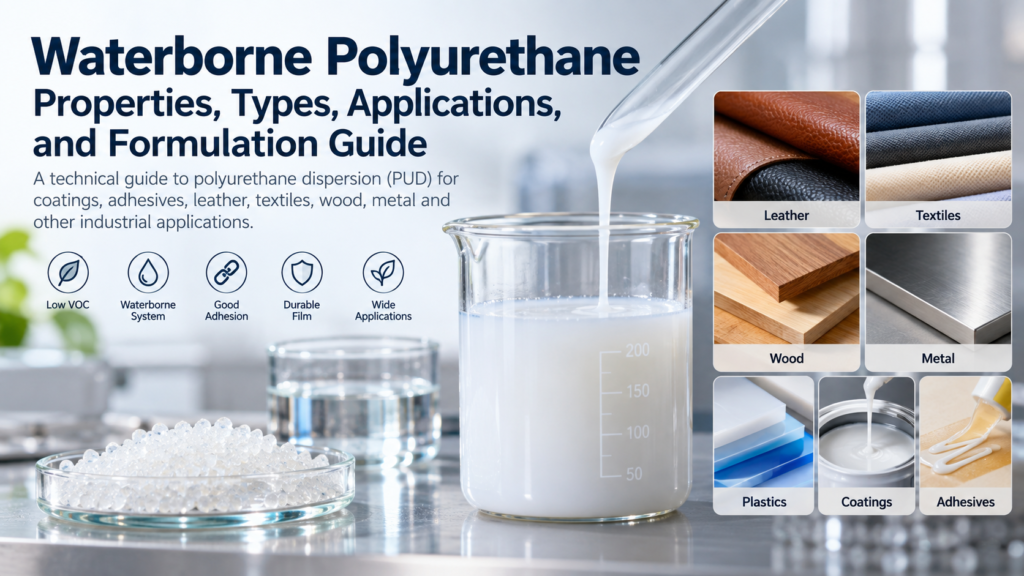
Unlike conventional solvent-rich coatings, polyurethane dispersions suspend polymer particles in water, reducing VOC emissions while maintaining the mechanical properties associated with polyurethane chemistry. Continued improvements in resin design have enabled these dispersions to provide excellent film formation, chemical resistance, and mechanical durability across numerous industrial applications.
Many manufacturers now incorporate Waterborne Polyurethane Dispersions into protective coating formulations because they combine environmental compliance with high-performance characteristics. Depending on formulation requirements, dispersions can be engineered to achieve varying hardness, elasticity, gloss levels, and curing profiles.
This flexibility allows formulators to tailor coating systems for different substrates without sacrificing long-term durability.
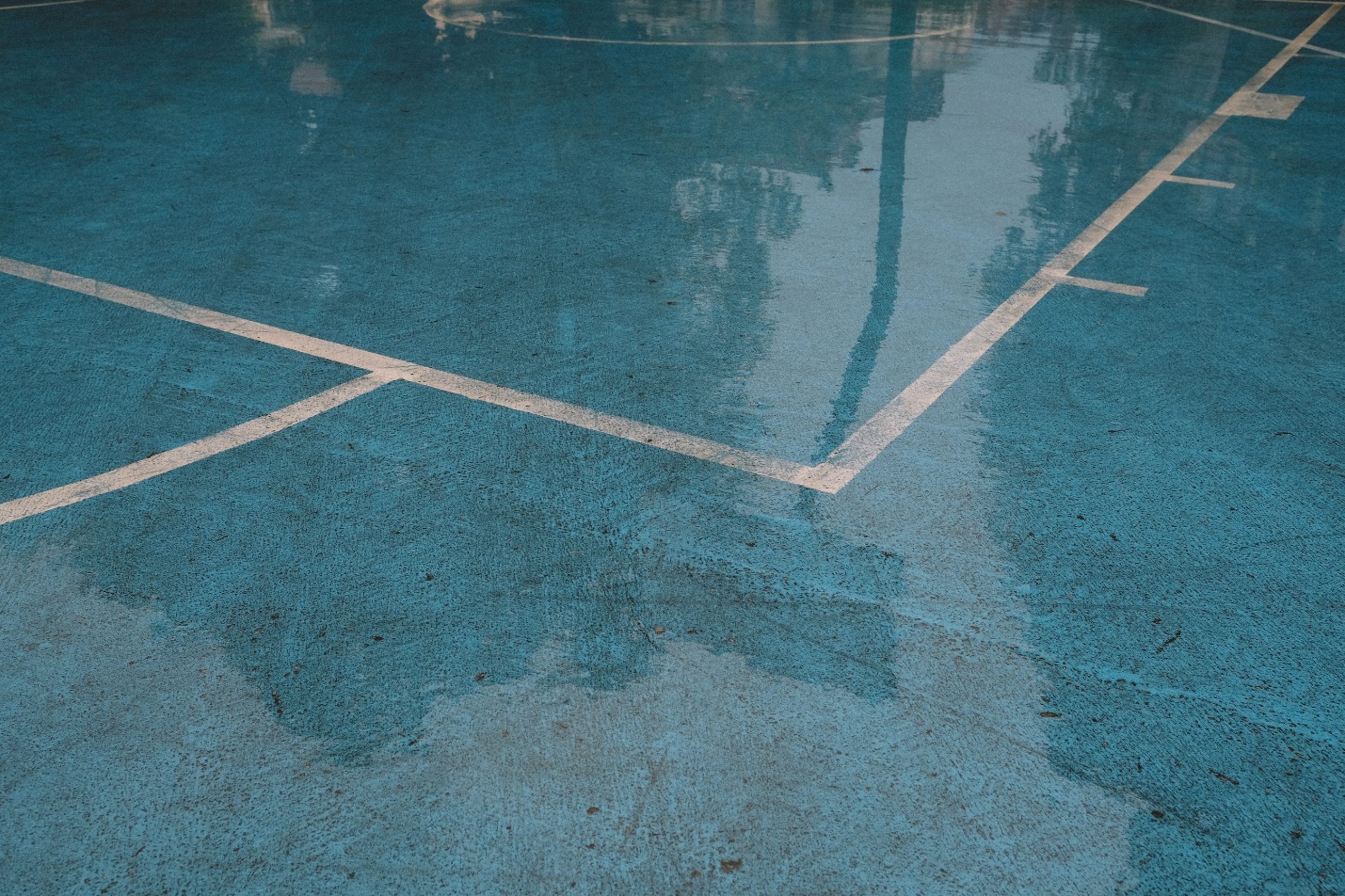
Image Filename: basketball-court-floor-coated
Image Alt Text: A newly finished indoor basketball court protected with a waterborne polyurethane floor coating.
Image Caption: Waterborne polyurethane coatings provide long-lasting protection and an attractive finish for indoor sports flooring.
https://unsplash.com/photos/blue-and-white-basketball-court-at-daytime-AdS3j7mV57E
Adhesion Across Multiple Construction Substrates
One of the primary advantages of polyurethane dispersions is their ability to adhere effectively to a wide variety of building materials.
Steel surfaces require coatings that maintain strong interfacial bonding while resisting corrosion beneath the film. Concrete substrates demand coatings capable of penetrating microscopic surface irregularities to create durable mechanical and chemical adhesion. Aluminum components, galvanized steel, fiber cement panels, and composite construction materials each present unique surface characteristics that influence coating performance.
Modern Waterborne Polyurethanes for industrial coatings can be formulated to accommodate these different substrates while maintaining excellent film integrity throughout changing environmental conditions.
Proper surface preparation remains essential, but advanced resin chemistry provides formulators with greater flexibility when designing coating systems for diverse construction applications.
Durability in Harsh Service Environments
Construction coatings frequently encounter conditions that accelerate wear and degradation.
Industrial flooring experiences continuous foot traffic, rolling equipment, and impact loading. Exterior metal structures must tolerate years of sunlight, rainfall, freeze-thaw cycles, and airborne contaminants. Protective coatings also encounter cleaning chemicals, fuels, oils, and mild industrial solvents in many commercial environments.
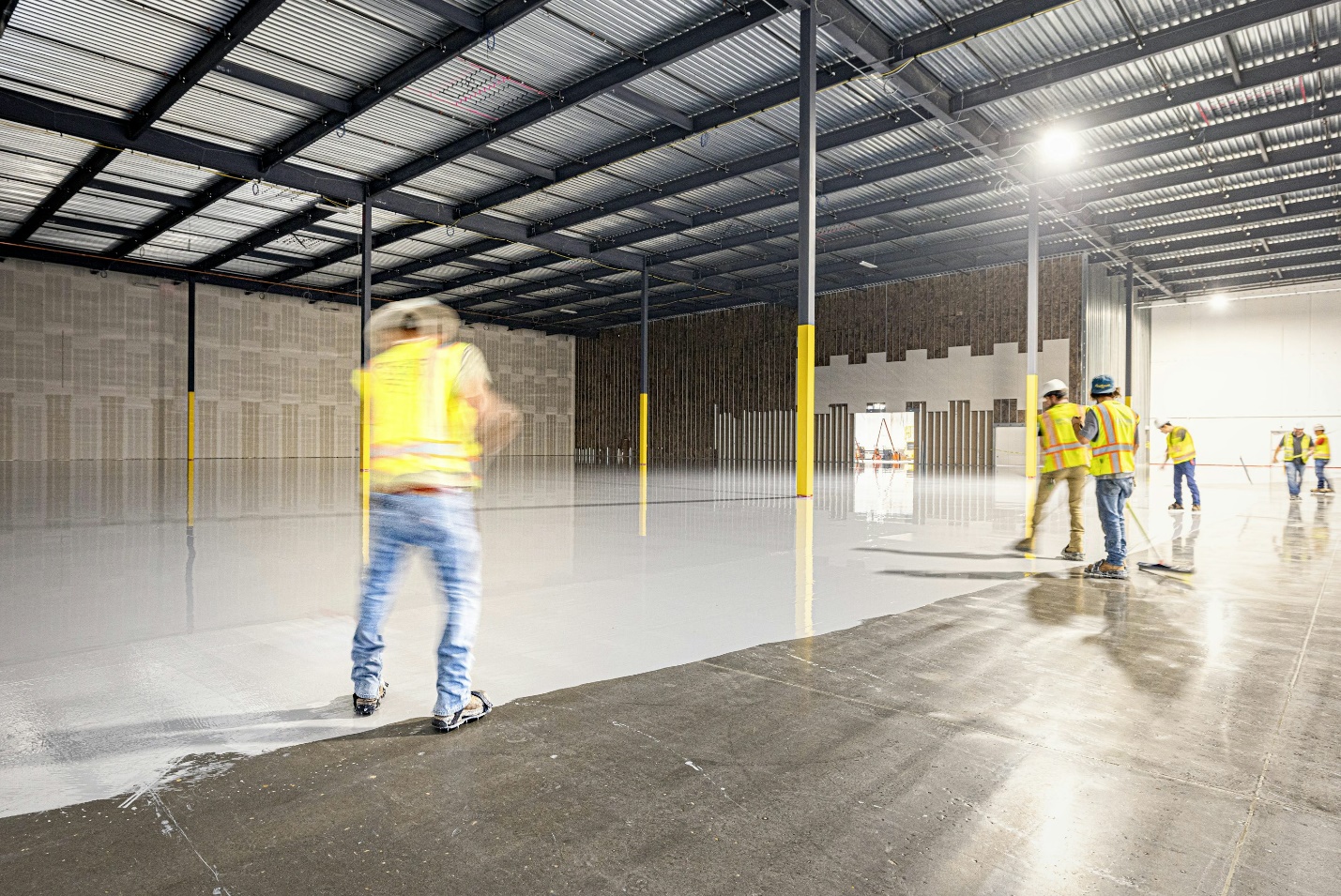
A properly formulated waterborne polyurethane coating offers excellent abrasion resistance while retaining enough flexibility to accommodate substrate movement without premature cracking. These characteristics help extend maintenance intervals and reduce lifecycle costs for facility owners.
In many infrastructure projects, long-term durability has become equally important as initial application performance.
Supporting Environmental Compliance
Environmental regulations continue to influence coating selection across the construction industry. Federal, state, and regional agencies have established increasingly strict VOC limits for architectural and industrial coatings. Building owners also place greater emphasis on sustainable materials that contribute to healthier indoor environments.
Many industrial waterborne polyurethane coatings support these objectives by significantly reducing solvent content compared with conventional polyurethane systems. Lower VOC emissions improve workplace conditions during application while helping manufacturers meet evolving regulatory requirements.
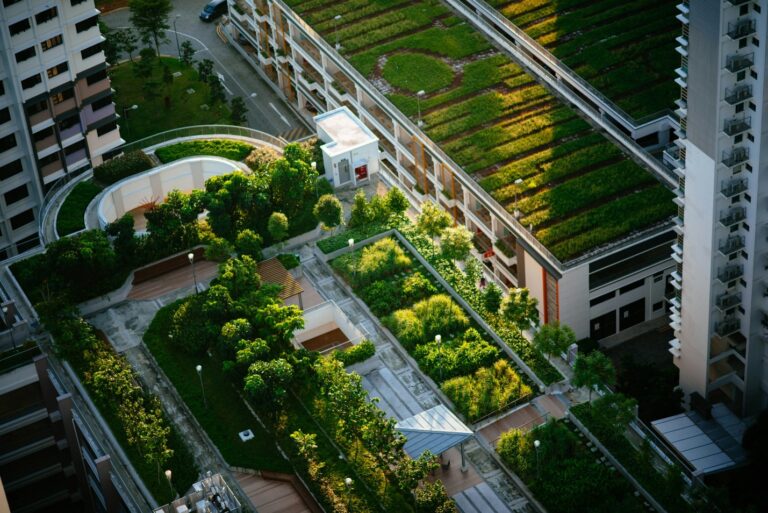
For projects pursuing green building certifications, lower-emission coating technologies can also contribute to broader sustainability initiatives focused on indoor environmental quality and responsible material selection.
Formulation Flexibility for Diverse Applications
Construction projects rarely rely on a single coating system. Different structures require specialized formulations depending on exposure conditions, desired appearance, and performance expectations.
Polyurethane dispersions may be incorporated into primers, intermediate coats, clear finishes, or pigmented topcoats. Formulators can also adjust hardness, elasticity, chemical resistance, and gloss characteristics by selecting the appropriate PUD for coating formulation.
This versatility supports applications including:
- Structural steel protection
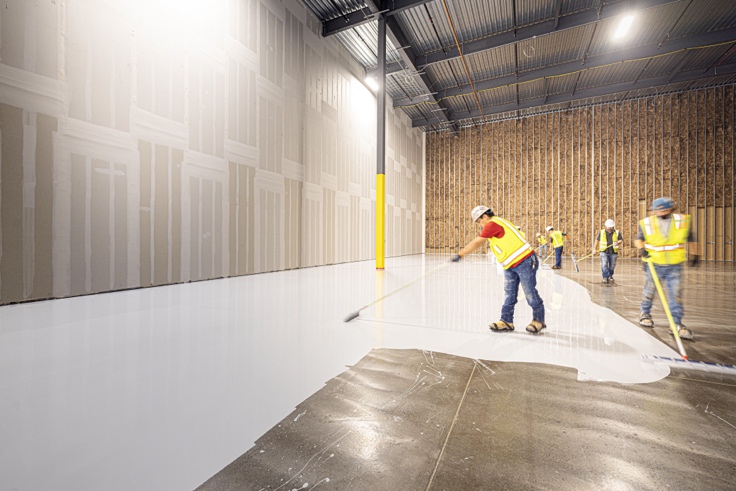
- Concrete floor coatings
- Architectural metal finishes
- Protective industrial equipment coatings
- Exterior building components
- Decorative concrete sealers
The ability to fine-tune performance enables manufacturers to develop products that address highly specific customer requirements.
Comparing Waterborne and Solvent-Based Polyurethane Systems
Traditional solvent-based polyurethane coatings have historically been selected for demanding industrial environments because of their excellent durability. However, improvements in dispersion chemistry have narrowed this performance gap considerably.
Modern waterborne systems offer several important advantages:
- Lower VOC emissions
- Improved workplace safety during application
- Easier equipment cleanup
- Reduced odor
- Regulatory compliance across many markets
- Excellent weatherability
- Strong mechanical performance
Although certain specialized applications may still require solvent-based technologies, ongoing research continues to expand the capabilities of advanced water based PUD formulations.
As resin technology evolves, manufacturers can increasingly achieve high-performance protective coatings while supporting environmental objectives.
Selecting the Right Polyurethane Solution
Every construction project presents unique environmental exposures and substrate requirements. Factors such as service temperature, humidity, UV exposure, anticipated chemical contact, curing conditions, and desired finish all influence resin selection.
Working with an experienced polyurethane supplier helps formulators evaluate these variables and select dispersion technologies that balance performance, processing efficiency, and regulatory compliance. Laboratory evaluation and application testing remain essential steps before full-scale production, ensuring that coating systems consistently meet specification requirements.
For manufacturers seeking reliable performance while addressing evolving sustainability expectations, construction waterborne polyurethane coatings represent a practical solution that supports both technical requirements and regulatory compliance.
At SIWO US Inc., we work closely with coating manufacturers, formulators, and industrial partners to help identify polyurethane solutions that align with specific application requirements and performance objectives. Whether you’re developing new protective coatings or optimizing an existing formulation, we are committed to helping you find the right technology for your project.
Contact SIWO US Inc. today to discuss your application, request technical guidance, or learn more about our waterborne polyurethane solutions for construction and industrial coatings.