Manufacturers evaluating coating and adhesive technologies must consider performance, cost, environmental requirements, and long-term production goals. The decision between traditional solvent-based systems and modern alternatives requires a clear understanding of application needs. A waterborne vs solvent-based polyurethane comparison helps businesses identify which technology best supports their operational and sustainability objectives.
Understanding Performance Differences
Solvent-based polyurethane systems have been widely used because of their strong durability, chemical resistance, and established processing methods. However, evolving environmental standards and market expectations have encouraged manufacturers to explore more sustainable alternatives.
Modern waterborne polyurethanes offer advanced performance characteristics, including flexibility, adhesion, abrasion resistance, and surface protection. These systems are designed to meet demanding industrial requirements while reducing reliance on solvent-heavy formulations.
Performance outcomes depend on formulation design, substrate compatibility, and application conditions. Selecting the right polyurethane technology ensures manufacturers achieve the required balance of durability and efficiency for their specific products.
Comparing Cost Factors and Long-Term Value
Initial material cost is only one factor when evaluating coating systems. Businesses should also consider operational expenses, regulatory requirements, workplace conditions, and future compliance needs.
Advanced water based polyurethane technologies may provide long-term value through reduced VOC emissions, easier regulatory alignment, and improved sustainability positioning. While transitioning from existing solvent-based systems may require adjustments to processes or equipment, the overall benefits can support more efficient manufacturing.
A reliable polyurethane manufacturer can help businesses evaluate material choices based on production requirements, performance expectations, and cost considerations.
Environmental Compliance and Manufacturing Trends
Environmental regulations continue influencing how industries approach coating and adhesive development. Manufacturers are increasingly seeking solutions that deliver strong performance while supporting lower-emission production practices.
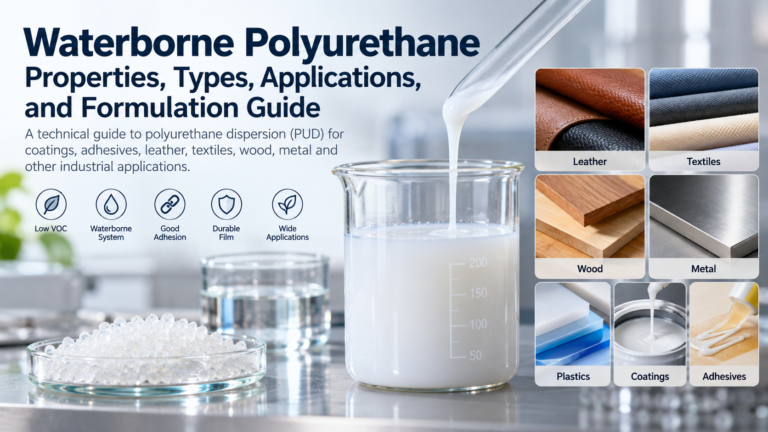
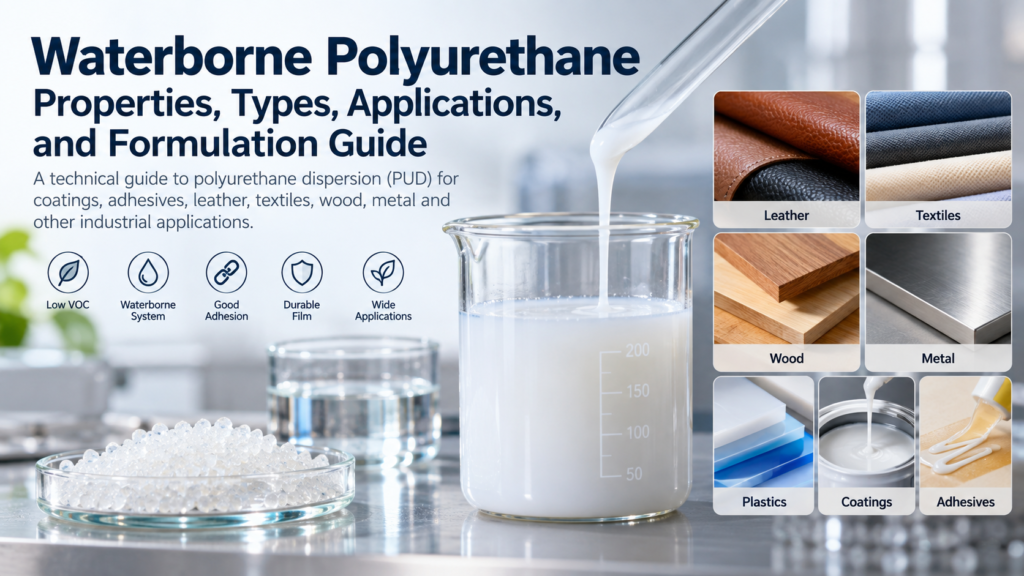
Modern waterborne polyurethane dispersions provide a versatile platform for creating coatings that meet these changing expectations. These materials can be adapted for applications including industrial coatings, textiles, adhesives, and protective finishes.
Working with experienced suppliers allows companies to identify formulations that support both technical requirements and environmental objectives.
Making a Sustainable Transition with Confidence
The shift toward waterborne technologies represents an important step for manufacturers looking to improve sustainability without sacrificing performance. By evaluating durability, cost, and compliance requirements, businesses can make informed decisions about adopting advanced polyurethane systems.
With continued innovation in polyurethane chemistry, waterborne solutions are becoming an increasingly valuable option for industries seeking reliable, efficient, and environmentally responsible materials.
Choosing the Right Polyurethane Solution
Every application has different performance demands, meaning there is no single solution suitable for all industries. Factors such as surface type, durability requirements, production methods, and regulatory needs should guide material selection.
SIWO US supports manufacturers seeking reliable polyurethane technologies and technical expertise. As a polyurethane material supplier, SIWO US helps businesses develop solutions that meet modern manufacturing challenges.