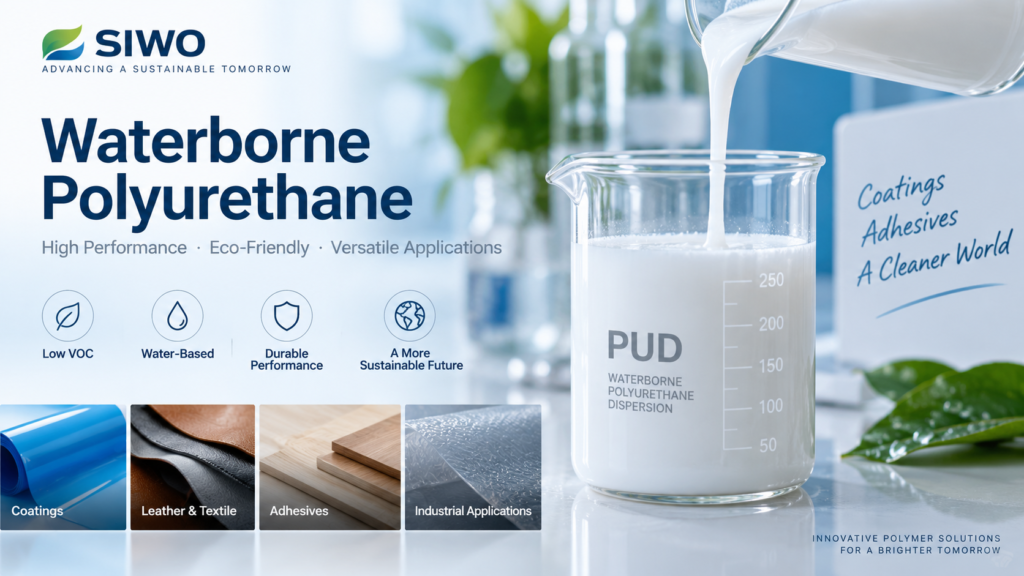
A printed label may look right when it leaves the press, then fail later on a pouch, bottle, carton, or film. Rubbing, folding, heat sealing, moisture, and handling all test the ink after production. This is where WPU printing inks have become useful. They help printed surfaces keep clear color, hold to difficult materials, and bend without cracking, which matters when packaging has to look good after real use.
Clear Graphics Need a Stable Ink Film
Clarity depends on how the binder carries pigment and how evenly the ink dries. WPU printing inks form a smooth film that helps reduce haze, uneven gloss, and weak color laydown. That can improve fine text, barcodes, brand marks, and transparent printed layers.
A good waterborne polyurethane dispersion also supports clean film formation without relying heavily on solvent systems. For printers, this can mean fewer surface defects and better consistency across labels, films, and paper-based materials.
Adhesion Is Where Many Prints Struggle
Packaging rarely uses one simple surface. Printers deal with treated films, coated boards, foils, plastics, and laminated structures. Each one reacts differently to ink. If the binder does not wet the surface well, the print can scuff, peel, or transfer.
WPU printing inks are valued because Waterborne polyurethane can be adjusted for surface contact and bond strength. This makes them useful for flexible packaging, sleeves, tags, and specialty items that are subject to stacking, shipping, and repeated handling.
Flexibility Keeps the Design Intact
A package is rarely still. It bends during filling, compresses during transport, and shifts in storage. Labels wrap around curved containers. Pouches crease at the edges. Inks that dry too hard can split under these conditions.
With the right water-based PU chemistry, the printed layer can move with the substrate. This helps protect color and detail on soft films, shrink labels, and flexible materials where stiffness would create visible damage.
Cleaner Systems Without Giving Up Performance
Printers are under pressure to reduce solvent use, reduce odor, and meet increasingly stringent customer requirements. WPU printing inks support that shift because they are built on water-compatible technology. A water-based polyurethane binder can still provide adhesion, abrasion resistance, and film strength when the formulation is matched to the substrate.
This balance is why water-based systems are gaining interest in packaging, labels, and specialty printing. They help production teams address performance and compliance issues in a single ink platform.
Choosing the Right Resin Matters
Ink performance starts with the resin. The wrong binder can affect drying, rub resistance, adhesion, and finish. A dependable Polyurethane Material Supplier can help formulators select systems that fit the printing method and end use. For manufacturers using WPU printing inks, SIWO US provides waterborne polyurethane solutions for coating, ink, and specialty-material applications. For support with water-based systems built for print performance, contact us today to explore our high-quality PUD resins, adhesive polyurethanes, and advanced inkjet printing PUD material.