A weak bond rarely announces itself at the start. It shows up later, after heat, movement, pressure, and time have done their work. A lifted film edge, a split laminate, a loose trim part, or a failed package seal can tell the same story. The adhesive was asked to do too much with too little support. That is why WPU adhesives are gaining attention in bonding work where strength alone is not enough.
When a Bond Has to Bend
Many products are not fixed in place after leaving the production line. Shoes flex. Packaging folds. Upholstery shifts. Plastic parts vibrate. A rigid bond can crack under that kind of use, even if it performs well in a simple lab test.
This is where water-based polyurethane systems are useful. They can create bonds that hold while still allowing movement. That balance matters in products where the adhesive layer must stay intact without making the material stiff or uncomfortable.
Pressure Is Rarely Just Pressure
High stress bonding is often a mix of forces. Heat may soften the adhesive layer. Cold may reduce flexibility. Repeated bending can weaken the contact between surfaces. Moisture, oils, cleaning agents, or abrasion may add another challenge.
Well-designed WPU adhesives can be adjusted for these conditions. The chemistry can support adhesion, elasticity, heat response, and long-term stability. This makes them useful in applications where the bond is tested in daily use rather than controlled conditions.
Cleaner Systems With Practical Value
Many manufacturers want to reduce solvent use, but they cannot afford the cost of bonding failures. A cleaner adhesive still needs to run properly on production equipment, wet the surface well, dry at the right pace, and meet performance targets.
That is one reason Waterbased adhesives are being used in packaging, textiles, footwear, automotive interiors, and synthetic materials. They can support practical manufacturing goals while helping teams move toward safer handling and reduced reliance on solvents.
Why Dispersion Quality Matters
The performance of an adhesive starts before it reaches the substrate. Particle size, stability, solid content, and film formation all affect how the bond behaves after curing.
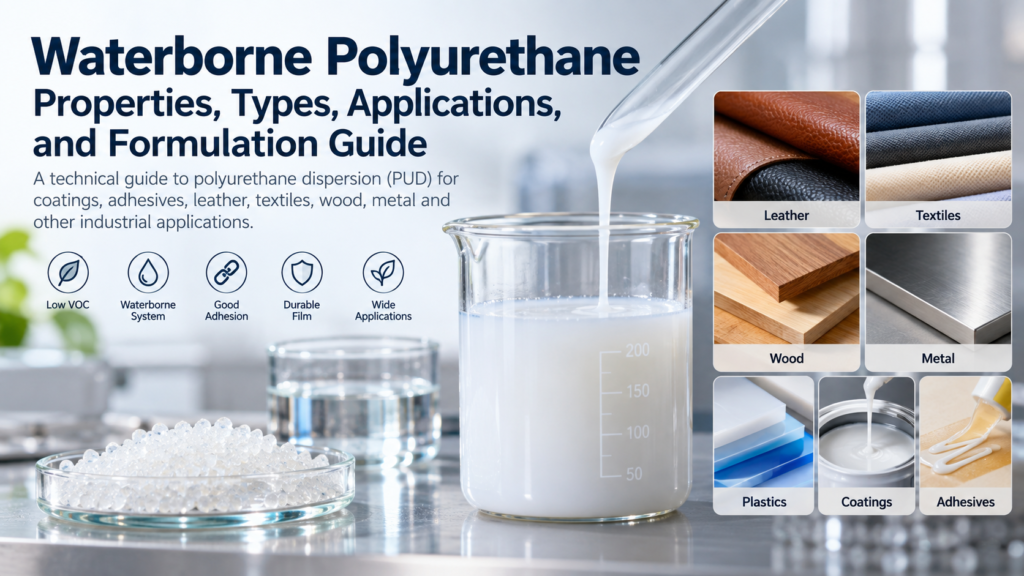
A good waterborne polyurethane dispersion helps create consistent adhesive films with useful strength and flexibility. For formulators, this can improve coating behavior, control bonding, and enhance compatibility with different surfaces. For production teams, it can reduce surprises during scale-up.
Matching Adhesives to Real Use
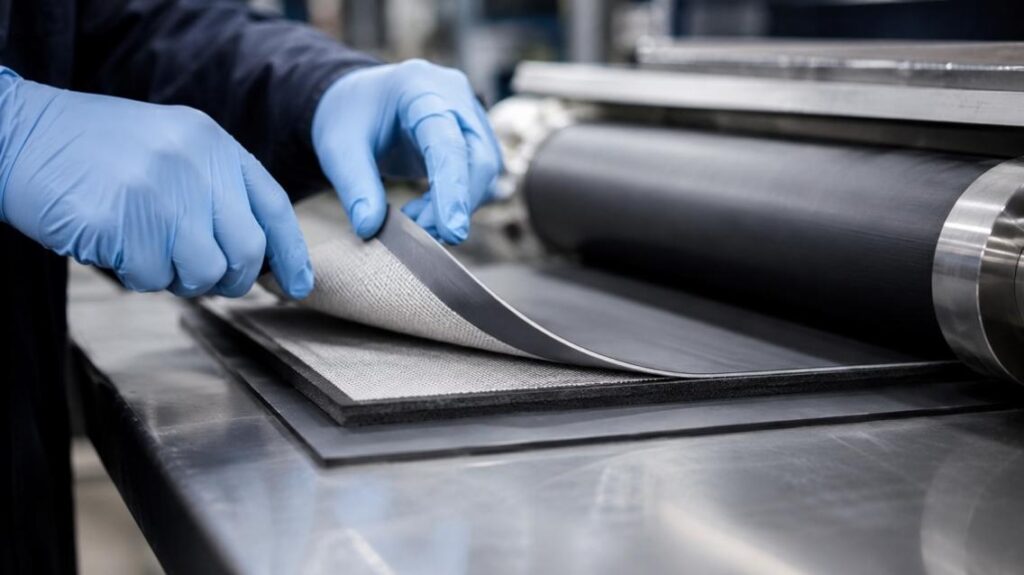
There is no single answer for every bonding job. A textile laminate may need softness and wash resistance. A plastic component may need vibration resistance. A heat-activated adhesive may require a clean bond after a short contact time. This is why Polyurethanes for Adhesives are often selected for targeted performance. They can be designed around the product’s actual stress pattern rather than forcing a single formula into every application.
Built to Stay Together
The best bond is one people never have to think about. It holds through handling, use, storage, shipping, and wear. WPU adhesives support that kind of reliability by combining flexibility, adhesion, and resistance to changing conditions. For manufacturers seeking dependable support with water-based PU adhesive systems, SIWO US serves as a premier Polyurethane Material Supplier that provides material solutions for demanding bonding applications, alongside specialty resins like our self-matting PUD. Contact us today.