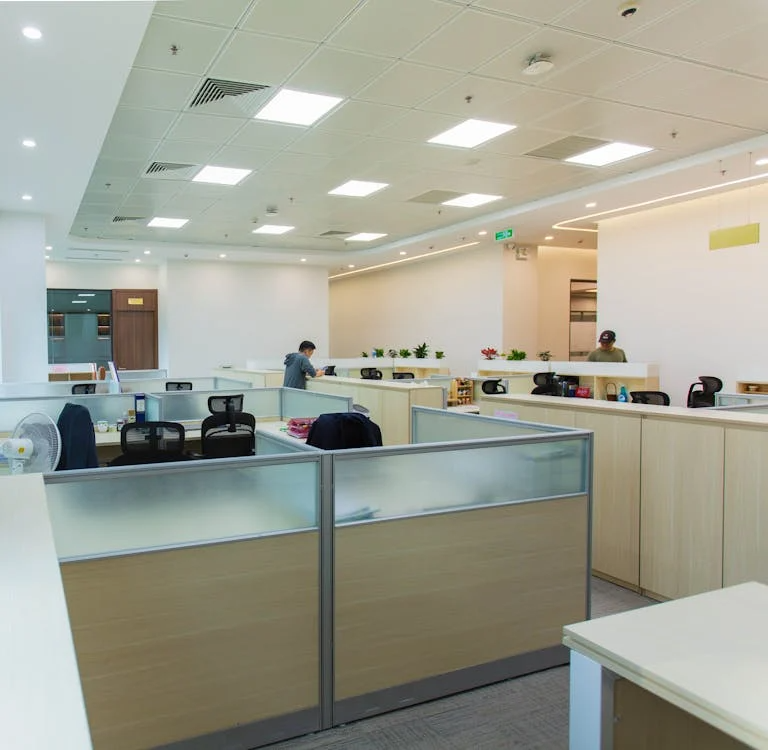
As modern workspaces evolve into open, collaborative environments, managing noise and enhancing acoustic comfort has become a critical design priority. Offices, co-working hubs, and hybrid work environments require materials that can effectively absorb sound while maintaining aesthetic and environmental standards. Advanced waterborne polyurethane coating and polyurethane dispersions are now being used to develop innovative acoustic panels that combine sound absorption with durability and sustainability. These materials are enabling designers to create quieter, more productive workspaces without compromising on performance or environmental responsibility.
The Growing Importance of Acoustic Design
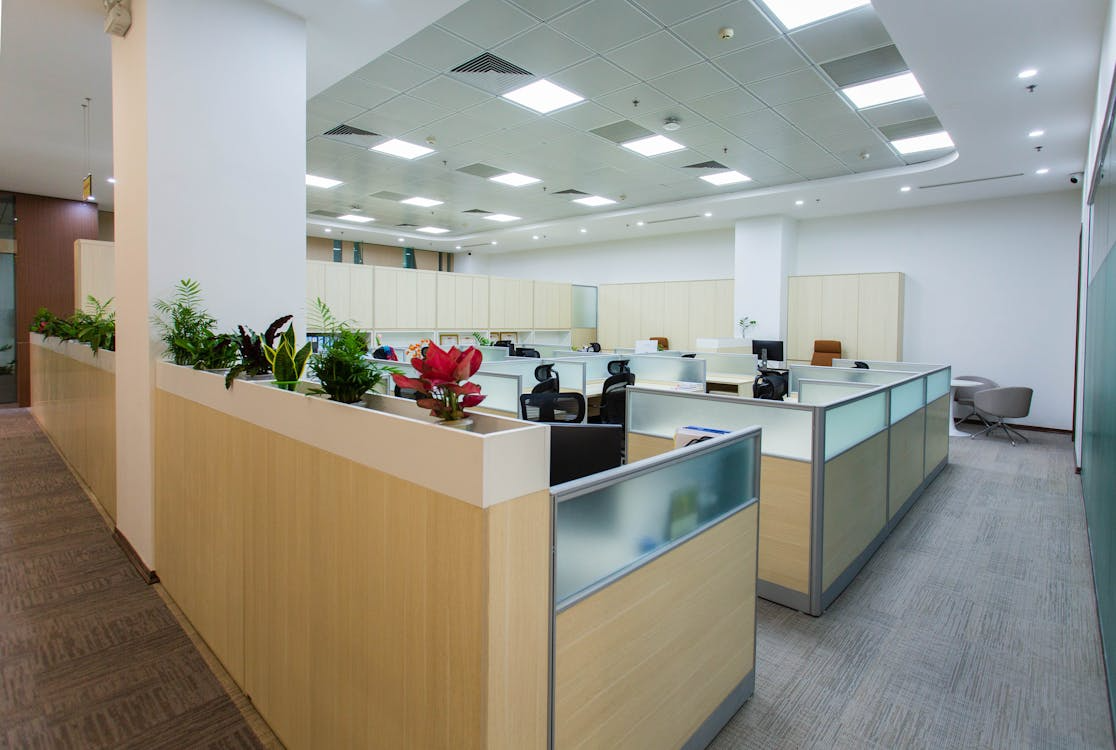
Open-plan offices and shared workspaces often struggle with excessive noise levels, which can reduce productivity, increase stress, and hinder communication. Acoustic comfort is no longer a luxury but a necessity in workplace design.
Traditional acoustic materials, such as foam or fiberglass panels, can lack durability or environmental compliance. In contrast, WPU-based acoustic panels offer a modern solution that integrates sound management with advanced material performance.
How WPU Panels Improve Sound Absorption
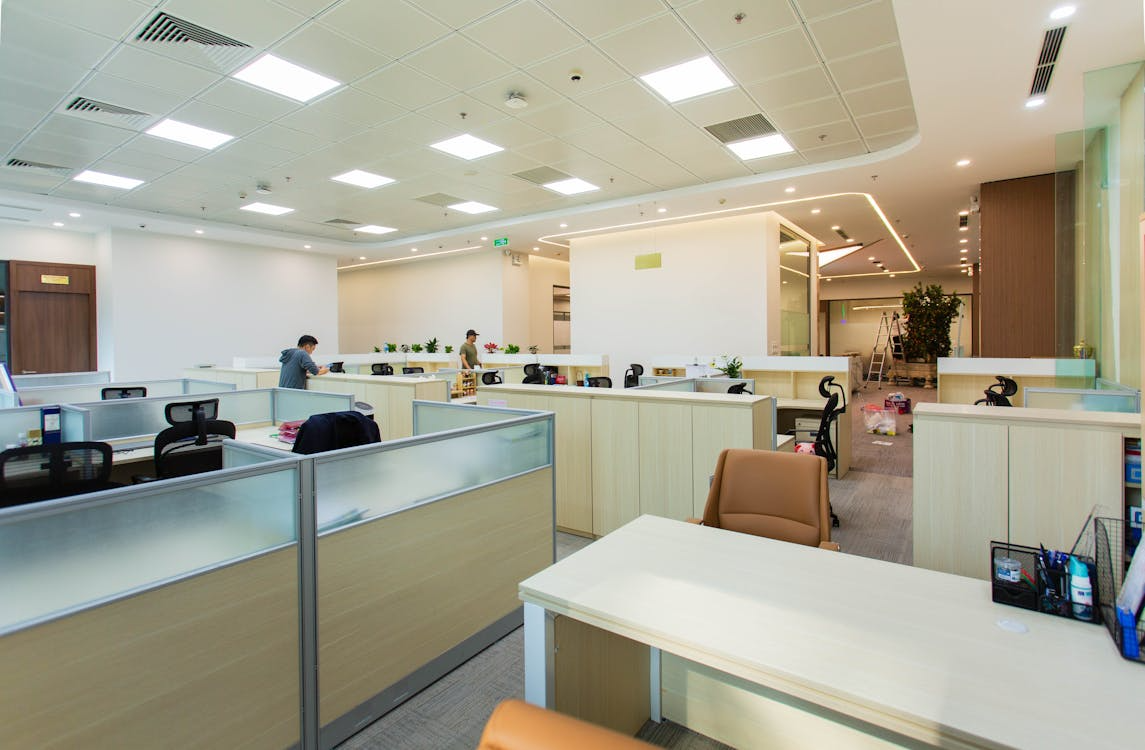
Waterborne polyurethane systems are highly versatile and can be engineered to enhance acoustic performance. When applied to or integrated into panel structures, WPUs contribute to:
- Sound dampening, reducing echo and reverberation in open spaces
- Vibration absorption,minimizing noise transfer through walls and surfaces
- Flexible surface structures, allowing better interaction with sound waves
- Lightweight panel design, making installation easier across various workspace configurations
These properties make WPU panels ideal for ceilings, walls, partitions, and modular office systems.
Design Flexibility and Aesthetic Integration
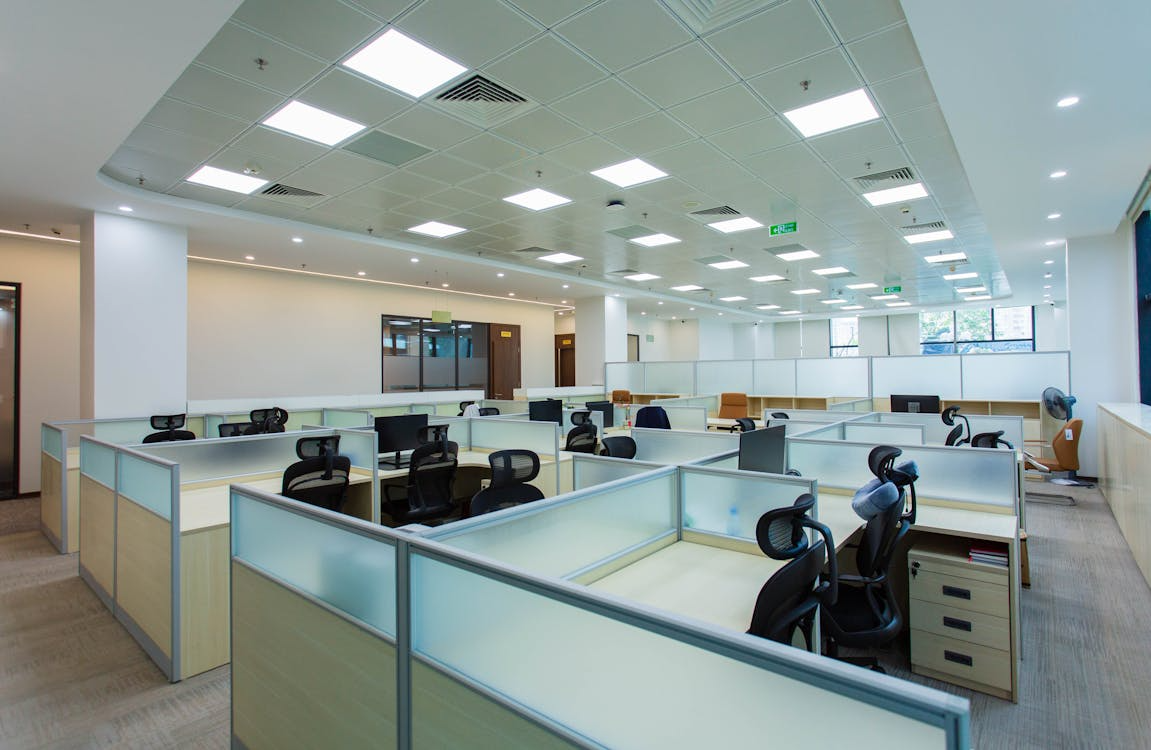
One of the key advantages of WPU-based acoustic panels is their adaptability in design. Unlike traditional materials, WPUs can be formulated to support a wide range of finishes and textures.
Designers can create panels that are:
- Textured or smooth, depending on aesthetic requirements
- Color-customizable, matching brand or interior design themes
- Compatible with textiles and composites, enabling layered acoustic solutions
This flexibility allows acoustic panels to seamlessly integrate into modern office environments while maintaining high performance.
Durability and Long-Term Performance
Workspaces require materials that can withstand daily wear and tear. WPU-based panels provide excellent durability, ensuring consistent acoustic performance over time.
Key durability benefits include:
- Resistance to scratches and impact, maintaining visual and functional integrity
- Moisture resistance, preventing degradation in varying indoor conditions
- Long-term stability, ensuring panels retain their acoustic properties
These characteristics reduce maintenance needs and extend the lifespan of acoustic installations.
Sustainability and Indoor Air Quality
Sustainability is a major consideration in modern building design. Waterborne polyurethane panels support eco-friendly construction by reducing reliance on solvent-based materials.
Their low volatile organic compound content contributes to improved indoor air quality, which is essential in enclosed workspaces. Additionally, WPU systems can be formulated using environmentally responsible processes, aligning with green building certifications and sustainability goals.
By combining performance with environmental compliance, WPU panels offer a balanced solution for modern office design.
Applications Across Workspaces
WPU-based acoustic panels are suitable for a wide range of workplace environments:
- Open-plan offices, reducing noise and improving focus
- Meeting rooms and conference areas, enhancing speech clarity
- Co-working spaces, supporting diverse work styles and activities
- Reception and common areas, improving overall acoustic comfort
Their adaptability allows businesses to create customized acoustic solutions tailored to specific workspace needs.
Future Trends in Acoustic Materials
The future of acoustic design is moving toward multifunctional materials that combine sound management with additional features. WPUs are at the forefront of this evolution, enabling:
- Smart acoustic panels, integrating sensors or responsive materials
- Lightweight modular systems, supporting flexible office layouts
- Recyclable and sustainable materials, reducing environmental impact
- Enhanced performance coatings, improving both acoustics and durability
As workplace design continues to evolve, WPU-based solutions will play a key role in shaping more comfortable and efficient environments.
Conclusion
Acoustic comfort is essential for productivity, well-being, and effective communication in modern workspaces. Waterborne polyurethane dispersions provide an innovative approach to acoustic panel design, combining sound absorption, durability, and sustainability.
By leveraging advanced WPU technologies, designers and businesses can create environments that are not only quieter but also more adaptable, visually appealing, and environmentally responsible. These materials represent the future of acoustic engineering in workplace design.
Redefine Acoustic Performance with Advanced WPU Solutions from SIWO US
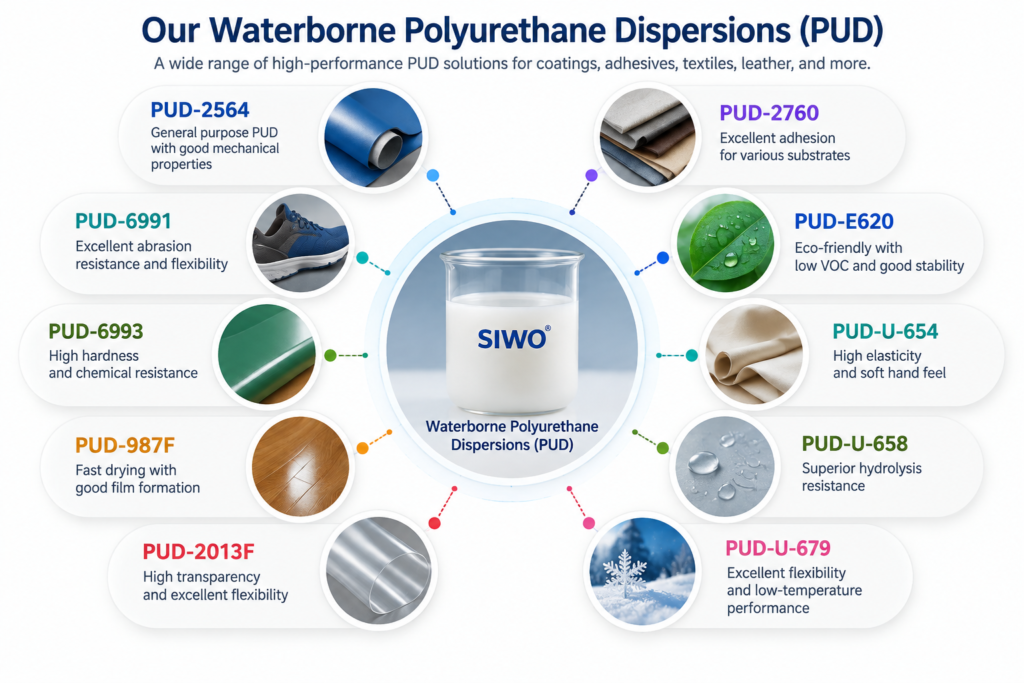
Work with SIWO US, a leading water based polyurethane manufacturer and polyurethane supplier offering water based PU dispersions, PUD resins, and industrial waterborne polyurethane coatings engineered for acoustic panels, interior systems, and high-performance workspace design. Contact us now to learn more about the benefits of WPUs.