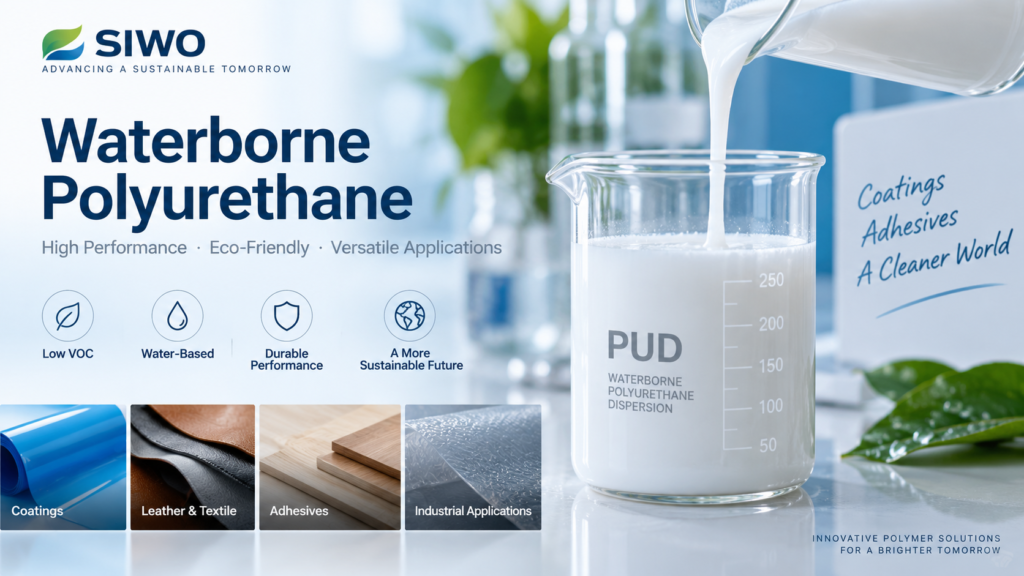
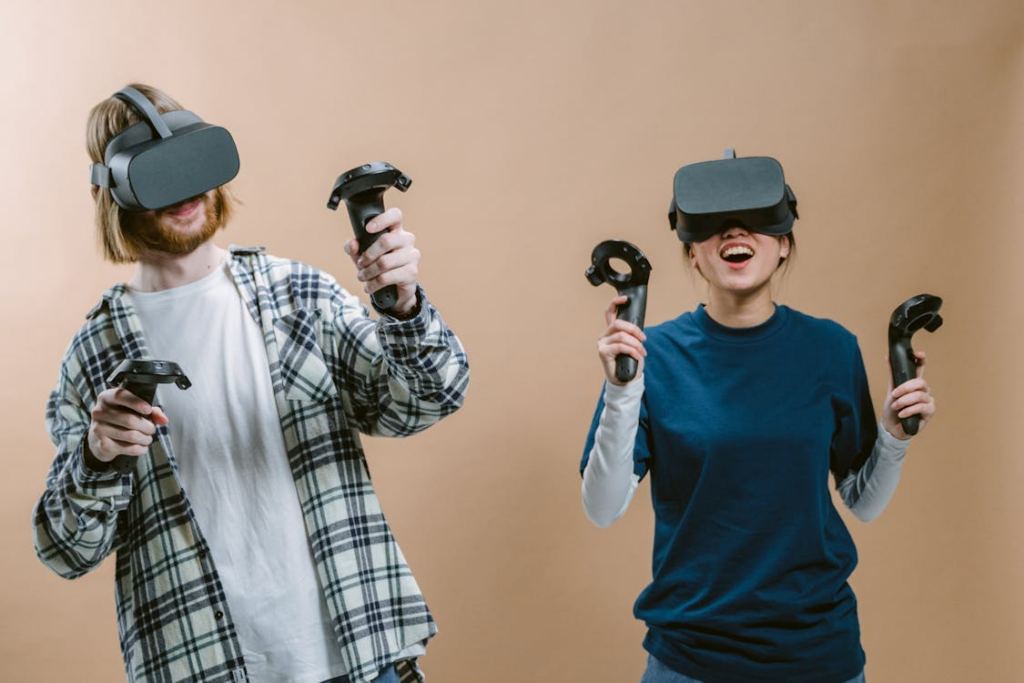
Haptic feedback has become a cornerstone in the development of immersive virtual reality (VR) experiences and next-generation robotics. Achieving realistic tactile sensations requires materials that are flexible, durable, and responsive. Advanced waterborne polyurethane dispersions and water based polymer systems are increasingly being used to enhance haptic engineering. These coatings and elastomers provide precise control over surface texture, elasticity, and response, allowing engineers to replicate the nuances of touch while maintaining safety, performance, and environmental compliance.
The Role of WPUs in Haptic Devices
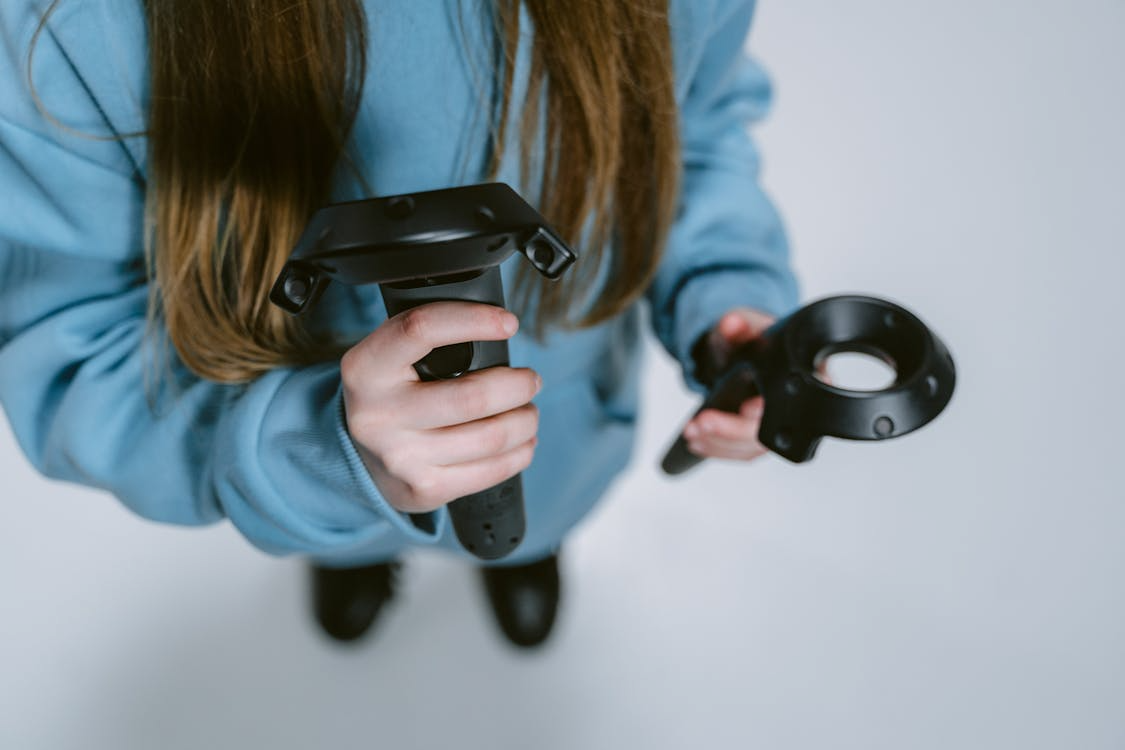
Haptic devices rely on materials that can transmit subtle mechanical forces to the user. Waterborne polyurethane (WPU) systems are particularly suitable due to their unique combination of flexibility, resilience, and tunable mechanical properties. Unlike traditional coatings or elastomers, WPUs can be engineered to:
- Adjust elasticity for precise force feedback
- Maintain performance under repeated compression or bending
- Offer non-toxic, low-VOC formulations suitable for close human contact
- Integrate with electronics and flexible substrates without compromising responsiveness
These characteristics make WPUs ideal for VR controllers, gloves, wearable robotics, and tactile interfaces used in surgical simulators, rehabilitation devices, and advanced robotic systems.
Advancing Virtual Reality Experiences
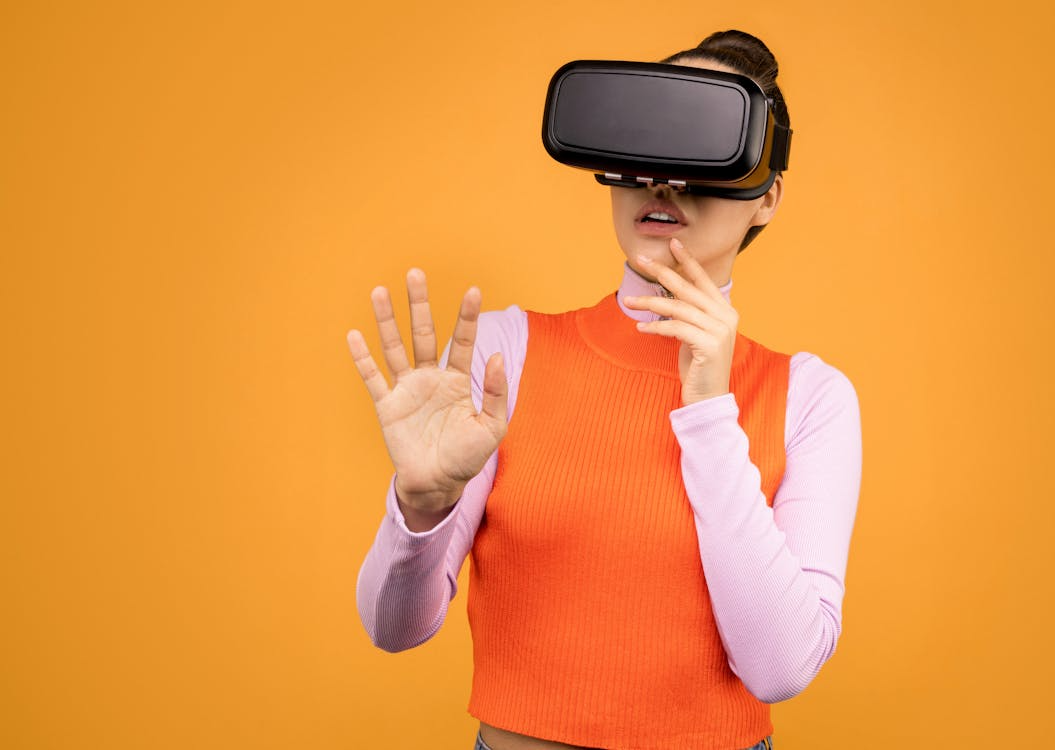
In VR applications, haptic feedback significantly enhances user immersion by replicating real-world sensations such as texture, vibration, and resistance. WPUs allow engineers to develop coatings and elastomers that simulate a wide range of tactile experiences, including:
- Surface textures, providing the feeling of smooth, rough, or patterned materials
- Vibrational feedback, replicating the subtle pulses of virtual interactions
- Pressure sensation, enabling users to perceive weight and force differences
- Adaptive responsiveness, adjusting stiffness or damping based on user interaction
Waterborne PU-based materials also contribute to safety and comfort, as they are lightweight, breathable, and chemically stable. Their environmental compliance adds an extra layer of advantage in consumer electronics and wearable devices.
Robotics and Industrial Applications
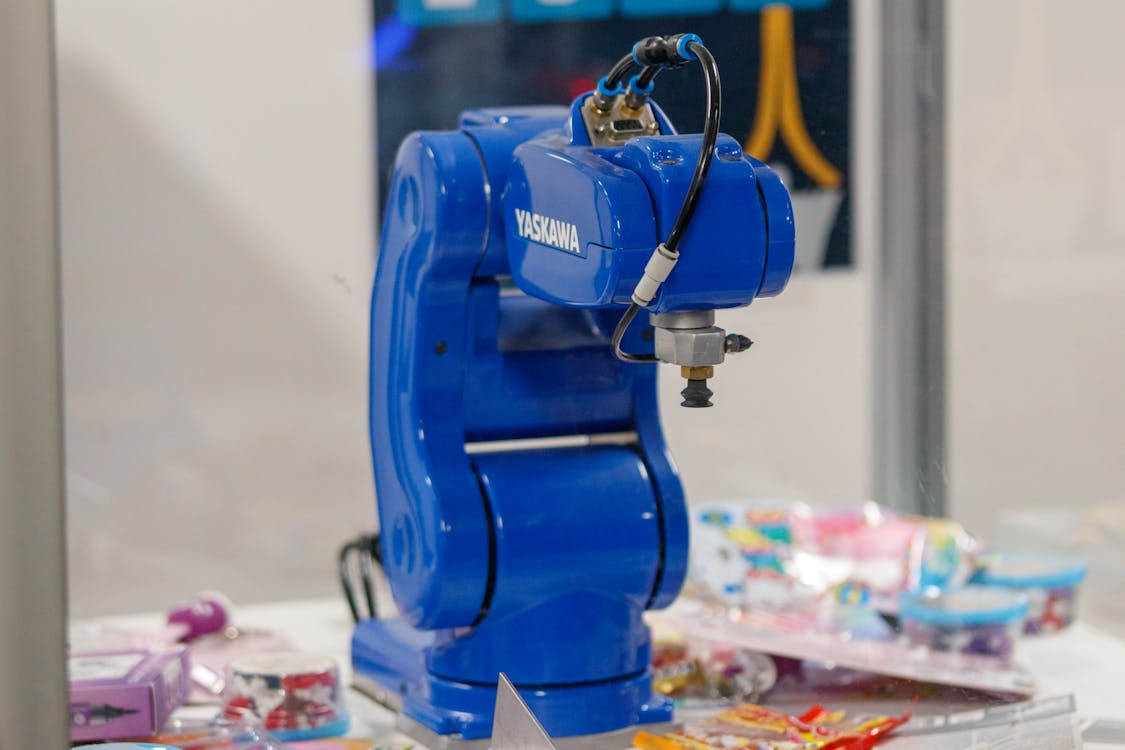
Beyond VR, WPUs are transforming haptic capabilities in robotics. Robotic grippers, prosthetic limbs, and tactile sensors require coatings and elastomers that can endure repeated use while providing accurate force feedback. Key benefits include:
- Durable surface protection, preventing wear and tear in industrial environments
- Flexible material interfaces, allowing robots to manipulate delicate or irregular objects
- Consistent mechanical response, essential for precision tasks such as assembly or surgical operations
- Integration with soft robotics, enabling lifelike movement and touch perception
These materials help engineers design systems that are both highly functional and user-friendly, bridging the gap between human perception and robotic control.
Material Design and Customization
WPUs offer tunable mechanical and chemical properties, allowing developers to customize coatings and elastomers for specific haptic applications. By varying polymer chain length, crosslink density, or additives, engineers can control:
- Hardness and elasticity
- Surface friction and grip
- Vibration damping
- Thermal and moisture response
This level of control ensures that each haptic device delivers a consistent and immersive experience while remaining durable under extensive usage.
Sustainability and Environmental Advantages
Waterborne polyurethane systems provide significant environmental benefits compared to solvent-based alternatives. Low volatile organic compound (VOC) content improves indoor air quality and reduces environmental emissions. Furthermore, WPUs can be formulated with bio-based content, supporting circular product design and reducing reliance on fossil-derived polymers.
Sustainable coatings are increasingly important in VR and robotics, where repeated prototyping, short product cycles, and consumer interaction demand materials that are both high-performing and eco-friendly.
Future Directions in Haptic Engineering
The future of haptic devices and robotics will rely heavily on advanced polymer technologies. WPUs are expected to play a major role in:
- Soft robotics, enhancing lifelike movement and tactile response
- Wearable haptics, enabling VR and AR experiences that more closely mimic reality
- Smart coatings, incorporating stimuli-responsive features for adaptive touch sensations
- Recyclable and bio-based formulations, improving sustainability in consumer electronics and industrial robotics
As research progresses, WPUs will allow developers to create next-generation haptic interfaces that are more realistic, durable, and environmentally responsible.
Conclusion
The integration of waterborne polyurethane dispersions into haptic engineering is transforming how touch is simulated in VR and robotics. By combining flexibility, durability, and environmental compliance, WPUs enable devices that deliver immersive, realistic tactile experiences while supporting long-term sustainability. From VR gloves to industrial robotic systems, these materials are becoming essential in bridging the gap between human perception and mechanical performance.
Experience Next-Level Haptics with SIWO US WPUs
Explore SIWO US’s advanced waterborne polyurethane dispersions and high-performance waterborne polyurethane coatings designed to enhance tactile interfaces, improve device durability, and support innovative VR and robotics applications. Reach out now to access our high-quality polyurethane formulations.