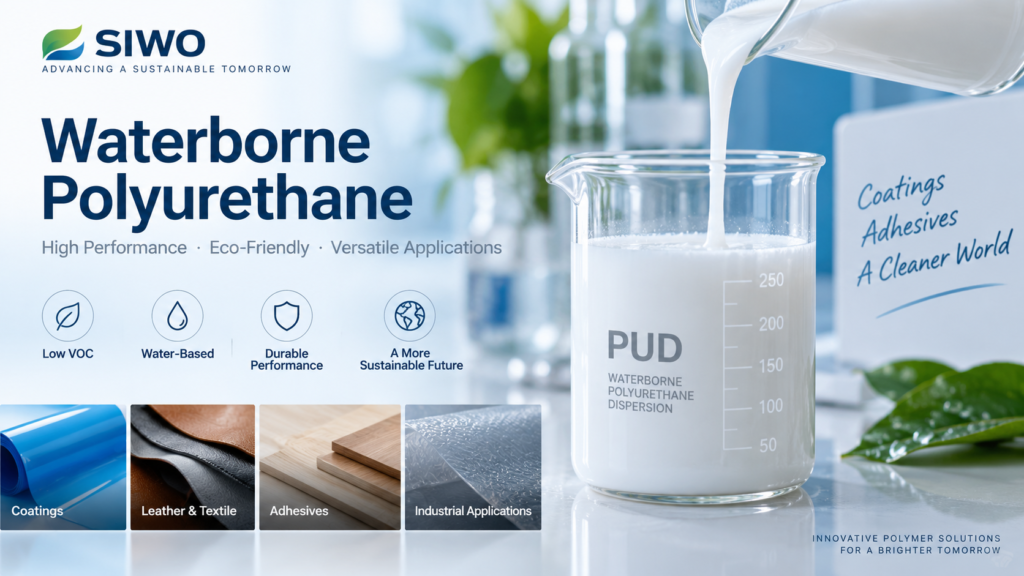
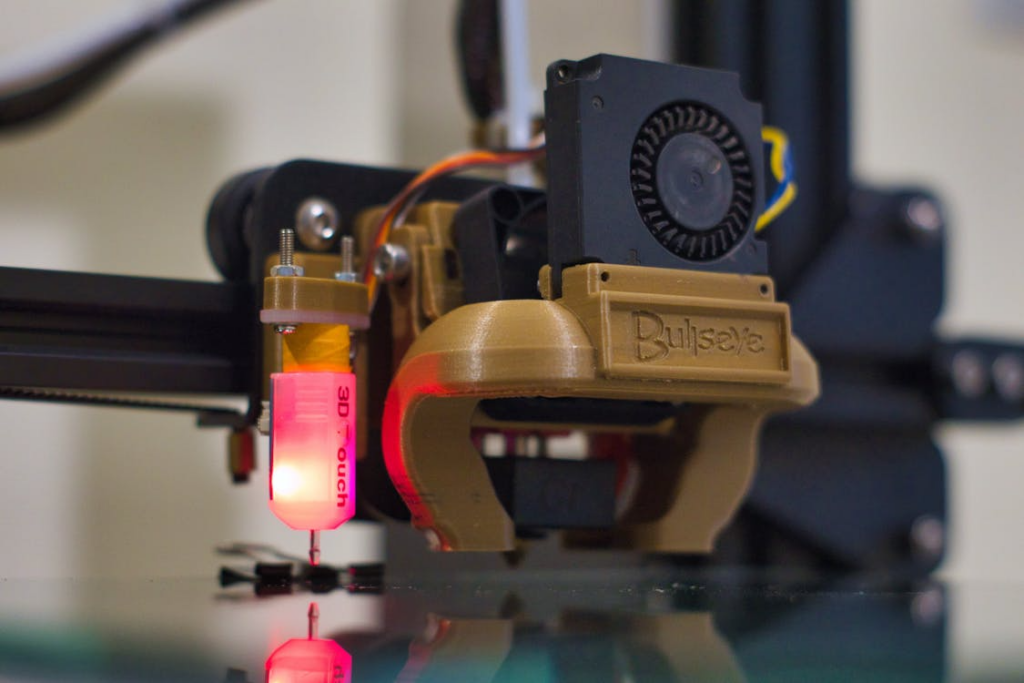
Additive manufacturing is rapidly evolving beyond rigid plastics and prototyping into functional, high-performance applications. As industries demand flexibility, durability, and material efficiency, advanced waterborne polyurethane dispersions and PUD resins are emerging as critical enablers in 3D printing. These materials allow engineers to produce multi-material components and elastic parts with precision, opening new possibilities in manufacturing, healthcare, and product design.
The Shift Toward Functional 3D Printing
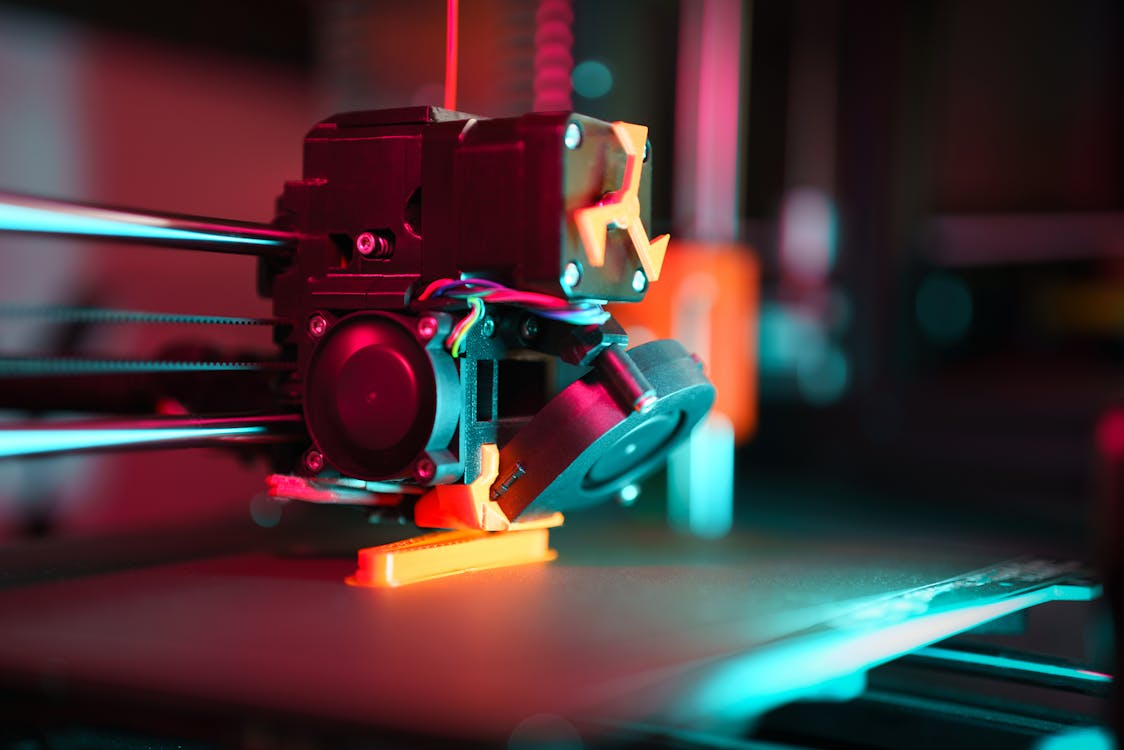
Early 3D printing technologies focused primarily on rigid thermoplastics for rapid prototyping. Today, the focus has shifted toward producing end-use parts with complex geometries and tailored mechanical properties.
This transition requires materials that can deliver flexibility, resilience, and compatibility with multiple substrates. WPUs meet these requirements by offering tunable mechanical properties and compatibility with various additive manufacturing techniques, including extrusion-based and advanced deposition systems.
WPUs in Multi-Material Printing
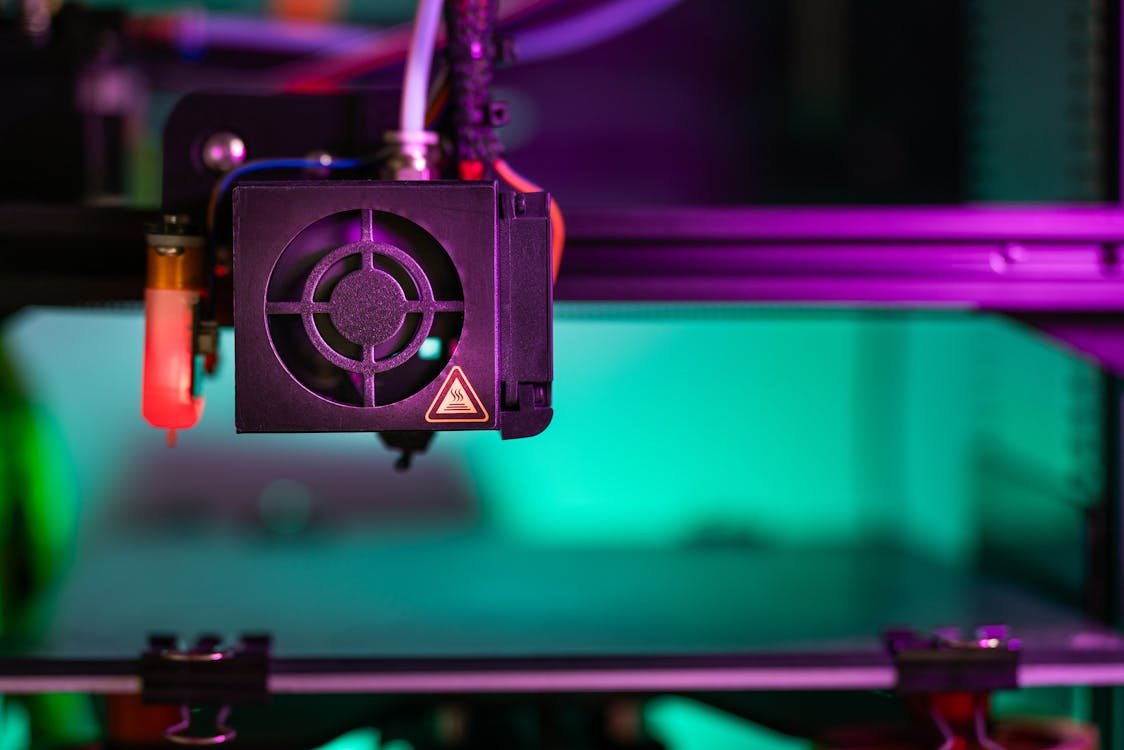
Multi-material 3D printing allows the integration of different functional properties within a single component. WPUs play a vital role in this process by enabling seamless transitions between rigid and flexible regions.
Key advantages include:
- Material compatibility, allowing bonding with plastics, composites, and textiles
- Controlled elasticity, enabling gradients in flexibilityacross printed structures
- Adhesion performance, ensuring strong interlayer bonding in multi-material builds
- Process adaptability, supporting diverse printing methods and equipment
These capabilities enable the creation of components with integrated flexibility, such as hinges, seals, and shock-absorbing structures.
Elastic and Flexible Part Manufacturing
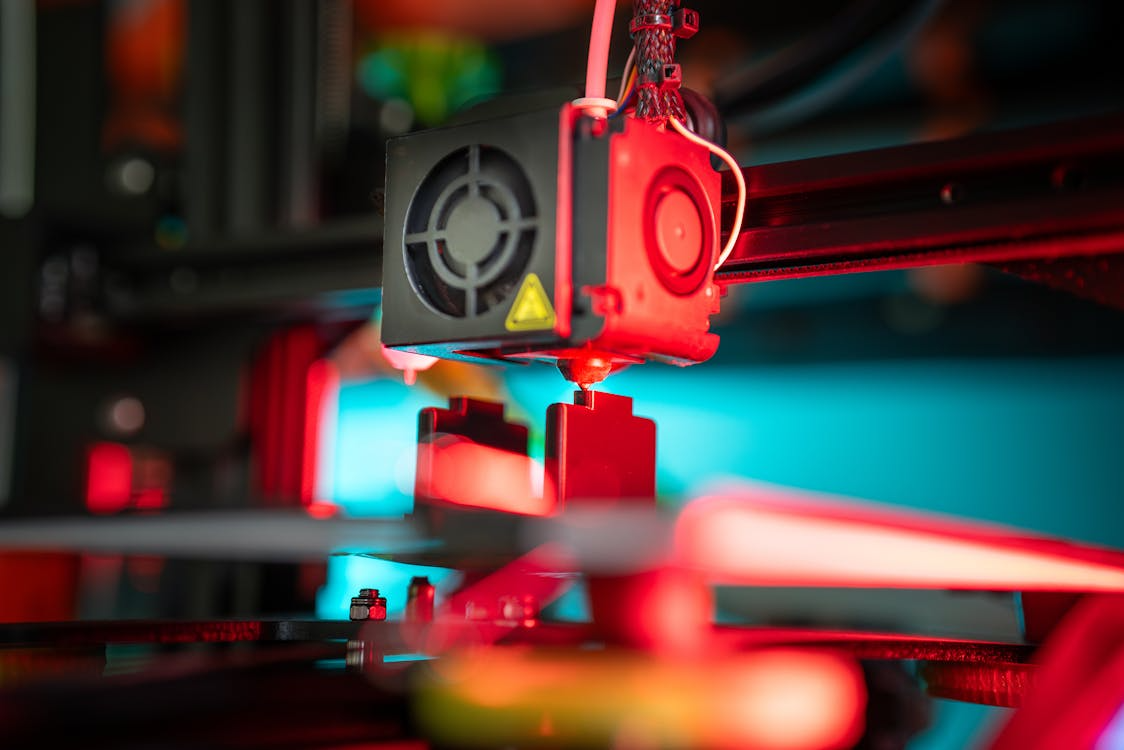
Elastic components are essential in industries ranging from healthcare to consumer products. WPUs provide the flexibility and resilience needed to produce parts that can withstand repeated deformation without failure.
Applications include:
- Wearable devices, requiring soft, skin-friendly materials
- Medical components, such as flexible supports and prosthetics
- Seals and gaskets, ensuring durability under compression
- Consumer goods, including grips, cushions, and protective elements
The ability to print elastic parts with consistent performance enhances both product functionality and user experience.
Material Engineering and Customization
One of the key strengths of WPUs in additive manufacturing is their tunability. By adjusting polymer composition, crosslinking density, and additives, manufacturers can tailor properties such as:
- Hardness and elasticity
- Tensile strength and elongation
- Surface finish and texture
- Chemical and environmental resistance
This level of customization allows engineers to design parts that meet specific performance requirements while maintaining printability and structural integrity.
Sustainability and Process Efficiency
Waterborne polyurethane systems offer environmental advantages compared to solvent-based materials. Their low volatile organic compound content supports safer manufacturing processes and reduces environmental impact.
In addition, 3D printing itself minimizes material waste by building components layer by layer. When combined with WPUs, this approach supports sustainable production practices, particularly in industries seeking to reduce their carbon footprint and improve resource efficiency.
WPUs can also be formulated for recyclability or compatibility with circular manufacturing systems, further enhancing their sustainability profile.
Industrial and Emerging Applications
The integration of WPUs into 3D printing is enabling innovation across multiple sectors:
- Automotive and aerospace, for lightweight, flexible components
- Healthcare, for patient-specific devices and soft prosthetics
- Consumer electronics, for protective and ergonomic designs
- Industrial manufacturing, for customized tooling and functional parts
These applications demonstrate the versatility of WPUs in meeting the demands of modern production environments.
Future Outlook for WPU-Based 3D Printing
As additive manufacturing technologies continue to advance, WPUs are expected to play a larger role in enabling multifunctional and high-performance components. Research is focused on improving print resolution, enhancing material compatibility, and developing smart WPUs with responsive properties.
Emerging innovations include self-healing materials, conductive coatings, and bio-based polyurethane systems that align with sustainability goals. These advancements will further expand the capabilities of 3D printing and support the development of next-generation products.
Conclusion
Waterborne polyurethane dispersions are transforming advanced 3D printing by enabling multi-material integration and elastic part production. Their flexibility, durability, and environmental benefits make them an ideal choice for modern additive manufacturing applications.
As industries continue to demand more complex, high-performance components, WPUs will remain at the forefront of material innovation, helping engineers unlock new possibilities in design, functionality, and sustainability.
Drive Innovation in Additive Manufacturing with SIWO US
Collaborate with SIWO US, a reputable and renowned waterborne Polyurethane supplier offering advanced waterborne polyurethane dispersions and polyurethanes for adhesives tailored for flexible, multi-material, and high-performance 3D printing applications. Contact us now to learn more about our offerings.