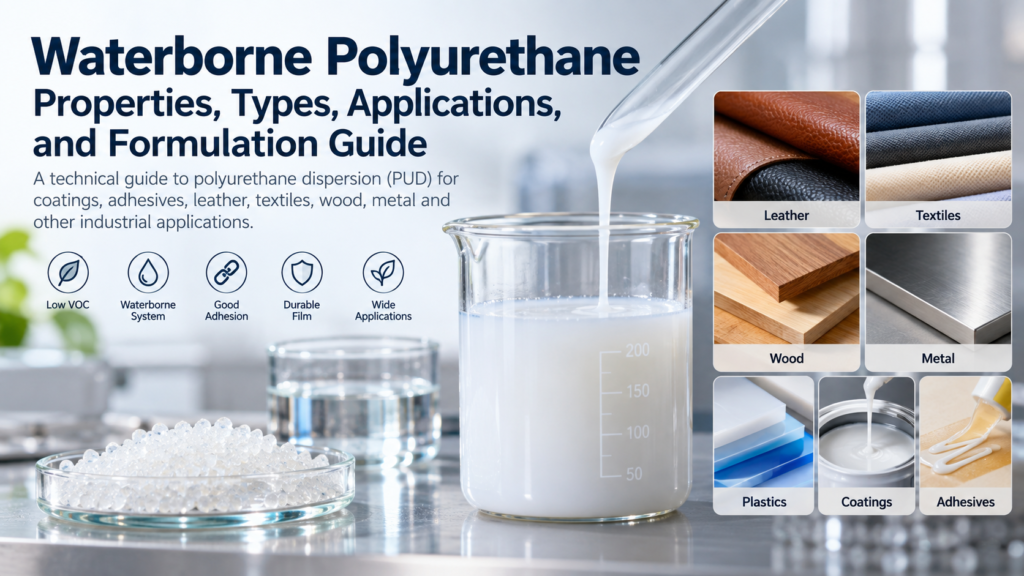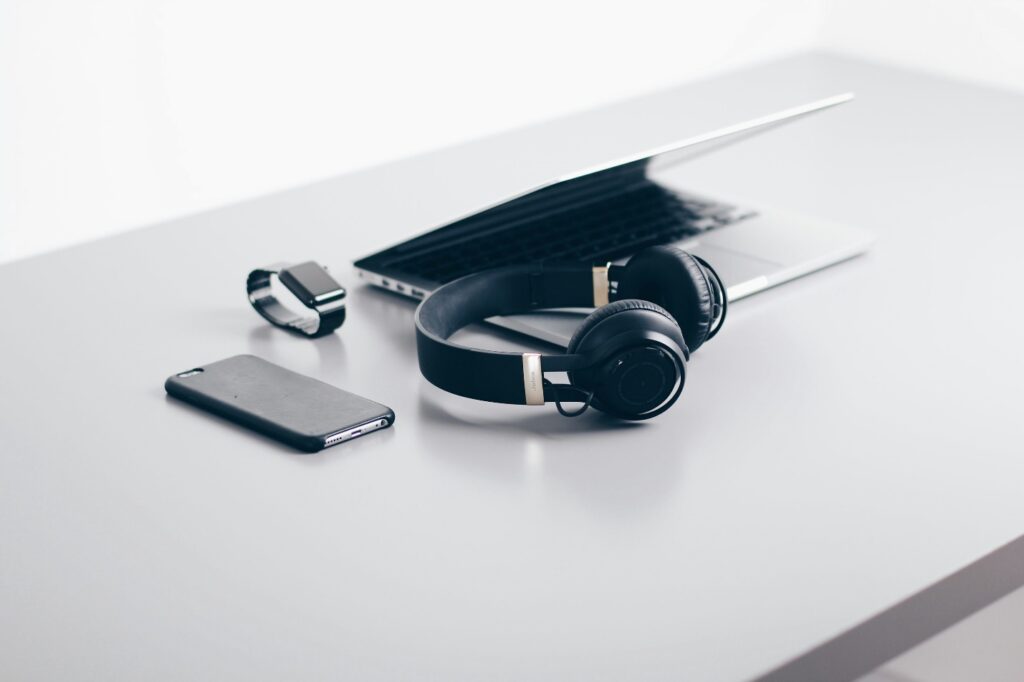

The electronics industry is undergoing a fundamental shift toward circularity, driven by regulatory pressure, resource constraints, and evolving sustainability goals. Manufacturers are rethinking materials to enable recyclability, reduce waste, and extend product lifecycles. In this context, advanced waterborne polyurethane dispersions, water based polymer systems, and water based PU coatings are emerging as key enablers of circular electronics. These materials provide high-performance protection for devices while supporting disassembly, recyclability, and environmentally responsible manufacturing.
The Push Toward Circular Electronics
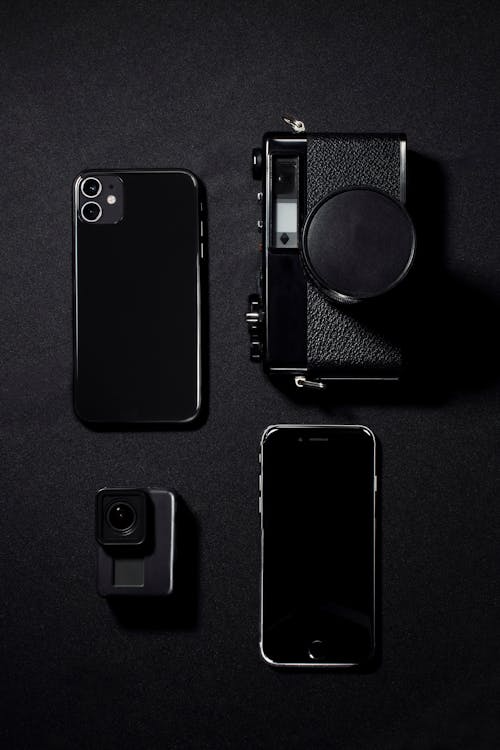
Circular electronics focuses on designing products that can be reused, repaired, and recycled efficiently. Traditional coatings and adhesives often hinder this process by creating permanent bonds or introducing contaminants that complicate material recovery.
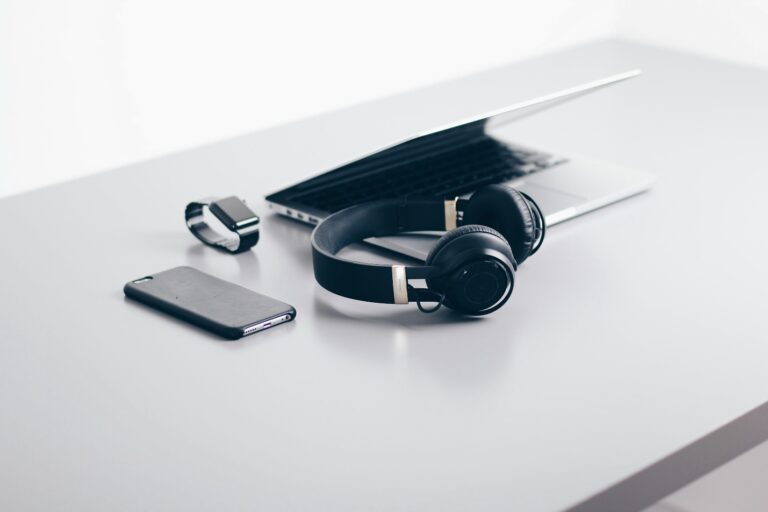
Device manufacturers now require coating systems that balance durability with reversibility and compatibility with recycling processes. This shift is particularly relevant for smartphones, laptops, wearables, and consumer electronics where rapid product turnover contributes significantly to global e-waste.
Role of WPUs in Recyclable Coatings
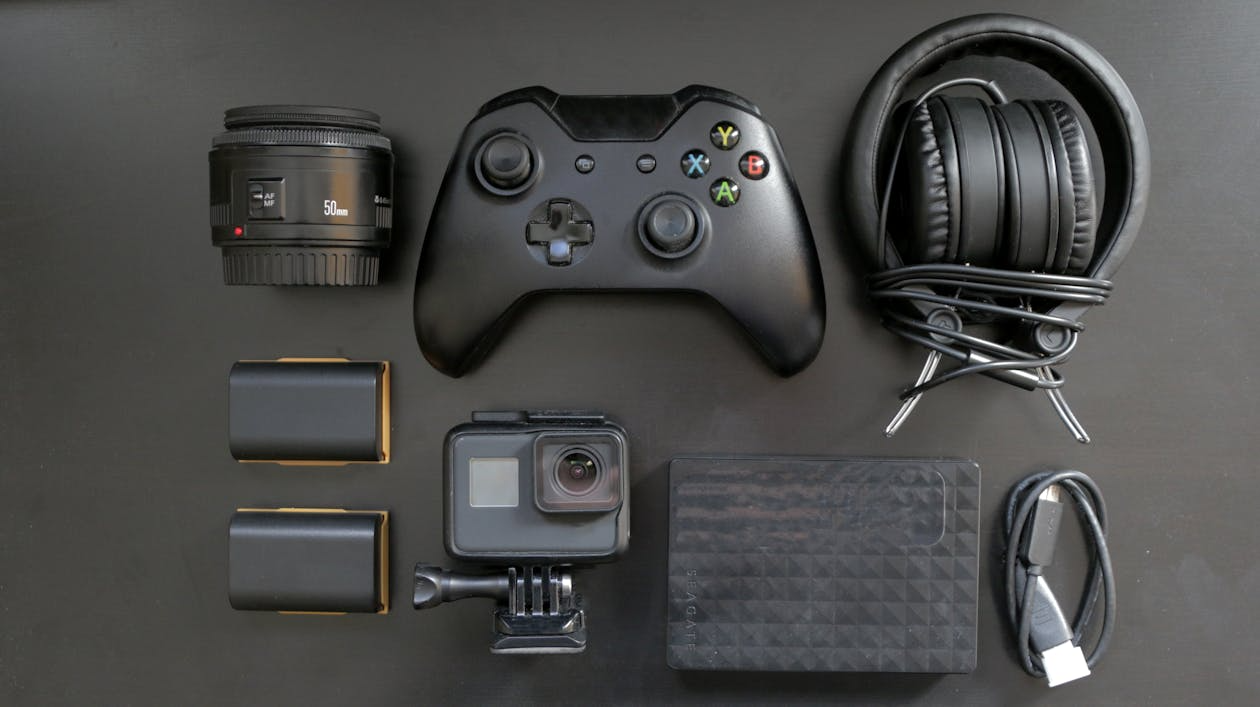
Waterborne polyurethanes offer a unique combination of performance and process flexibility that aligns with circular design principles. Unlike solvent-based systems, WPUs can be engineered for easier removal, lower environmental impact, and compatibility with recycling streams.
Key contributions include:
- Low-VOC formulations, reducing environmental impact during production and application
- Controlled adhesion, allowing coatings to be removed or separated during recycling
- Compatibility with diverse substrates, including plastics, metals, and composites commonly used in electronics
- Non-toxic composition, minimizing contamination of recycled materials
These properties make WPUs ideal for protective coatings on casings, connectors, and internal components.
Enhancing Device Durability Without Compromising Recyclability
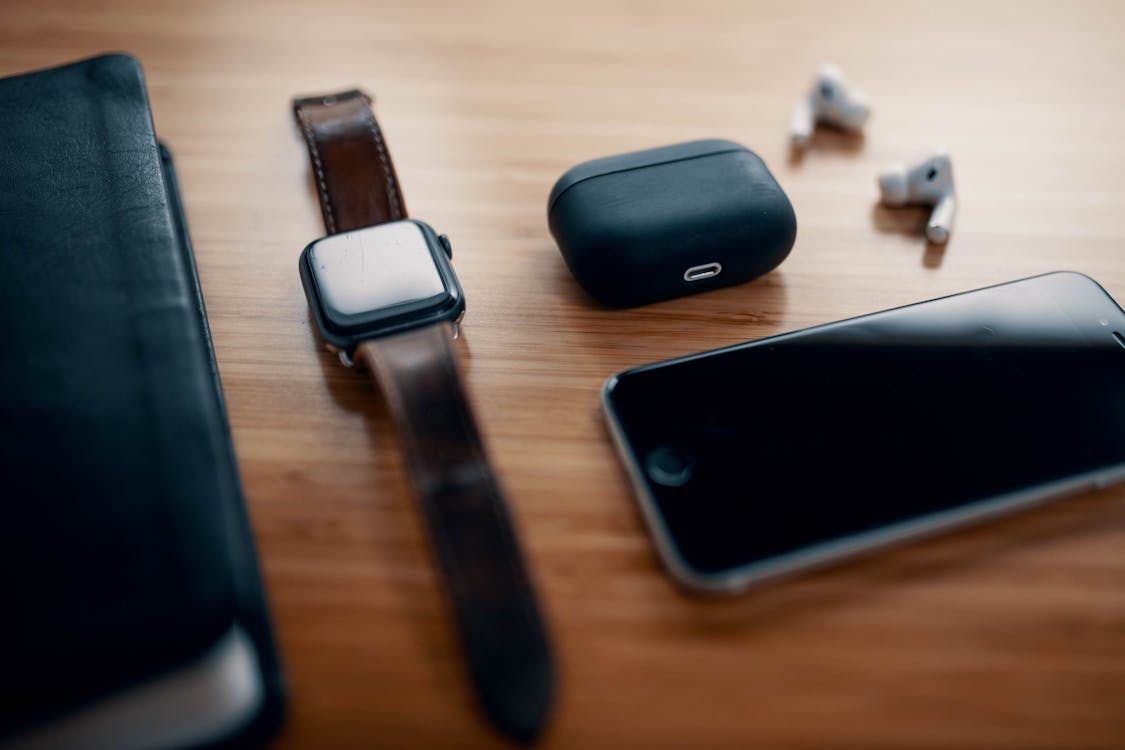
One of the main challenges in circular electronics is maintaining product durability while enabling end-of-life recovery. WPUs address this by providing robust protection against wear, moisture, and chemical exposure, ensuring devices remain functional over extended periods.
At the same time, advanced formulations can be designed to degrade under specific conditions or allow mechanical separation, supporting efficient recycling. This balance between durability and removability is critical for achieving circularity without sacrificing product quality.
Applications Across Consumer Electronics
WPUs are increasingly being used in a range of electronic applications:
- Device housings and casings: Scratch-resistant coatings that maintain aesthetics while allowing material recovery
- Flexible electronics and wearables: Lightweight coatings that support bending and stretching without cracking
- Circuit protection layers: Moisture-resistant coatings that safeguard sensitive components
- Connector and cable coatings: Durable yet flexible materials that improve longevity and recyclability
These applications demonstrate how WPUs contribute to both product performance and sustainability goals.
Manufacturing and Regulatory Advantages
Waterborne polyurethane coatings support cleaner manufacturing processes by reducing reliance on hazardous solvents. This improves workplace safety and helps manufacturers comply with global environmental regulations such as RoHS and REACH.
Additionally, WPUs can be integrated into existing production lines with minimal modification, making them a practical solution for electronics manufacturers transitioning toward circular models. Their compatibility with automated coating processes further enhances efficiency and scalability.
Supporting Closed-Loop Systems
Circular electronics relies on closed-loop systems where materials are recovered and reused. WPUs contribute to this ecosystem by enabling cleaner separation of materials and reducing contamination during recycling.
Innovations such as debondable coatings and selective adhesion technologies are further enhancing the role of WPUs in circular systems. These advancements allow manufacturers to design products with end-of-life recovery in mind, improving material efficiency and reducing environmental impact.
Outlook for Circular Electronics Materials
The integration of WPUs into circular electronics is expected to accelerate as sustainability becomes a core industry requirement. Research is focused on improving recyclability, enhancing bio-based content, and developing coatings that actively support disassembly and material recovery across diverse device architectures.
The Next Phase of Sustainable Device Design
As the electronics industry continues to evolve, waterborne polyurethane dispersions will play a critical role in enabling sustainable product design. Their ability to combine performance, environmental compliance, and recyclability positions them as a foundational material for the next generation of electronic devices and smart systems.
Enable Circular Electronics with Advanced WPU Coatings from SIWO US
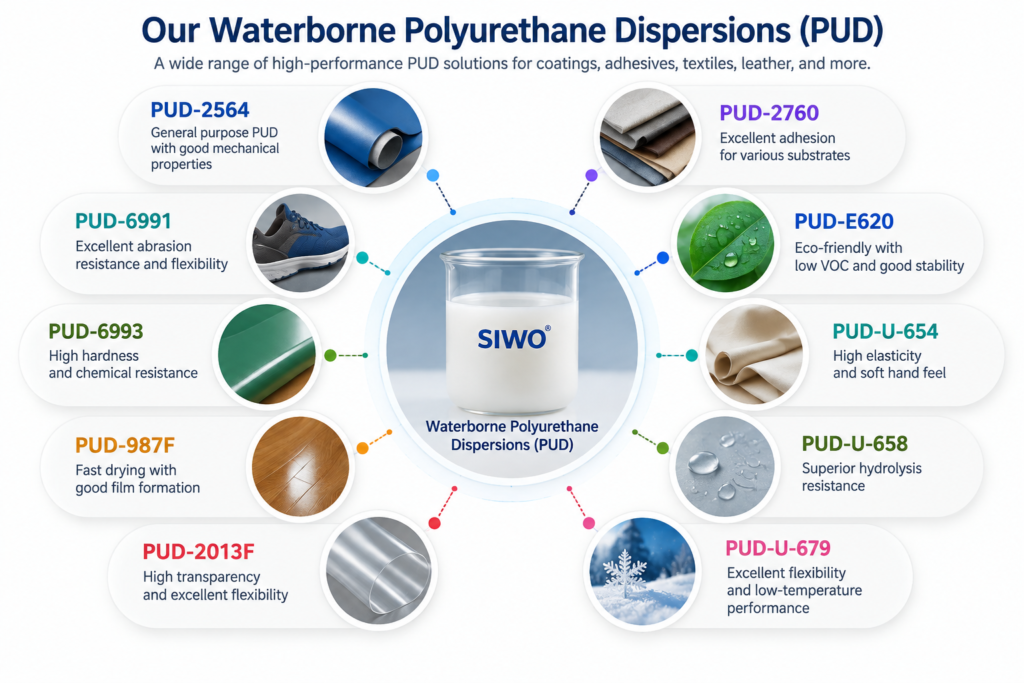
SIWO US is a leading waterborne polyurethane supplier offering waterborne polyurethane dispersions and sustainable coating solutions designed for recyclable electronics and next-generation device manufacturing. Contact now to take the first step towards eco-friendly electronics.