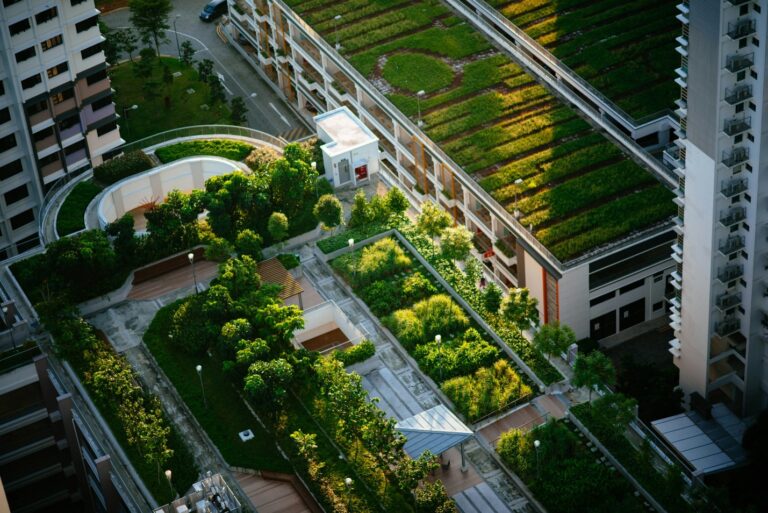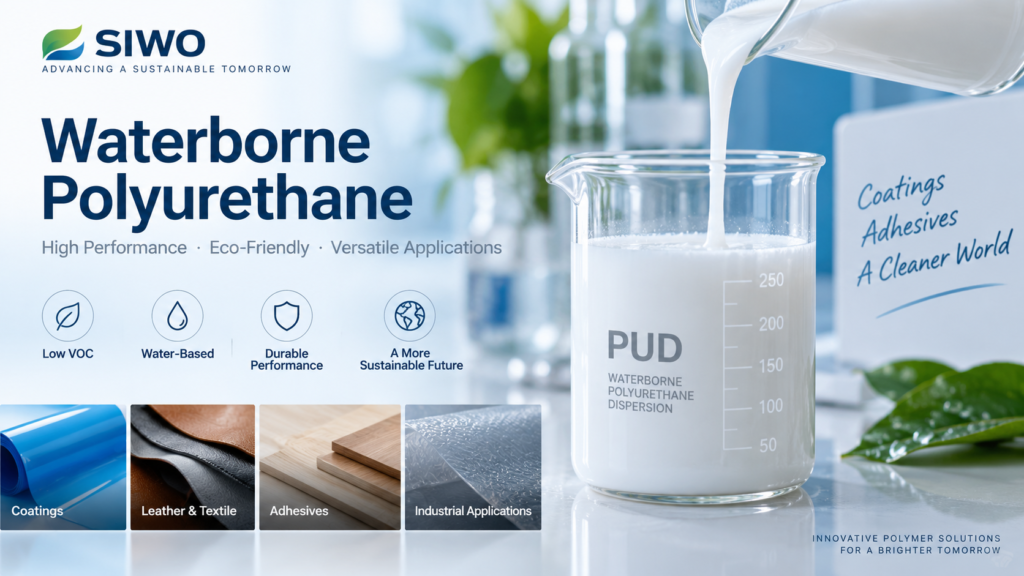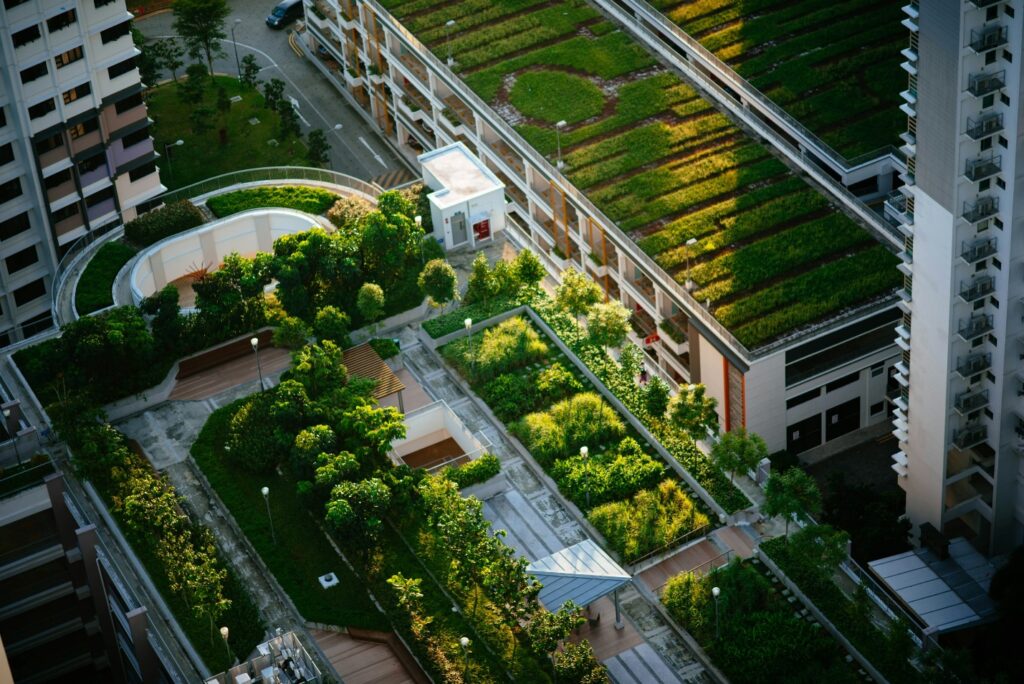
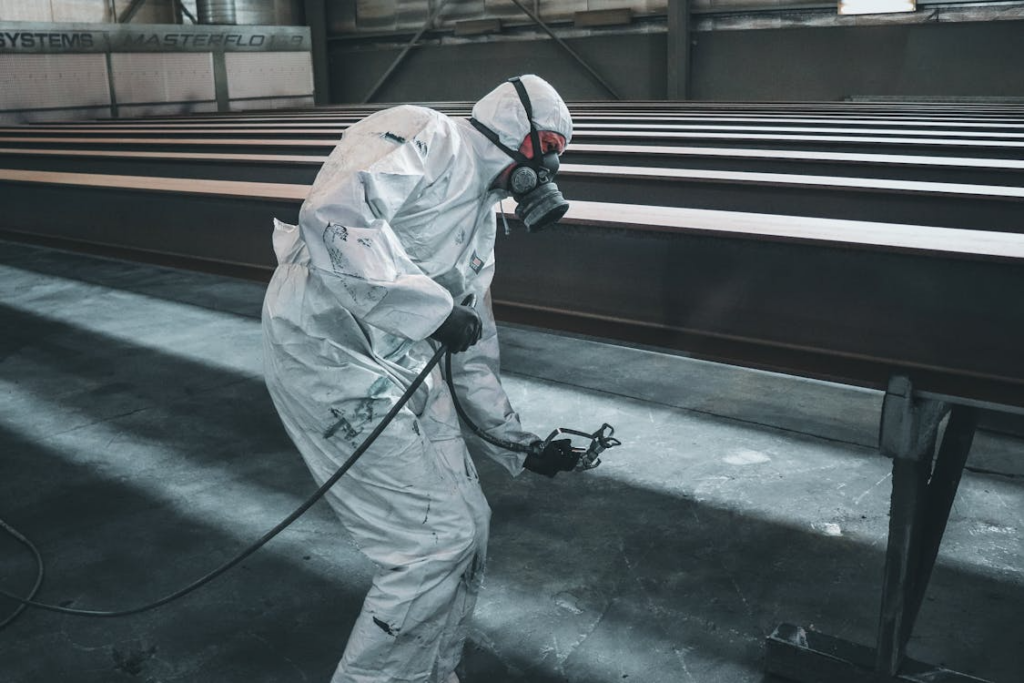
Rapid urbanization has intensified exposure to pollutants that degrade infrastructure, reduce surface longevity, and increase maintenance costs. From particulate matter to chemical contaminants, city environments demand advanced protective materials. A modern waterborne polyurethanes manufacturer is addressing these challenges with high-performance coating systems designed to withstand harsh urban conditions. By combining durability with environmental compliance, waterborne polyurethanes are emerging as a preferred solution for protecting surfaces across dense metropolitan landscapes.
The Impact of Urban Pollution on Surfaces
Urban environments expose buildings, transportation systems, and public infrastructure to a wide range of pollutants. Airborne particles, acid rain, industrial emissions, and UV radiation all contribute to surface degradation. Over time, these factors can cause discoloration, corrosion, cracking, and structural weakening.
Traditional solvent-based coatings often struggle to provide long-term resistance while meeting environmental regulations. This has accelerated the adoption of waterborne polyurethane coating technologies that offer both protection and sustainability.
How WPUs Enhance Surface Protection
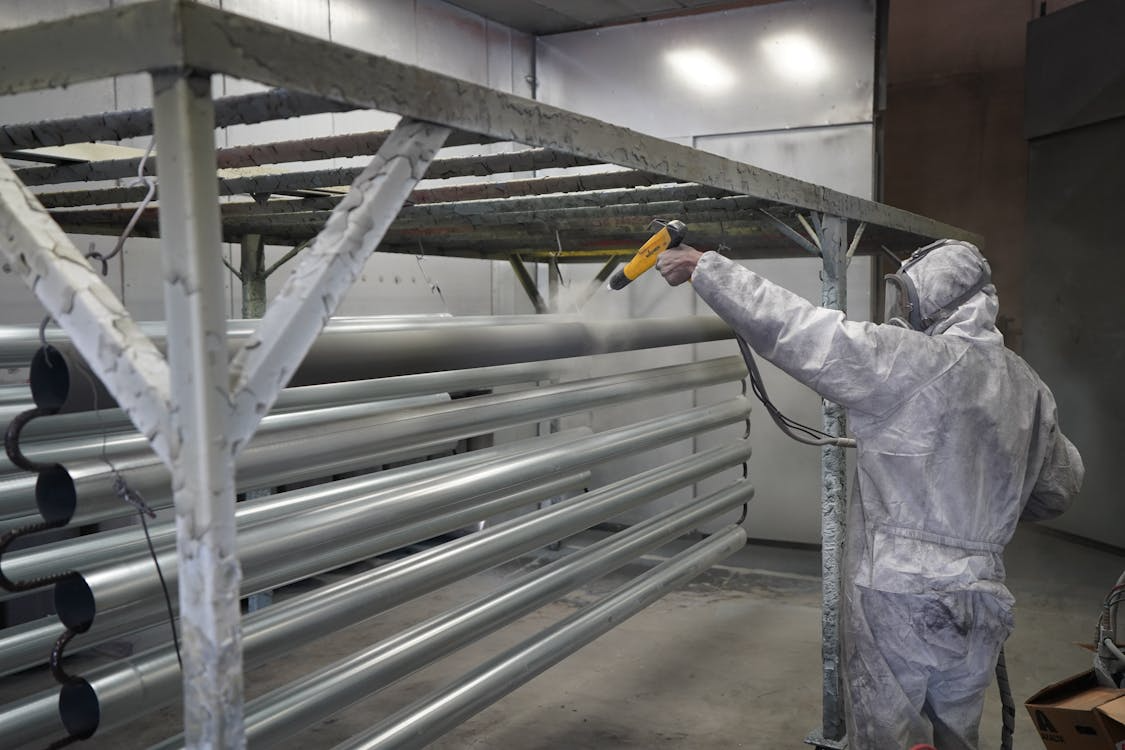
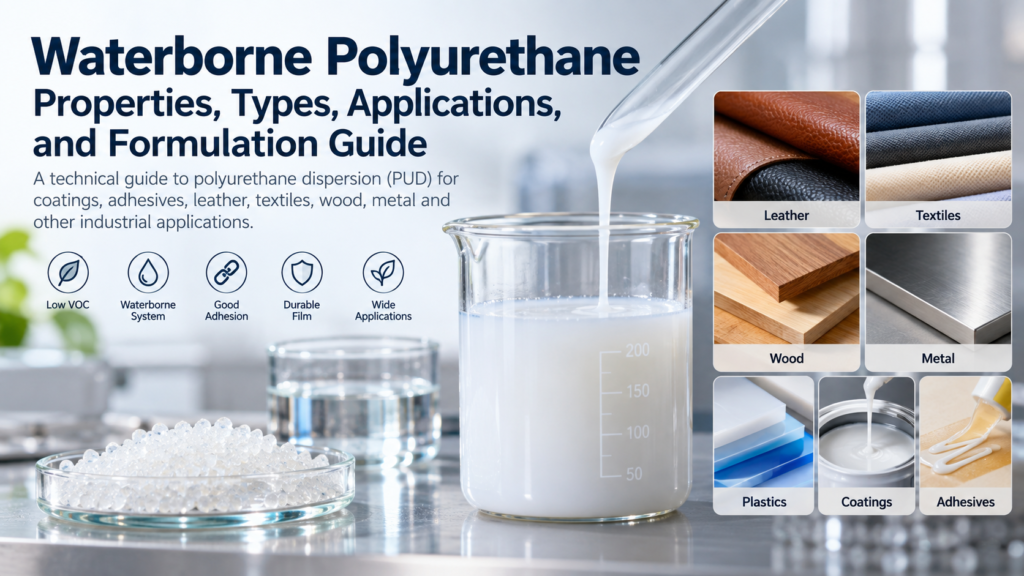
Waterborne polyurethane systems form durable, flexible films that act as a barrier against environmental stressors. Their molecular structure allows for strong adhesion to substrates such as concrete, metal, and plastic, ensuring consistent performance across various applications.
Key protective benefits include:
- Resistance to pollutants and chemicals, reducing surface damage from industrial and urban contaminants
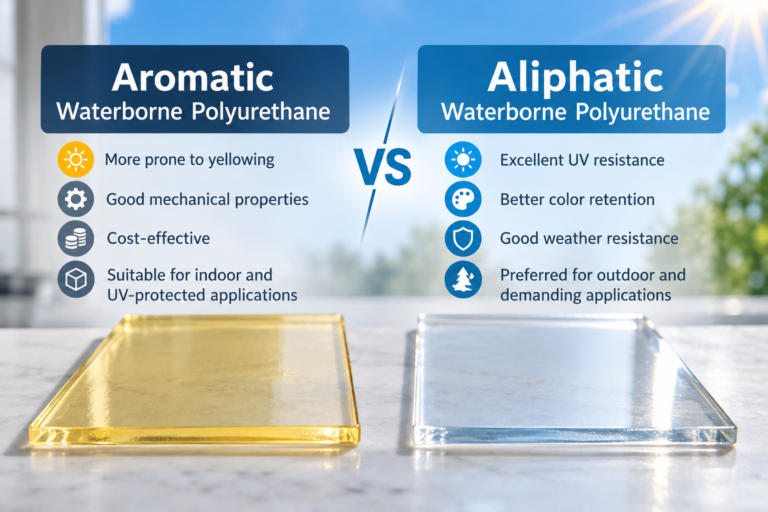
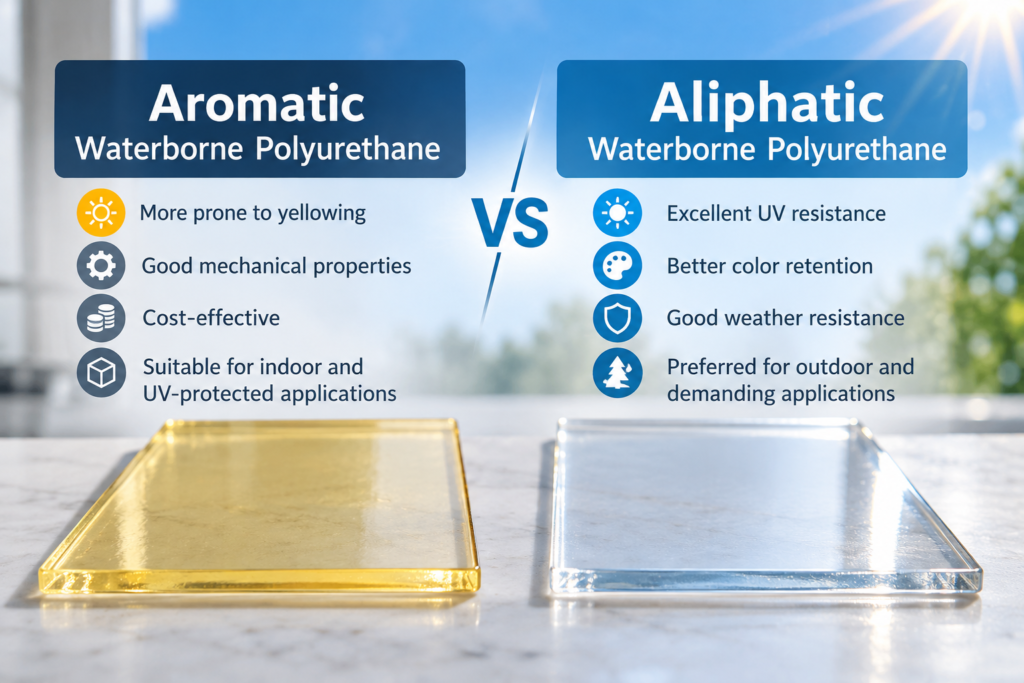
- UV stability, preventing discoloration and material breakdown
- Moisture resistance, minimizing water ingress and corrosion risks
- Flexibility and crack-bridging properties, which help surfaces withstand thermal expansion and mechanical stress
These characteristics make WPUs highly effective in extending the service life of urban infrastructure.
Applications Across Urban Environments
WPUs are widely used in applications where durability and environmental performance are critical. In architectural coatings, they help maintain building facades exposed to pollution and weather extremes. Transportation infrastructure such as bridges, tunnels, and rail systems also benefits from their protective properties.
In addition, industrial waterborne polyurethane coatings are increasingly applied to public spaces, including walkways, signage, and outdoor equipment. Their ability to resist wear and contamination ensures long-term aesthetic and functional performance in high-traffic areas.
Sustainability and Regulatory Advantages
Sustainability is a core consideration in modern urban planning. Waterborne polyurethane systems significantly reduce volatile organic compound emissions compared to traditional coatings, improving air quality and workplace safety.
These systems also align with global environmental regulations, making them suitable for projects that require green building certifications. Their compatibility with eco-friendly substrates and processes further enhances their appeal for sustainable infrastructure development.
Future Outlook
As cities continue to grow, the demand for resilient materials will increase. Ongoing innovation in water based PU formulations is focused on enhancing self-cleaning properties, improving resistance to emerging pollutants, and reducing lifecycle costs.
Smart coatings that integrate pollution-neutralizing technologies are also on the horizon, offering the potential to actively improve urban air quality while protecting surfaces. This evolution positions WPUs as a critical component in the development of cleaner, more resilient cities.
Build More Resilient Cities with Advanced Coatings from SIWO US
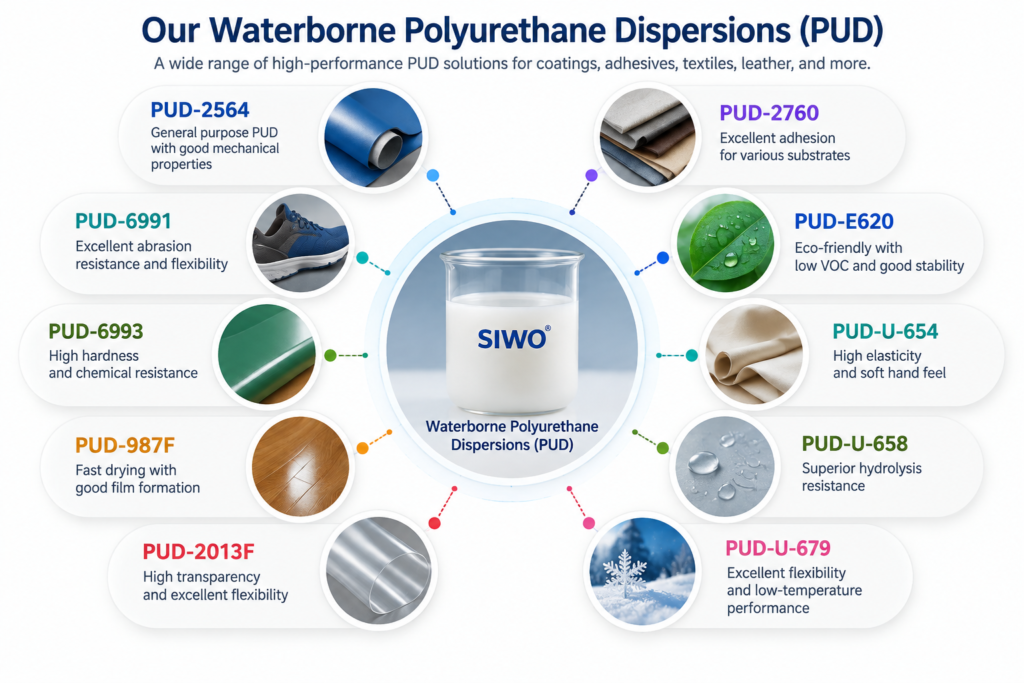
Work with SIWO US to deploy advanced waterborne polyurethanes, durable waterborne polyurethane coatings, and specialized water based PU solutions designed to resist pollution, extend surface life, and reduce maintenance in demanding urban environments. Contact us now for a consultation