Meta Title: WPU Textile Applications for Durable and High-Performance Fabrics
Meta Description: Discover how WPU textile applications improve flexibility, waterproofing, durability, and performance in modern fabrics through advanced waterborne polyurethane technologies.
Focus Keyword: WPU textile applications
Secondary Keywords: water-based PU for textile, waterborne polyurethane textile, water-based polyurethane, waterborne polyurethane coating
Textile Innovation: WPUs in Functional and Performance Fabrics
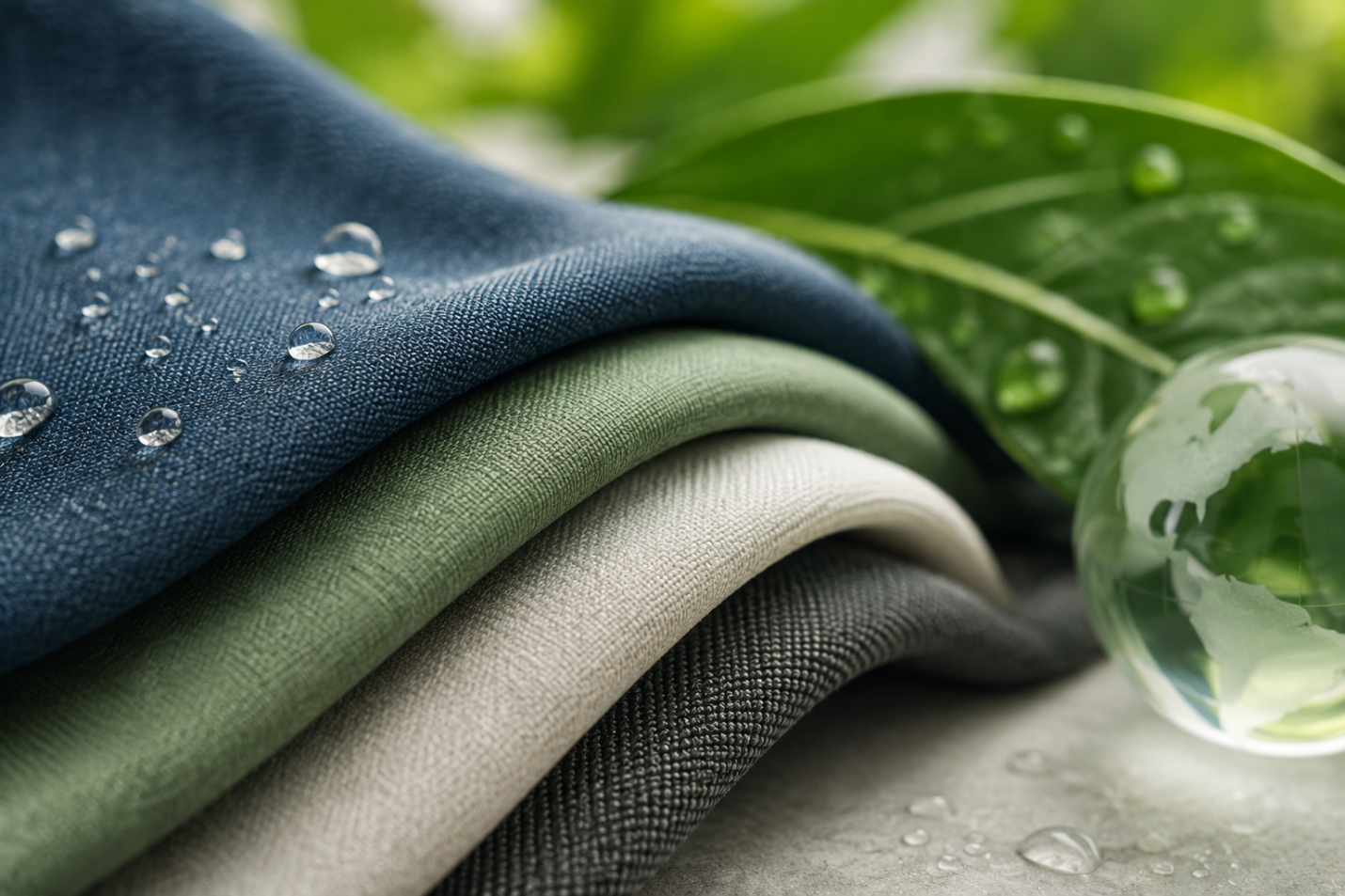
Image Title: WPU Textile Applications
Image Description: Advanced textile materials enhanced with WPU technologies
Alt Text: Waterborne polyurethane coating
Image URL: [AI-generated image]
Modern textiles are expected to do more than look good. Many fabrics today need to resist water, remain flexible, last longer, and perform well under daily use.
This is why WPU textile applications are becoming more important across the textile industry. From sportswear to furniture fabrics, WPU technologies help improve comfort, durability, and protection.
Why Functional Textiles Matter
Consumers expect fabrics to perform better than before. Outdoor clothing should handle rain. Upholstery should resist wear. Technical fabrics need flexibility without losing strength.
Traditional materials may struggle to deliver all these qualities simultaneously. This has increased interest in water-based polyurethane technologies designed for long-term performance.
Modern fabrics also need to stay durable after repeated washing, stretching, and daily use. Materials used in sportswear, outdoor products, and protective clothing are often subjected to harsh conditions.
The growing demand for stronger and longer-lasting fabrics is one reason WPU textile applications are becoming more common in textile manufacturing. These technologies improve flexibility, enhance waterproof performance, and help fabrics last longer while remaining comfortable.
The Growing Use of Water-Based Polyurethane
Manufacturers increasingly want textile materials that balance performance with environmental goals. As a result, water-based polyurethane technologies are gaining attention because they help balance performance with sustainability.
Unlike traditional solvent-heavy systems, water-based polyurethane uses water as the primary carrier. This helps reduce VOC emissions while maintaining durability and flexibility.
Many textile manufacturers choose these systems because they support:
- Better flexibility
- Moisture resistance
- Soft touch performance
- Wear resistance
- Improved environmental performance
These qualities make WPU technologies suitable for modern textile applications.
How Water-Based PU for Textile Improves Fabric Performance
Textiles are subject to repeated movement, washing, stretching, and environmental exposure. Over time, these factors can affect fabric quality.
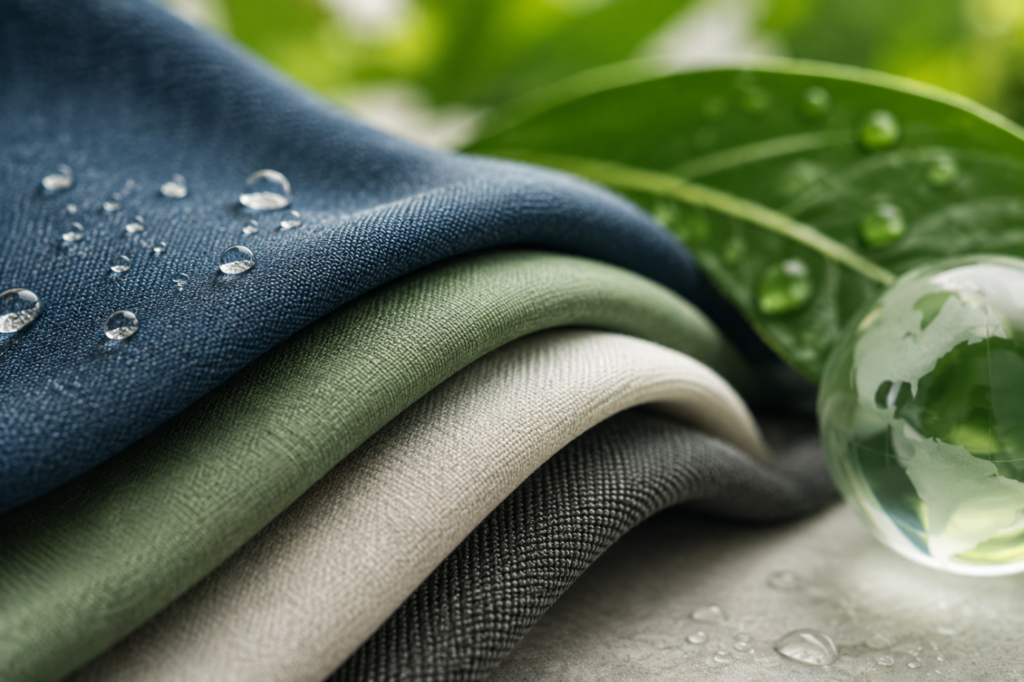
Advanced water-based PU for textile solutions helps improve durability while maintaining softness and flexibility. These materials create protective layers without making fabrics feel overly rigid.
This makes water-based PU for textiles useful in applications such as:
- Sportswear
- Outdoor clothing
- Protective garments
- Furniture fabrics
- Technical textiles
- Fashion materials
Longer-lasting fabrics often mean better performance and reduced replacement needs.
Waterproofing and Flexibility in Modern Fabrics
Consumers often want fabrics that repel water while remaining comfortable. Achieving both can be difficult.
Advanced waterborne polyurethane coating technologies help create protective barriers that improve water resistance while supporting flexibility. A suitable waterborne polyurethane coating can help fabrics maintain performance during daily use.
This balance between comfort and protection is one reason WPU technologies continue growing in textile applications.
Why Waterborne Polyurethane Textile Technologies Matter
Modern textile production focuses on performance, durability, and sustainability. This is where waterborne polyurethane textile solutions offer important advantages.
Today, waterborne polyurethane textile technologies support applications across:
Sports and Activewear
Performance fabrics need flexibility and moisture resistance. They also need to remain comfortable during repeated movement and washing.
Outdoor Textiles
Protective coatings help fabrics withstand changing weather conditions. Improved water resistance can support longer product life.
Furniture and Upholstery
Enhanced durability helps fabrics handle daily use while maintaining appearance and performance over time.
Technical Fabrics
Protective materials improve performance in specialized environments where strength and flexibility are important.
The demand for WPU technologies in textiles is expected to continue to increase as manufacturers seek stronger, more sustainable materials.
Sustainability Is Influencing Textile Innovation
Environmental expectations are changing how textile materials are developed. Manufacturers increasingly want solutions that reduce emissions while maintaining quality and performance.
Research suggests that waterborne polyurethane textile technologies are gaining attention because they support sustainability goals while still offering durability and flexibility. Research also shows that these systems may help lower VOC emissions while improving water resistance and long-term fabric performance.
As a result, water-based PU for textile solutions is becoming more common in textile manufacturing. These technologies help improve fabric performance while supporting more sustainable production methods.
As brands focus more on durability and environmental responsibility, WPU technologies are expected to play a bigger role in future textile innovation.
The Future of WPU Textile Applications
Textile innovation continues to move toward stronger, lighter, and more sustainable materials.
Future developments in WPU textile applications may further improve waterproofing, durability, flexibility, and comfort. These advancements could help create fabrics designed for changing consumer and industry needs.
Smarter Fabrics for Better Performance
The growth of WPU textile applications reflects changing needs in the textile industry. Manufacturers increasingly want materials that offer durability, flexibility, and sustainability simultaneously.
Advanced water-based polyurethane technologies and modern coating systems help improve fabric performance while supporting longer product life.
Looking for WPU solutions designed for textile applications? Explore innovative technologies at SIWO US and discover how high-performance materials can support durable, flexible, and functional textiles.