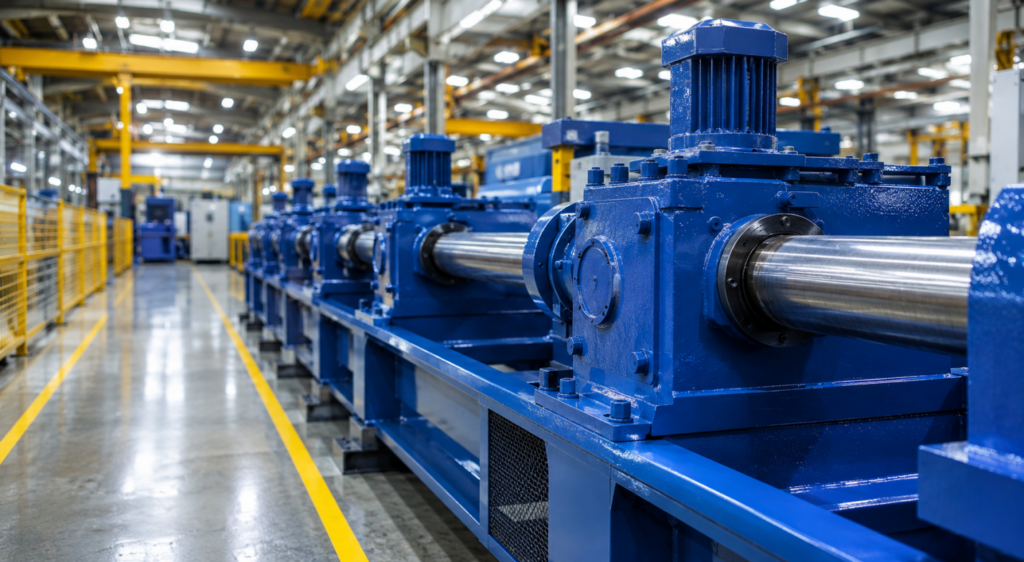
Manufacturing environments are tough on equipment. Machines run for long hours, surfaces are subjected to constant friction, and cleaning chemicals are often used. Over time, these conditions can wear down protective coatings.
This is why industrial WPU coatings are becoming more important in modern manufacturing. Companies need coating systems that protect surfaces for longer while supporting efficiency and sustainability goals.
Why Coating Performance Matters
A coating problem usually starts small. It could be a chipped edge, a scratched surface, or an area that has been repeatedly cleaned. Over time, that damage can spread and lead to bigger maintenance issues.
Strong industrial WPU coatings help reduce these risks. They create a protective layer that helps surfaces last longer under daily use.
Better coating performance can support:
- Longer equipment life
- Fewer repairs
- Lower maintenance costs
- Reduced downtime
- More efficient operations
In manufacturing, durable coatings help keep production running smoothly.
The Shift Toward Water-Based Polyurethane
Manufacturers today want materials that offer both performance and environmental benefits.
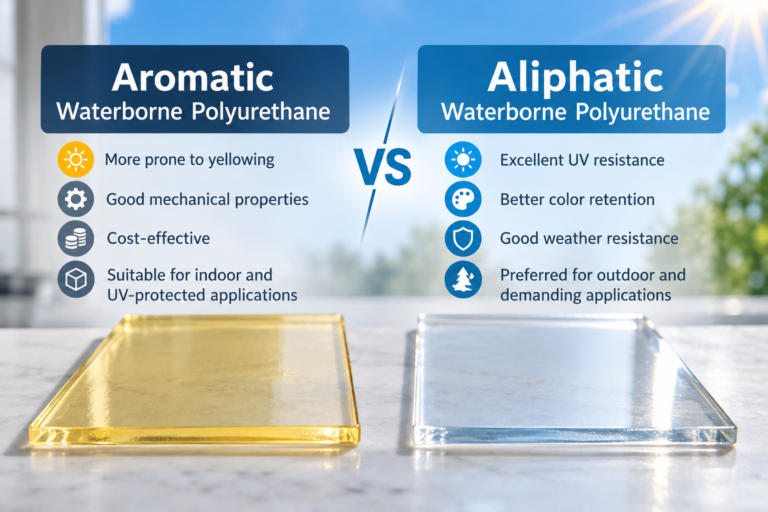
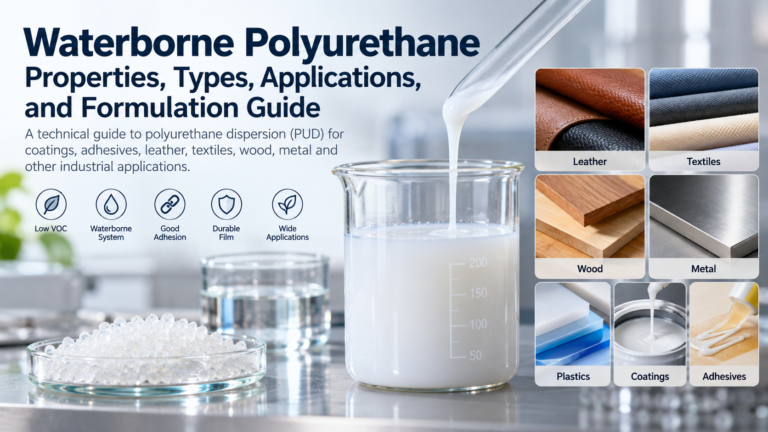
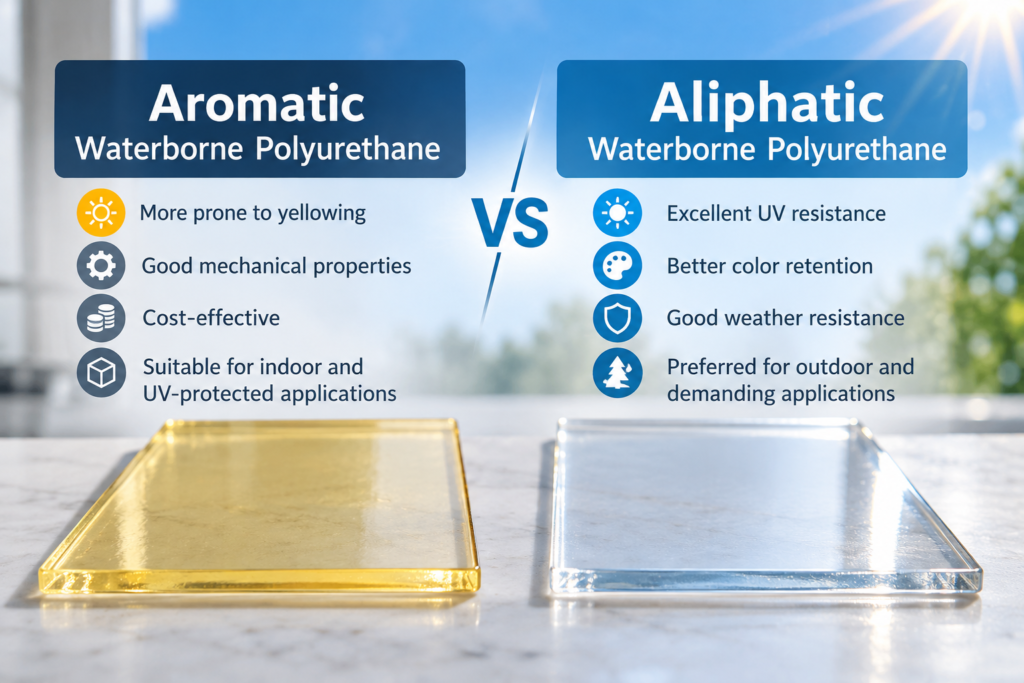
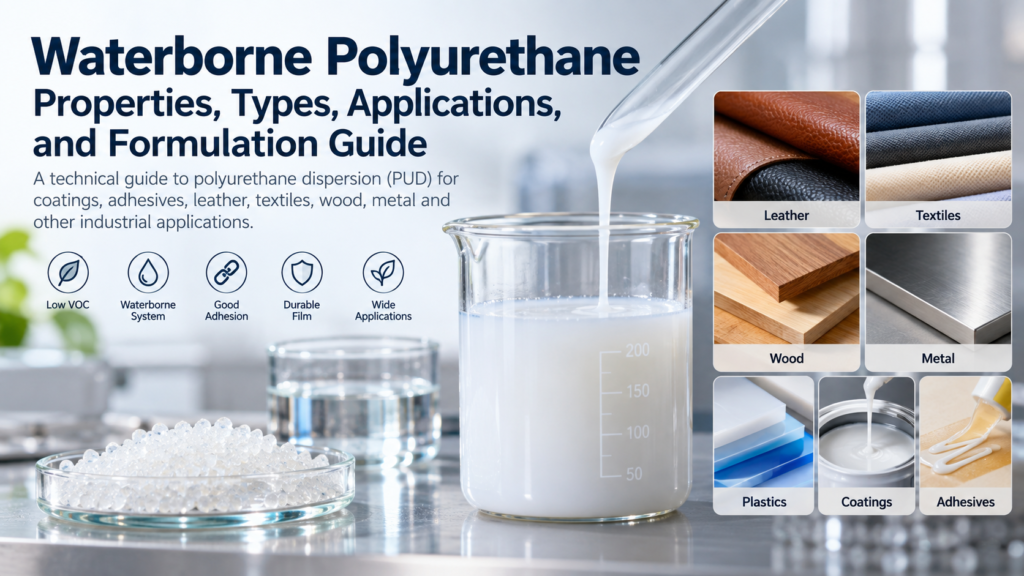
Unlike traditional coatings, water-based polyurethane uses water as its main carrier. This helps lower VOC emissions while still providing durability and surface protection.
Many industries choose these systems because they support:
- Strong adhesion
- Wear resistance
- Moisture protection
- Flexibility
- Improved environmental performance
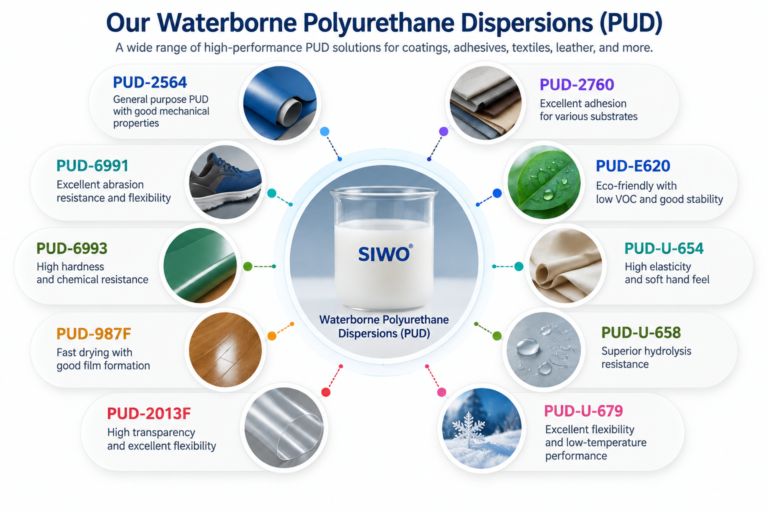
This balance makes waterborne polyurethanes for industrial coatings useful across many manufacturing environments.
How Waterborne Polyurethane Coating Improves Durability
Manufacturing equipment goes through constant use. Machines vibrate, surfaces are often touched, and exposure to oils, moisture, and cleaners is common.
Advanced waterborne polyurethane coating systems help create protective layers that can handle these conditions. helps reduce wear and keeps surfaces protected for longer.
These coatings are commonly used for:
- Industrial machinery
- Metal parts
- Equipment housings
- Storage systems
- Plastic components
- Manufacturing panels
Longer-lasting coatings often mean fewer interruptions and less frequent repainting.
Why Waterborne Polyurethanes for Industrial Coatings Matter
Modern industries need coating systems that do more than protect surfaces. They also need materials that support sustainability and long-term performance.
This is where waterborne polyurethanes for industrial coatings offer value. These technologies help manufacturers improve durability while reducing reliance on traditional solvent-heavy systems.
Today, waterborne polyurethanes for industrial coatings are used in industries such as:
Automotive Manufacturing
Protective coatings help reduce wear and improve durability.
Industrial Equipment
Machines and tools benefit from stronger surface protection.
Electronics Production
Coatings help protect sensitive parts from moisture and daily handling.
Construction Materials
Protective layers support longer material life in demanding environments.
The demand for waterborne polyurethanes for industrial coatings is expected to grow as industries continue focusing on performance and sustainability.
Sustainability Is Changing Coating Choices
Environmental standards are influencing manufacturers’ material choices. Many businesses want coating systems that reduce emissions while maintaining strong performance.
Studies suggest that polyurethane-based waterborne technologies are gaining attention because they help support sustainability goals while maintaining durability and performance in industrial coatings.
Because of this, industrial waterborne polyurethane coatings are becoming more popular; these coatings help companies balance sustainability goals with durability requirements.
The increasing use OF waterborne polyurethane coating shows that industries are moving toward cleaner technologies without sacrificing performance.
Choosing the Right Coating Matters
Not every coating works well in every environment. Surface type, temperature, moisture exposure, and cleaning routines all affect performance.
Choosing suitable industrial WPU coatings means understanding the real conditions equipment faces every day. The right coating system can improve protection and reduce long-term maintenance needs.
The Future of Industrial WPU Coatings
Manufacturing continues to change. Companies want stronger materials, longer-lasting protection, and more sustainable solutions.
Future developments in industrial WPU coatings will likely focus on improving durability, flexibility, and environmental performance. These innovations will help manufacturers protect equipment while supporting efficient operations.
Stronger Protection for Modern Manufacturing
The growth of industrial WPU coatings reflects changing industry needs. Manufacturers want solutions that improve durability, reduce maintenance, and support sustainability goals.
Advanced water-based polyurethane technologies and modern coating systems help provide that protection. At the same time, waterborne polyurethanes for industrial coatings support longer coating life in demanding manufacturing environments.
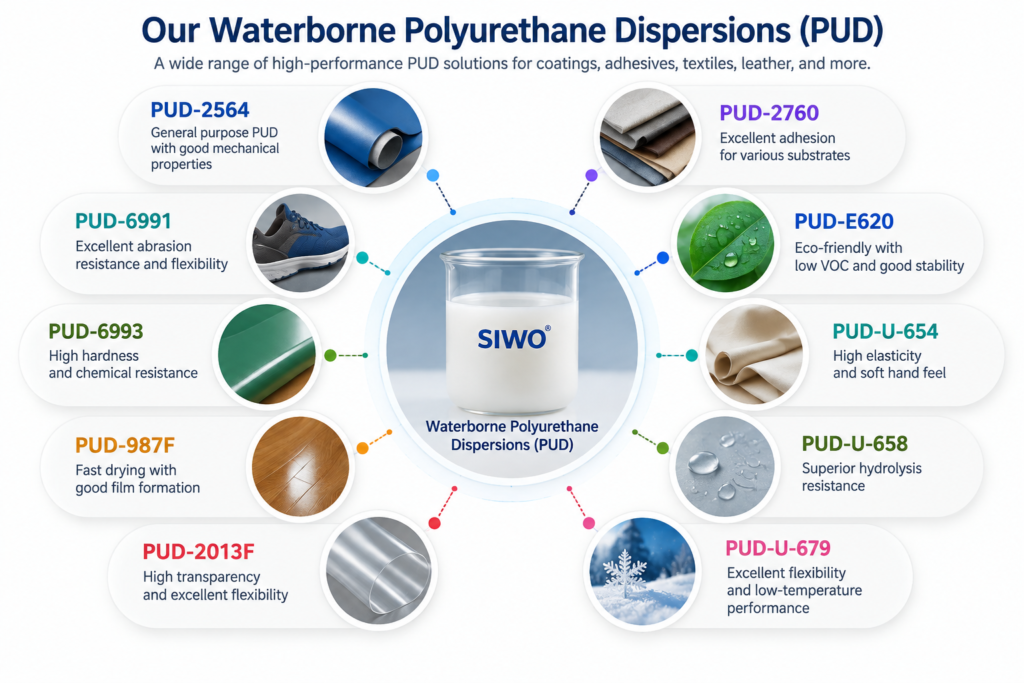
Looking for coating solutions designed for industrial performance? Explore advanced WPU technologies at SIWO US and discover how industrial waterborne polyurethane coatings can help improve durability, efficiency, and long-term surface protection.