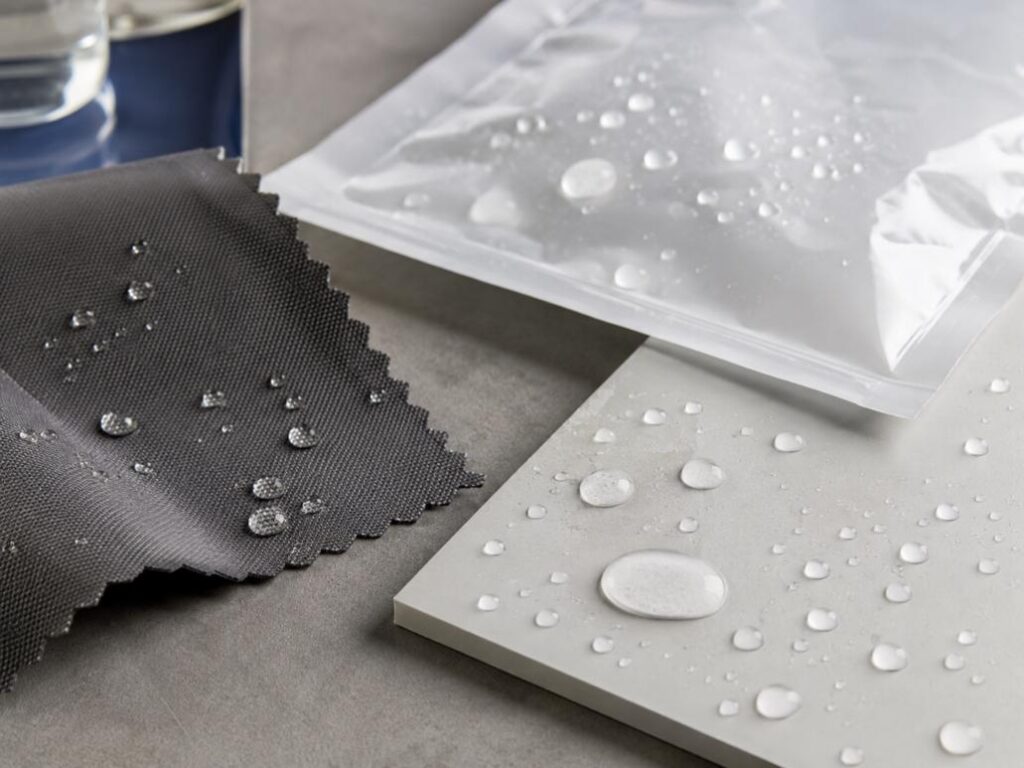
Water has a quiet way of finding weak spots. It can soften a finish, stain a textile, weaken packaging, or change the feel of a material long before failure is visible. That is why WPU barrier coatings have become important in product design. They help slow moisture movement while keeping the surface usable, clean, and stable.
Where Moisture Starts Causing Trouble
Moisture resistance is rarely about one dramatic event. It is usually about repeated exposure. Humid air, cleaning cycles, storage conditions, sweat, spills, and transport can all affect a material over time.
A good barrier system gives the surface a better chance to hold up. In a waterborne polyurethane system, the coating forms a film that helps limit water absorption without adding unnecessary weight or stiffness. This matters when appearance, comfort, and durability must work together.
How WPU Films Protect the Surface
A waterborne polyurethane dispersion begins as small polymer particles carried in water. After application, the water evaporates, and the particles form a protective film. That film can help block moisture, reduce surface damage, and support adhesion to the base material.
The final result depends on the formulation. Polymer structure, drying conditions, solids content, and crosslinking all affect barrier strength. This is why two WPU systems can behave very differently, even when used on similar surfaces.
Coatings That Need Reliable Barriers
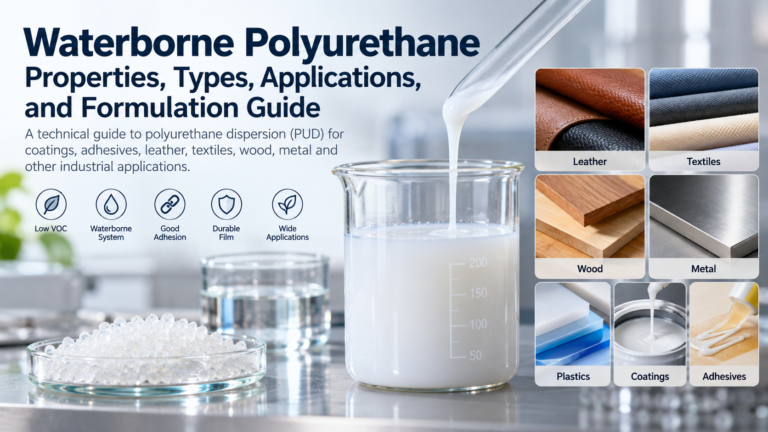
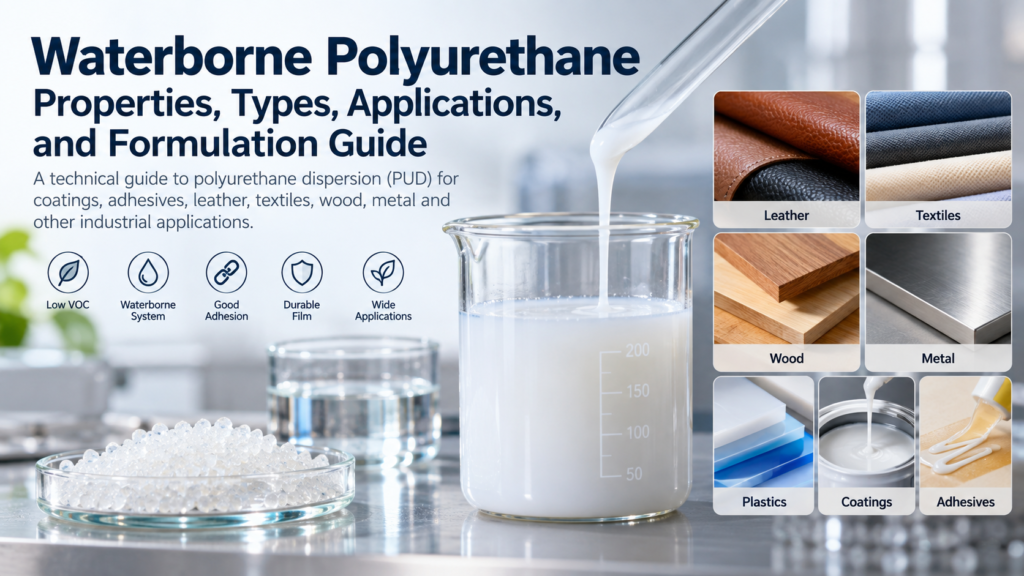
Industrial coatings are exposed to moisture from many directions. Floors may see cleaning water. Plastic parts may face humidity. Wood finishes can swell or lose smoothness. Metal surfaces may need added protection before corrosion begins.
For these conditions, WPU barrier coatings can support longer surface life while maintaining flexibility and finish quality. A well-chosen waterborne polyurethane coating can also help resist abrasion and chemical contact, which often occur alongside moisture exposure.
Textiles and Packaging Have Different Needs
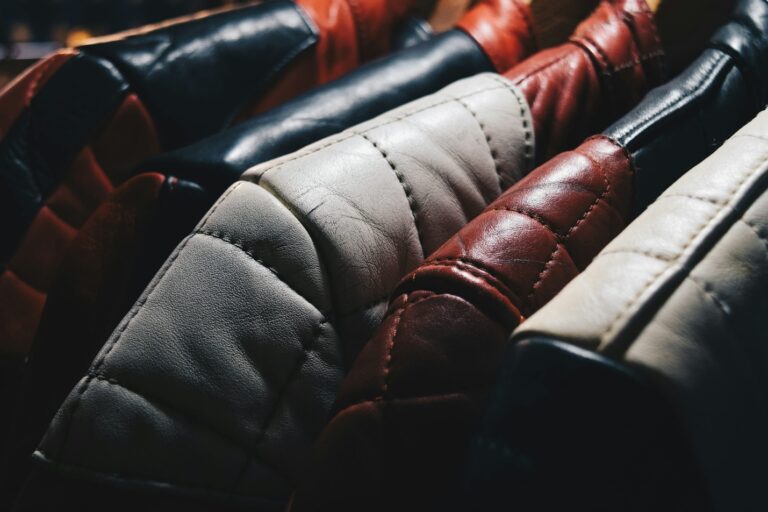
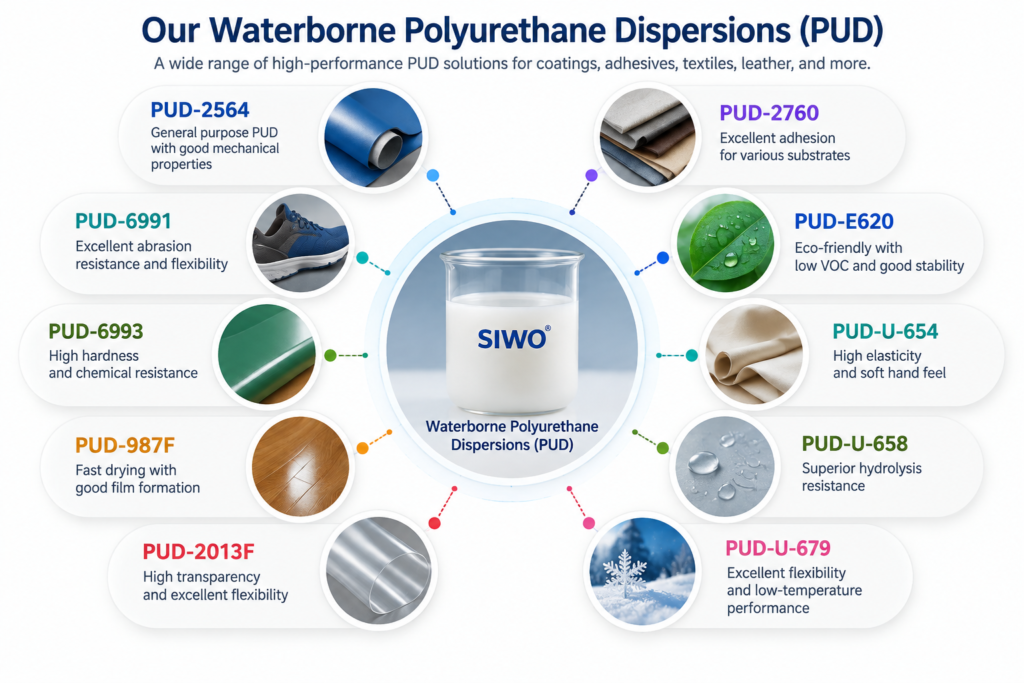
Textiles need protection that does not ruin the fabric. A coating may need to resist moisture while still allowing movement, softness, and a natural feel. That is where water-based PU can be useful for coated fabrics, technical textiles, and synthetic leather.
Packaging has another concern. Moisture can weaken paper, affect printed graphics, or reduce shelf performance. Barrier layers made with water-based systems can help protect flexible packaging, labels, and coated papers while supporting cleaner production choices.
Protection That Feels Practical
Good barrier performance reduces surprises for manufacturers. Materials are easier to handle, store, ship, and use when moisture resistance is built into the surface system from the start.
As demand grows for safer, more practical coating materials, WPU barrier coatings offer a strong path to moisture protection across coatings, textiles, and packaging. For support with Polyurethane Dispersions and water-based solutions, SIWO US provides dependable material guidance for industrial applications, including specialized waterborne polyurethane coating solutions and advanced PUD for coating formulations. Contact us today.