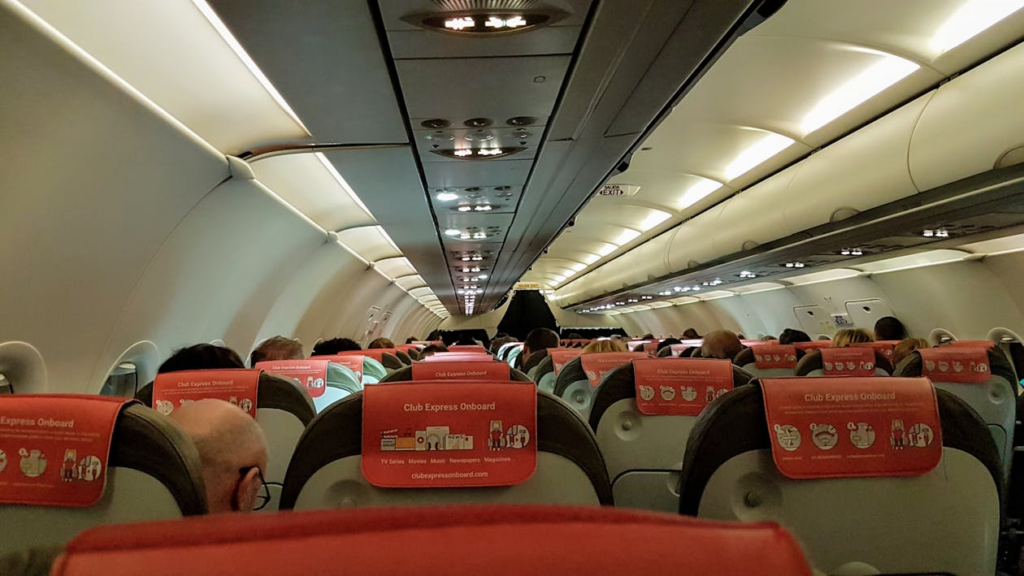
The aerospace industry faces increasing pressure to adopt sustainable materials without compromising performance or safety. Interior components, from seating to paneling, must meet strict emissions standards while offering durability, comfort, and fire resistance. Waterborne polyurethanes manufacturer innovations are enabling waterborne polyurethanes (WPUs) with low volatile organic compounds (VOC), providing high-performance solutions for aircraft interiors that align with environmental regulations.
The Challenge of Aerospace Interiors
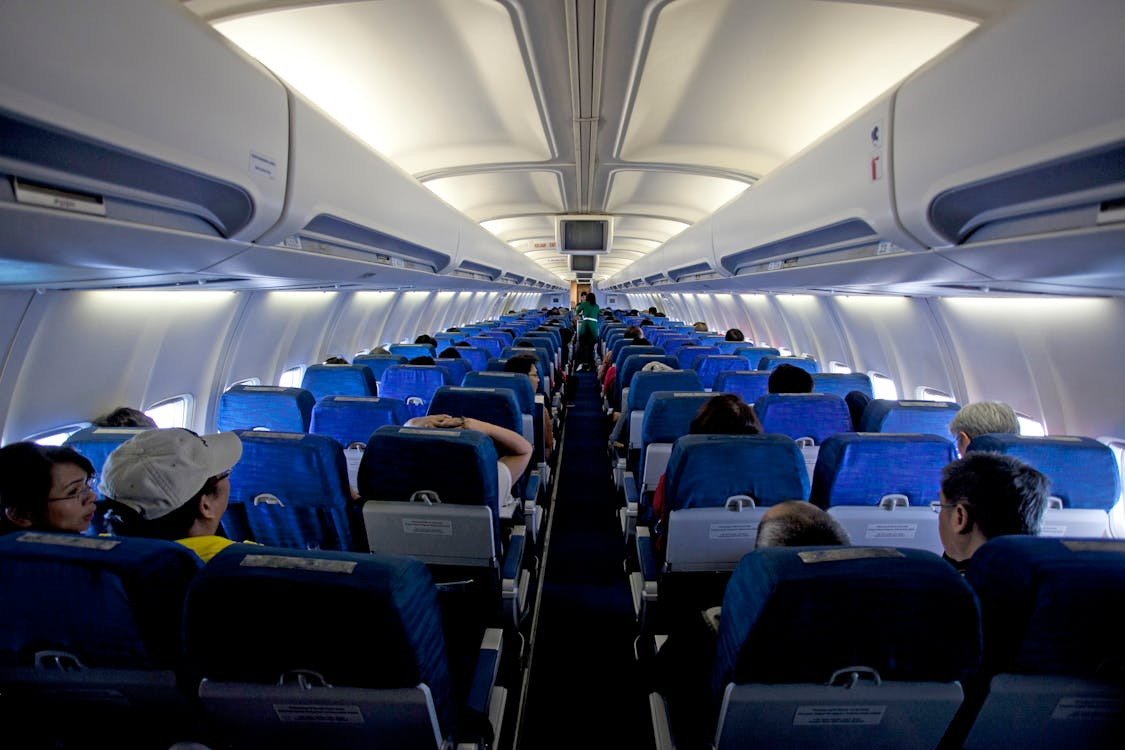
Aerospace interiors require materials that are lightweight, durable, and compliant with stringent safety standards. Traditional solvent-based polyurethanes, while effective, contribute to VOC emissions that pose health and environmental risks. Manufacturers are increasingly seeking alternatives that maintain mechanical performance while reducing environmental impact.
WPUs address these challenges by offering low-emission coatings, adhesives, and foams suitable for seating, wall panels, overhead bins, and cabin fixtures. These materials meet aerospace flammability, smoke, and toxicity (FST) requirements without sacrificing flexibility or durability.
Advantages of Low-Emission WPUs
Low-emission WPUs provide multiple benefits for aerospace interiors:
- Reduced VOCs, supporting safer cabin air quality and compliance with global environmental standards
- Excellent adhesion and flexibility, enabling coating of complex shapes and various substrates including plastics, metals, and composites
- Durable surface protection,resisting scratches, stains, and abrasion from daily passenger use
- Fire resistance and compliance with FST standards, ensuring passenger safety in critical applications
These properties allow aircraft manufacturers to improve cabin safety, longevity, and passenger comfort while adhering to sustainability goals.
Applications Across Aircraft Interiors
Low-emission WPUs are versatile and can be applied to numerous interior components:
- Seating foams and upholstery coatings: Provide cushioning, comfort, and stain resistance
- Panel coatings and laminates: Maintain aesthetic quality while reducing surface wear
- Overhead bins and cabin fixtures: Enhance durability and reduce maintenance requirements
- Adhesives for interior assembly: Replace solvent-based systems, improving air quality and environmental performance
By integrating low-emission WPUs, aerospace manufacturers can reduce their carbon footprint and achieve compliance with evolving environmental regulations without compromising performance.
Sustainability and Regulatory Compliance
Waterborne polyurethanes are inherently more environmentally friendly than solvent-based alternatives. Their water-based formulation reduces VOC emissions during production and application, improving air quality for manufacturing personnel and passengers alike.
Furthermore, WPUs can be formulated using bio-based polyols and other renewable feedstocks, enhancing their sustainability credentials. The reduced solvent content also minimizes fire hazards during production and assembly, contributing to safer manufacturing environments.
Future Outlook
The demand for low-emission WPUs in aerospace interiors is expected to grow as airlines and manufacturers aim to meet stricter environmental regulations and sustainability targets. Research is ongoing to enhance mechanical performance, improve flame retardancy, and reduce weight, further optimizing these materials for aircraft applications.
Emerging innovations may also incorporate multifunctional coatings that combine antimicrobial, anti-stain, and self-cleaning properties, addressing operational challenges while maintaining compliance with low-emission standards.
By adopting waterborne polyurethane solutions, the aerospace industry can achieve a balance between high-performance interior materials and environmental responsibility, driving innovation for safer, greener air travel.
Upgrade Aerospace Interiors with Low-Emission WPUs from SIWO US
Collaborate with SIWO US to access low-emission waterborne polyurethane dispersions, water based PU coatings, and adhesives engineered for lightweight, durable, and sustainable aircraft interiors. Contact now to innovate responsibly.