Consumer products today are expected to be durable, functional, and long-lasting. Innovations in polymer chemistry are enabling materials that can repair themselves, extending product life and reducing waste. Leading waterborne polyurethanes manufacturers are developing waterborne polyurethanes (WPUs) with self-healing capabilities, offering a new level of resilience for coatings, electronics, footwear, and household items.
The Need for Self-Healing Materials
Daily wear and tear can compromise product aesthetics and performance. Scratches, minor abrasions, and micro-cracks not only affect appearance but can also lead to structural degradation over time. Self-healing WPUs address these challenges by autonomously repairing damage, reducing maintenance requirements, and improving consumer satisfaction.
These materials are particularly valuable in high-use surfaces such as smartphone cases, furniture coatings, protective gear, and flexible electronics. Their ability to restore integrity without manual intervention supports sustainability by extending product lifespan.
Mechanisms of Self-Healing WPUs
Self-healing WPUs utilize specialized chemical structures and physical mechanisms to recover from damage. Common strategies include:
- Reversible hydrogen bonding: Molecular bonds can reform after disruption, sealing scratches and minor cracks
- Microcapsules or embedded healing agents: Damage triggers the release of reactive components that repair the affected area
- Dynamic covalent bonds: Chemical linkages that break and reform in response to environmental triggers like heat or moisture
These mechanisms allow WPUs to maintain flexibility, adhesion, and protective properties while repairing superficial or even deeper damage.
Applications in Consumer Products
Self-healing WPUs are being integrated into a variety of consumer products:
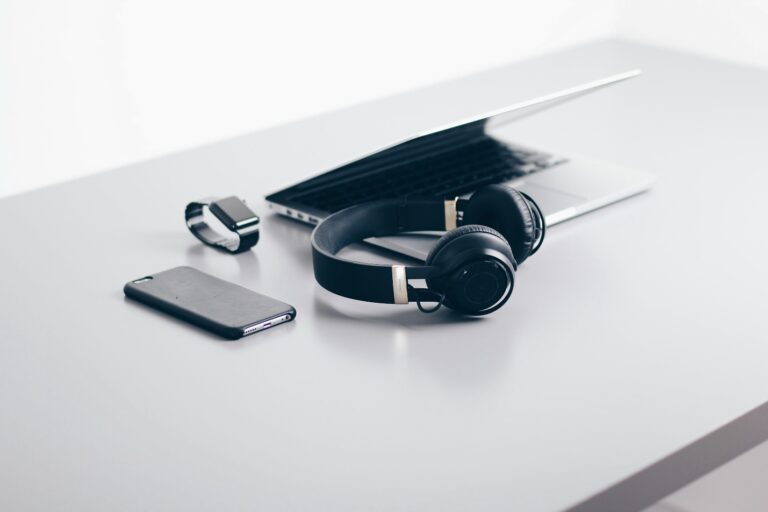
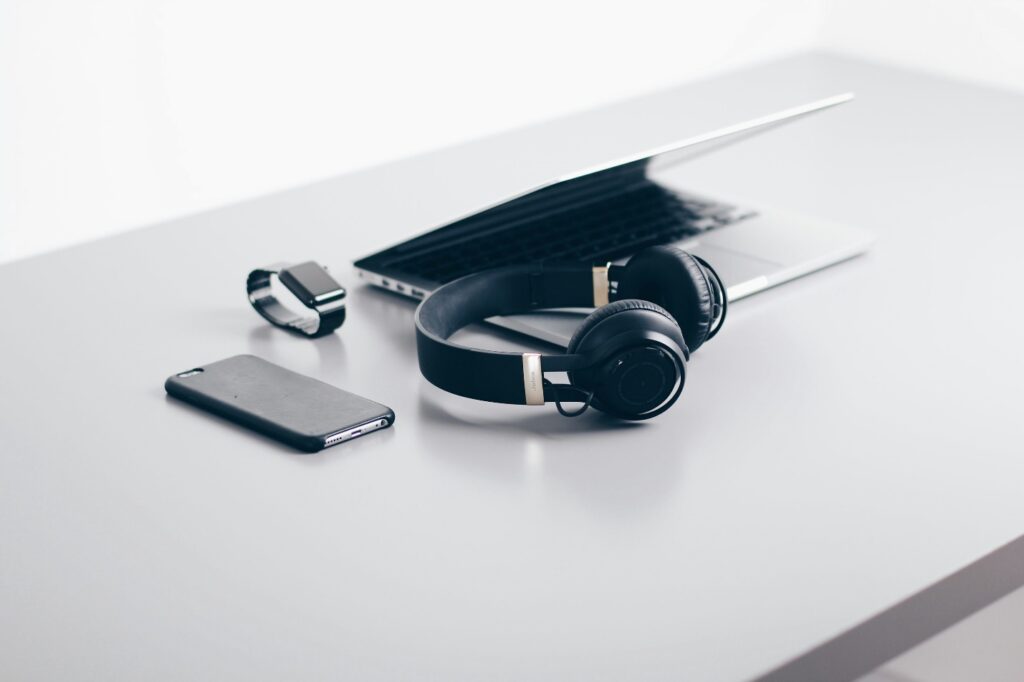
- Electronics: Smartphone and tablet protective coatings that recover from scratches, preserving screen clarity and touch sensitivity
- Footwear: Midsole and outer layer coatings that repair micro-cracks caused by repeated stress
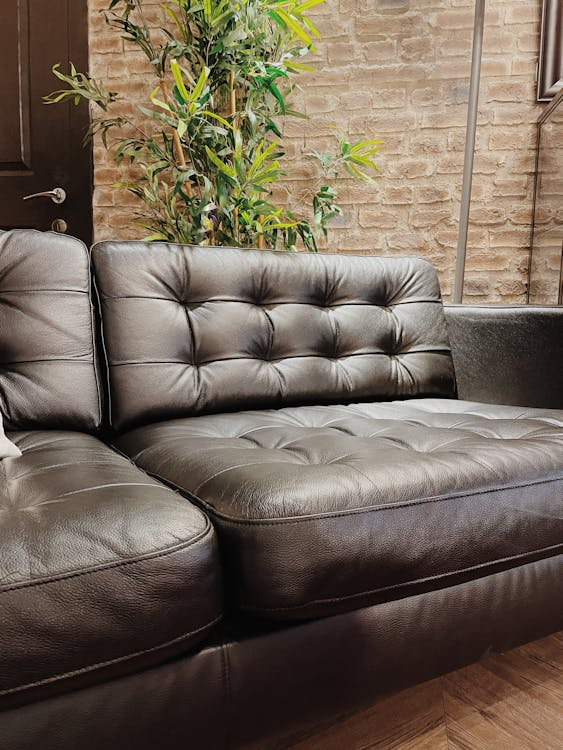
- Household items: Furniture finishes, countertops, and coatings that maintain appearance and resist wear
- Flexible packaging: WPU films that repair minor tears or punctures, improving durability and product protection
These applications demonstrate how self-healing WPUs enhance usability, reduce replacement frequency, and improve the overall lifecycle of products.
Environmental and Consumer Benefits
Waterborne polyurethanes are inherently more environmentally friendly than solvent-based alternatives due to reduced VOC emissions during manufacturing and application. When combined with self-healing properties, they further reduce waste by extending product lifespan and minimizing the need for replacements.
Additionally, self-healing WPUs improve safety and reliability, especially in electronics and wearable products, by preventing cracks or damage from compromising structural or functional integrity.
Future Outlook
The future of self-healing WPUs is promising, with ongoing research focused on improving healing speed, efficiency, and environmental responsiveness. Integration with smart materials may allow coatings to respond to specific stimuli, such as temperature changes or UV exposure, providing adaptive protection.
As consumers demand longer-lasting, sustainable, and high-performance products, self-healing WPUs are poised to become a standard feature in electronics, apparel, household items, and beyond. Their combination of durability, convenience, and environmental benefit positions them as a key innovation in the next generation of consumer materials.
Enhance Durability with WPU Dispersions from SIWO US
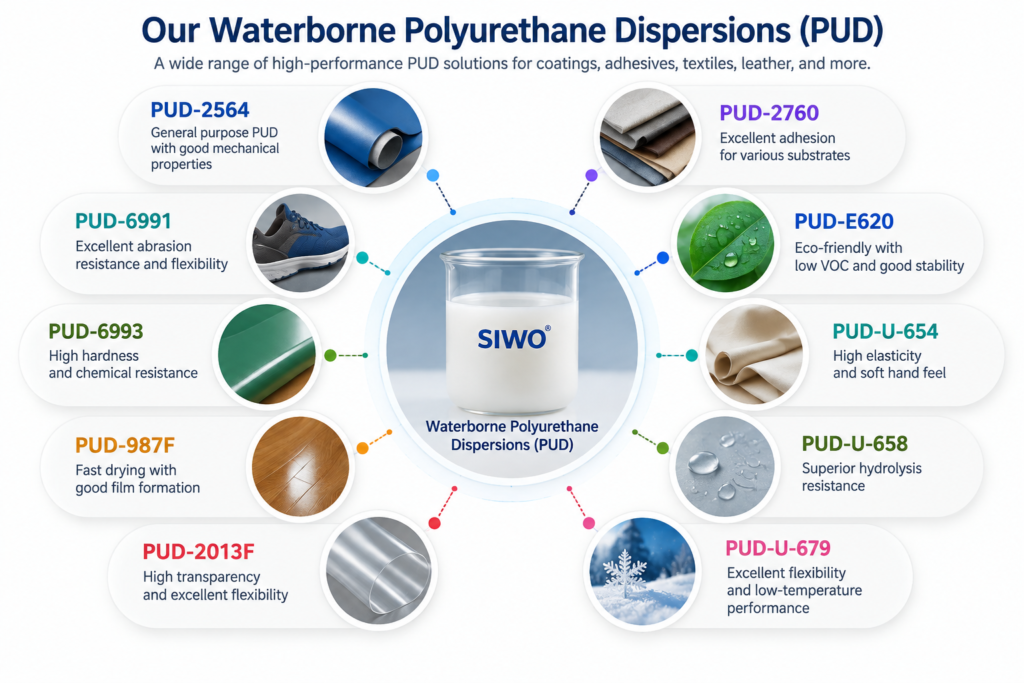
Partner with SIWO US to access durable waterborne polyurethane dispersions, water based PU coatings, and multifunctional PUD resins designed for electronics, footwear, household items, and consumer products. Reach out now to get started.