Urban heat islands, roof surfaces, and high-exposure infrastructure often experience extreme temperatures that can reduce lifespan and increase energy consumption. A forward-thinking waterborne polyurethanes manufacturer looks to address this challenge by developing waterborne polyurethanes (WPUs) designed for heat-reflective and cooling surfaces. These innovative coatings help manage microclimates, improving comfort, reducing energy use, and protecting building and industrial surfaces.
Understanding Microclimate Challenges
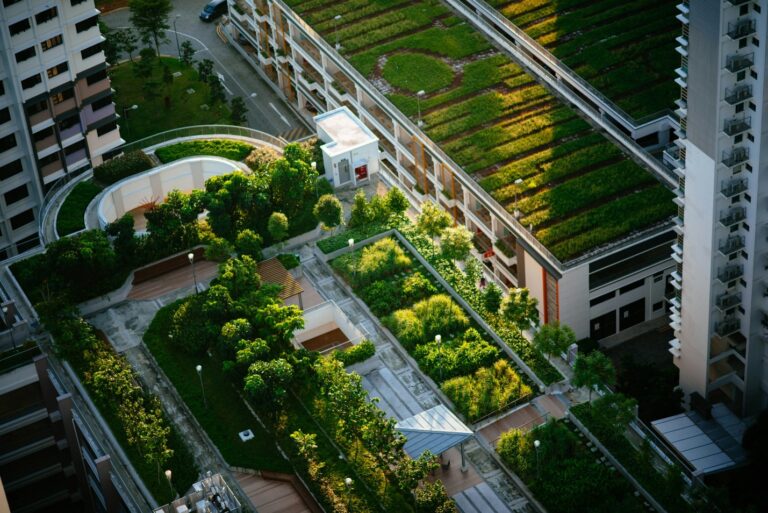
Microclimates are localized areas where temperature, humidity, and solar exposure differ significantly from surrounding environments. In urban areas, heat accumulation on roofs, pavements, and walls contributes to higher energy consumption and accelerated material degradation. Traditional coatings often lack the reflective properties and durability required to mitigate these effects effectively.
WPUs formulated for heat management provide an adaptable solution, creating surfaces that reflect solar radiation while maintaining mechanical performance and environmental compliance.
Heat-Reflective and Cooling Properties of WPUs
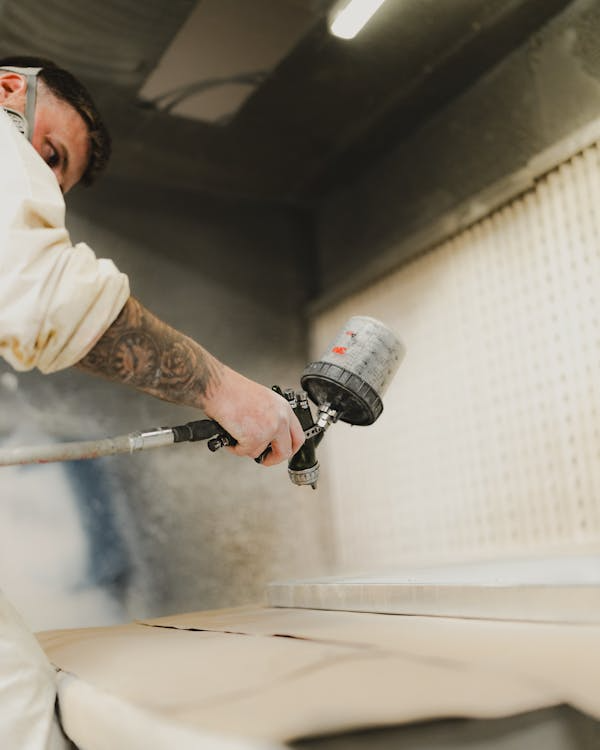
Waterborne polyurethane coatings can be engineered to combine traditional protective functions with heat-reflective performance. Key features include:
- Solar reflectance, reducing heat absorption and lowering surface temperatures
- Thermal stability, maintaining integrity under prolonged UV exposure and high temperatures
- Moisture resistance, preventing water damage while contributing to passive cooling strategies
- Flexibility and adhesion, ensuring durable coatings on diverse substrates like concrete, metal, and roofing materials
By controlling heat absorption and surface temperatures, these coatings help reduce urban heat island effects, improve indoor comfort, and decrease cooling energy demands.
Applications Across Surfaces
WPUs for heat-reflective and cooling applications are used across residential, commercial, and industrial environments:
- Roof coatings: Reflective WPUs help maintain lower indoor temperatures, decreasing air conditioning needs
- Facade treatments: High-reflectance surfaces reduce solar heating and protect building envelopes
- Pavements and walkways: Coatings minimize surface temperatures, improving pedestrian comfort and reducing surface wear
- Industrial equipment and tanks: Heat-reflective coatings protect machinery and storage surfaces from thermal stress
These solutions demonstrate how functional WPUs can enhance both environmental performance and material longevity.
Sustainability Benefits
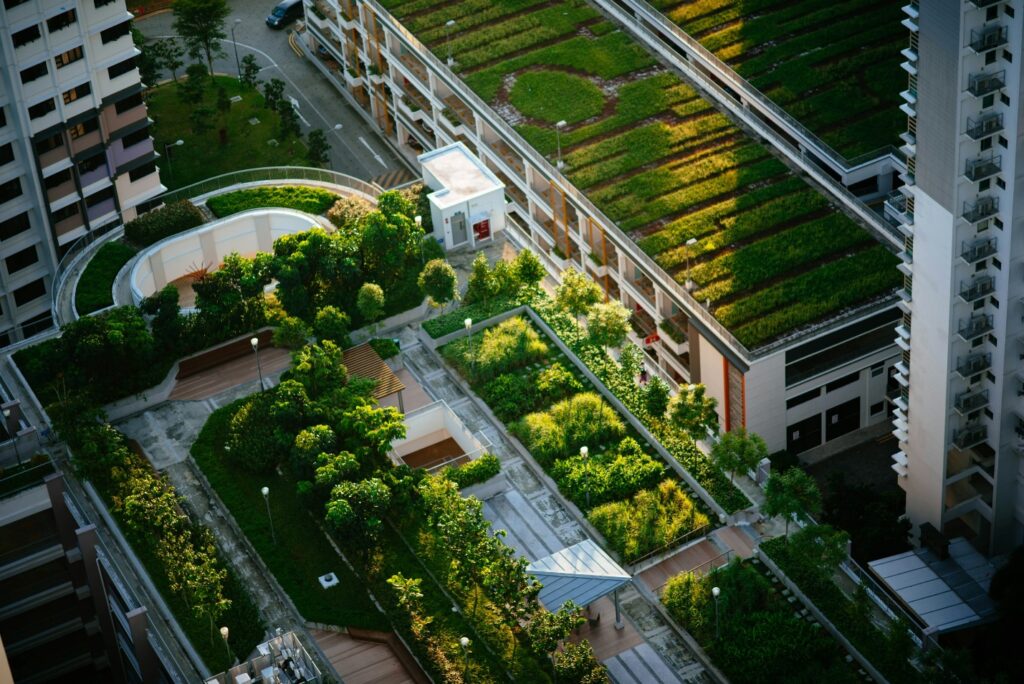
Waterborne polyurethane systems offer sustainability advantages beyond performance. Unlike solvent-based coatings, they emit fewer volatile organic compounds (VOCs), reducing air pollution and improving workplace safety. Additionally, WPU coatings are compatible with energy-efficient building standards, green roofing projects, and sustainable urban planning initiatives.
Their water-based composition also allows easier cleanup, lower energy input during application, and compatibility with eco-friendly substrates, aligning with global regulatory frameworks.
Future Outlook
Research in WPU formulations for heat-reflective and cooling applications continues to grow, with innovations targeting higher solar reflectivity, enhanced durability, and multifunctional coatings that combine thermal management with self-cleaning or pollution-resistant properties.
As urban environments face rising temperatures and energy costs, WPUs provide a practical, sustainable, and high-performance solution for managing microclimates, safeguarding surfaces, and improving environmental outcomes.
Optimize Surfaces with Heat-Reflective WPU Coatings from SIWO US
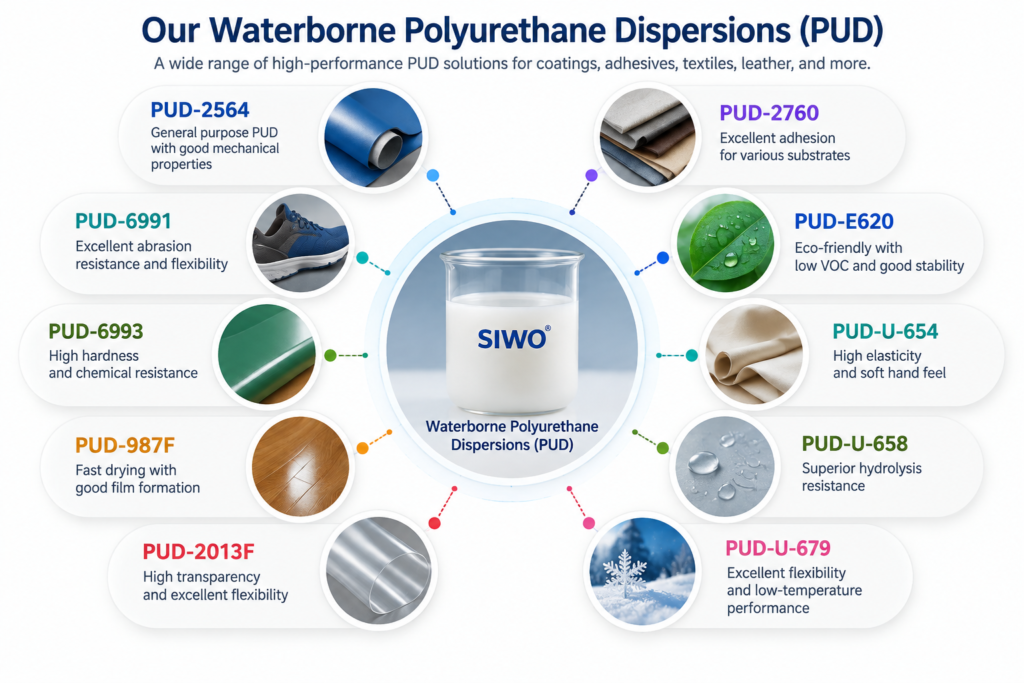
Partner with SIWO US to access advanced waterborne polyurethane dispersions and heat-reflective water based PU solutions engineered for roofs, facades, pavements, and industrial surfaces. Enhance comfort and durability today. Reach out now to learn more.