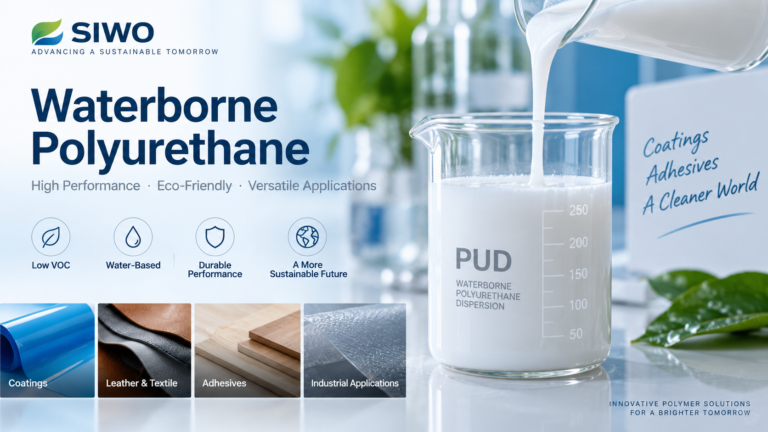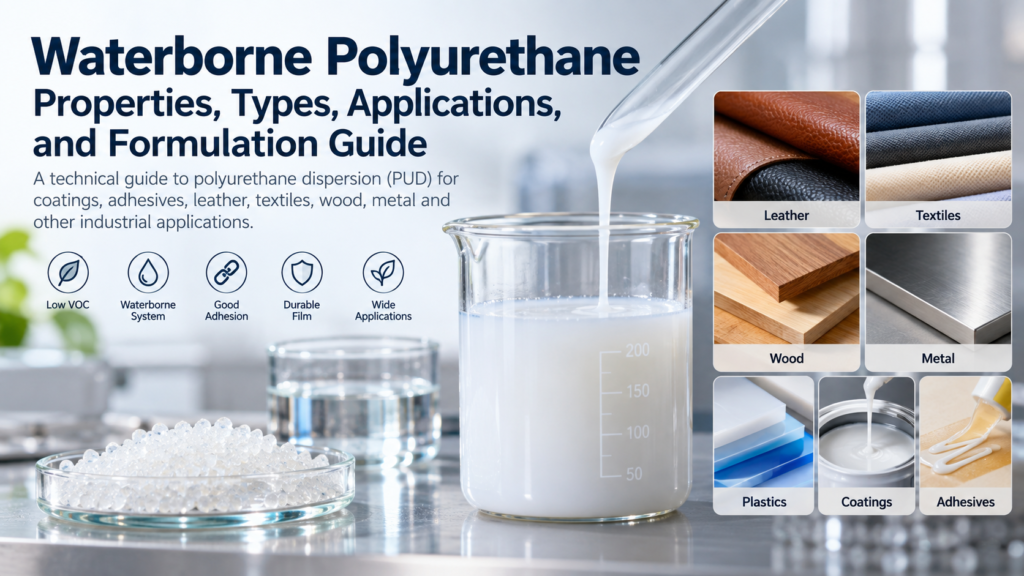

The global shift toward sustainable industrial chemistry has accelerated demand for waterborne polyurethane technologies at an unprecedented pace. Unlike solvent-based alternatives, water based polyurethane systems use water as the primary carrier medium, dramatically reducing volatile organic compound (VOC) emissions while maintaining the mechanical and chemical performance that manufacturers depend on. According to the EPA, VOCs are a leading contributor to indoor air quality degradation and occupational health risk, making the case for low-emission chemistry stronger than ever.
Across sectors including coatings, adhesives, textiles, and packaging, the adoption of waterborne polyurethanes is reshaping how industries approach surface protection, bonding, and material enhancement. For procurement teams and formulators evaluating a polyurethane material supplier, understanding the chemistry and application scope of these technologies is essential to making informed sourcing decisions. This whitepaper explores four core industrial application areas and explains why leading manufacturers are transitioning to water based PU systems.
The Science Behind Waterborne Polyurethane Dispersions
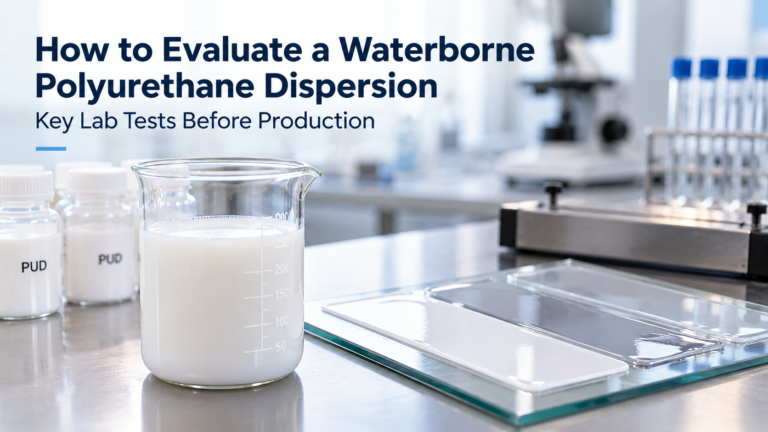
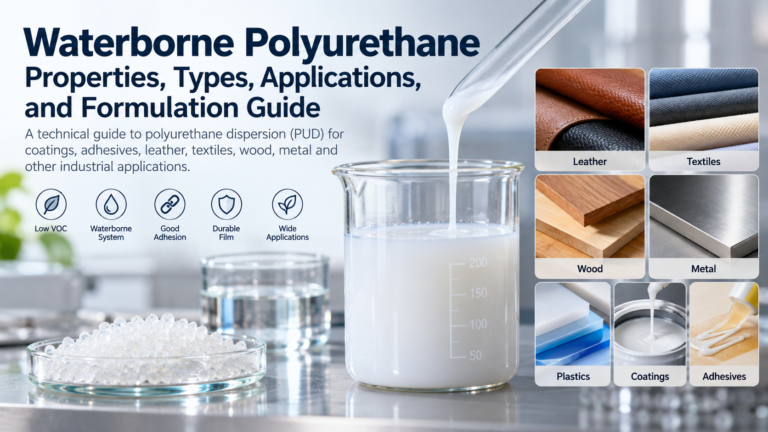
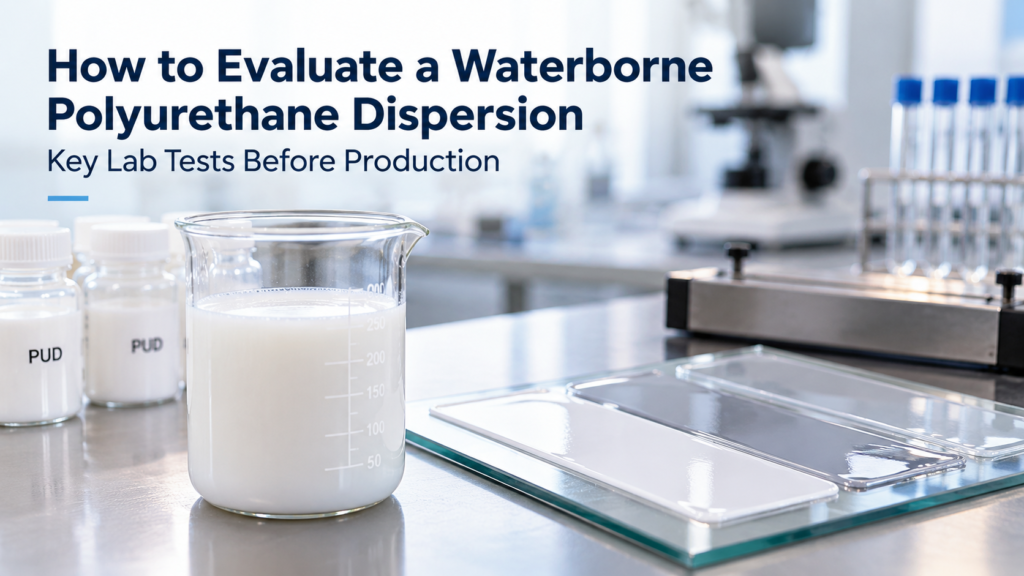
At the core of this technology is the waterborne polyurethane dispersion, a stable colloidal system in which polyurethane particles are suspended in water rather than an organic solvent. These water based polymer systems are synthesized through controlled reactions that build polymer chains with tailored mechanical properties including flexibility, hardness, and adhesion strength. A 2024 review published in RSC Sustainability highlights that advances in hybrid dispersion technology and nanoparticle integration are steadily bringing waterborne system performance closer to that of solvent-borne equivalents.
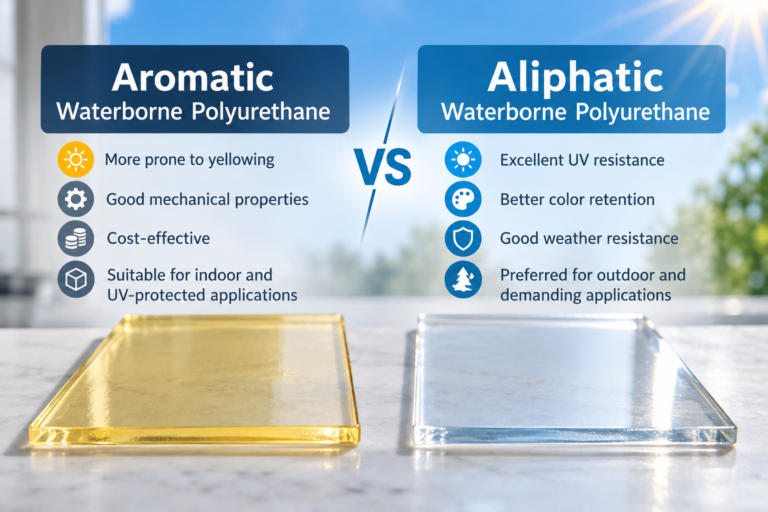
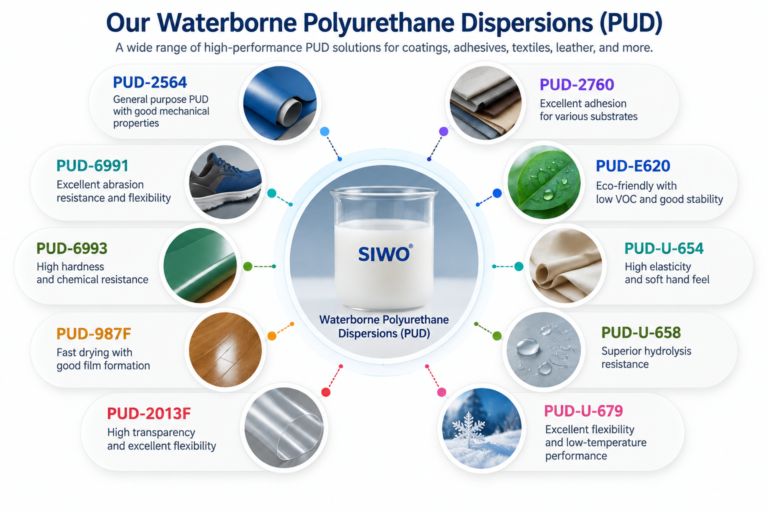
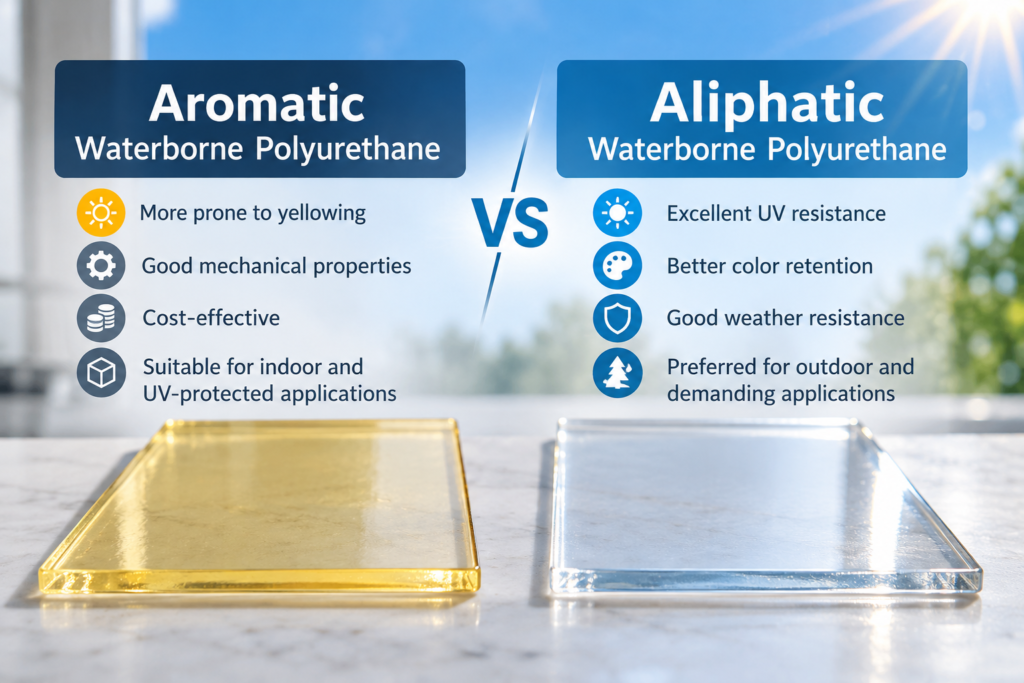
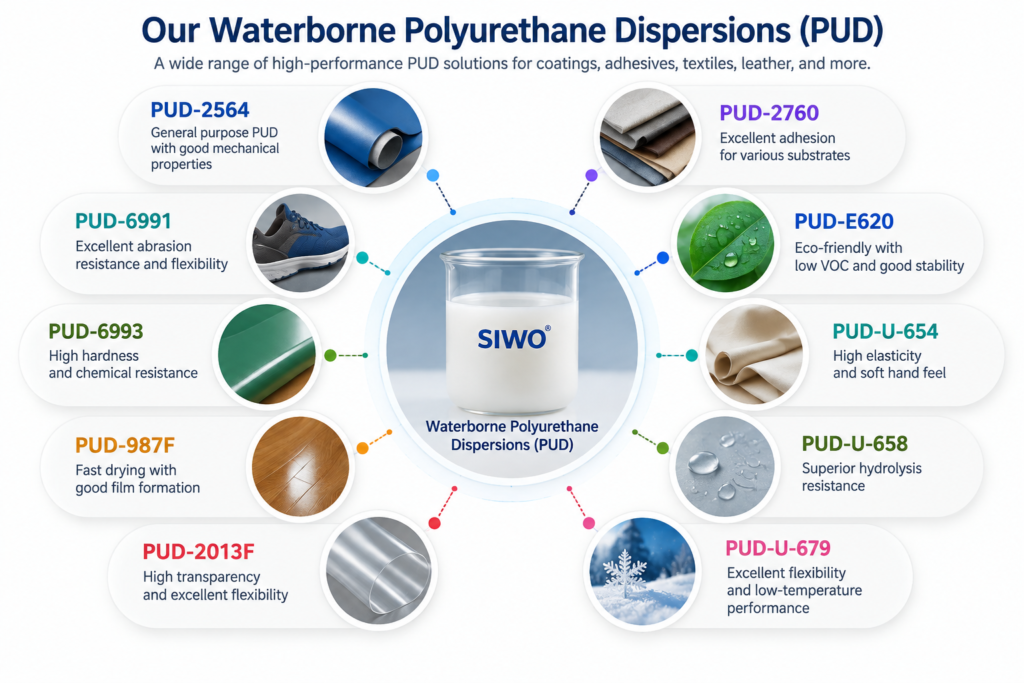
Water Based Polyurethane Dispersions are available across a wide range of formulations including aliphatic, aromatic, polyester-based, and polyether-based variants, enabling a polyurethane supplier to serve highly specialized end markets. The chemistry of a waterborne polyurethane dispersion can be tuned to achieve specific crosslink densities, glass transition temperatures, and particle size distributions that directly influence end-use performance. Modern polyurethane dispersions are formulated to meet increasingly strict VOC thresholds set by regulators, delivering significantly lower emissions than conventional solvent-based systems while maintaining comparable mechanical performance, without compromising on durability or adhesion.
Industrial Coatings
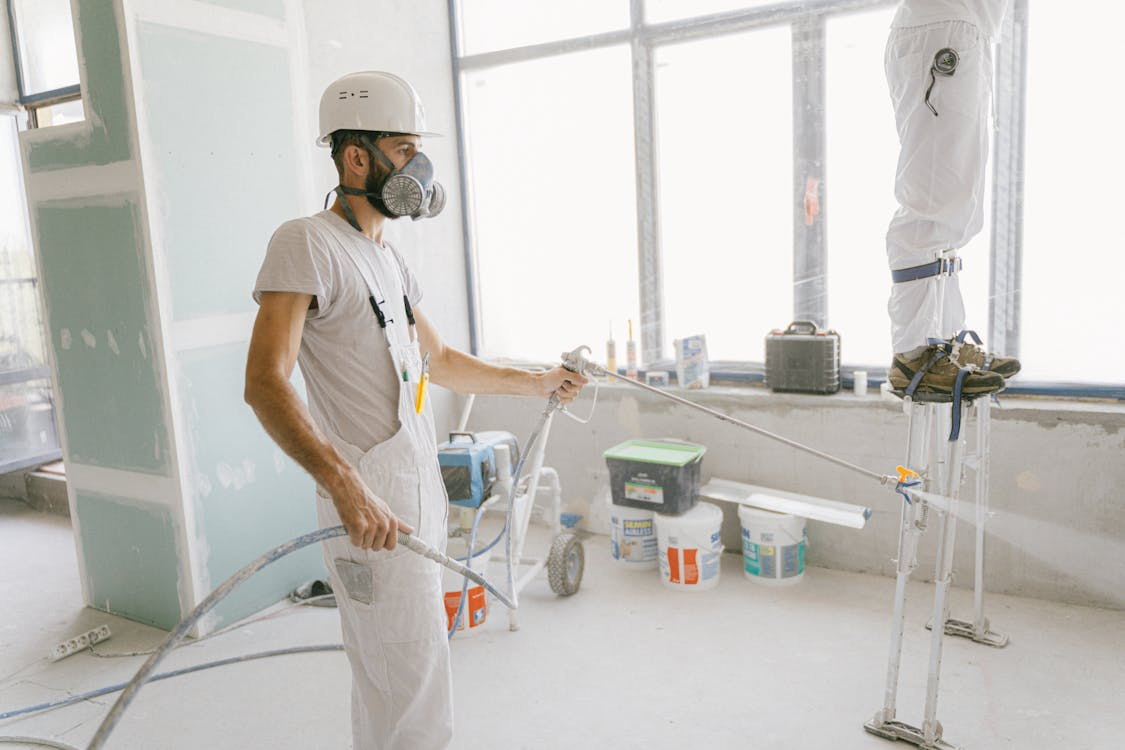
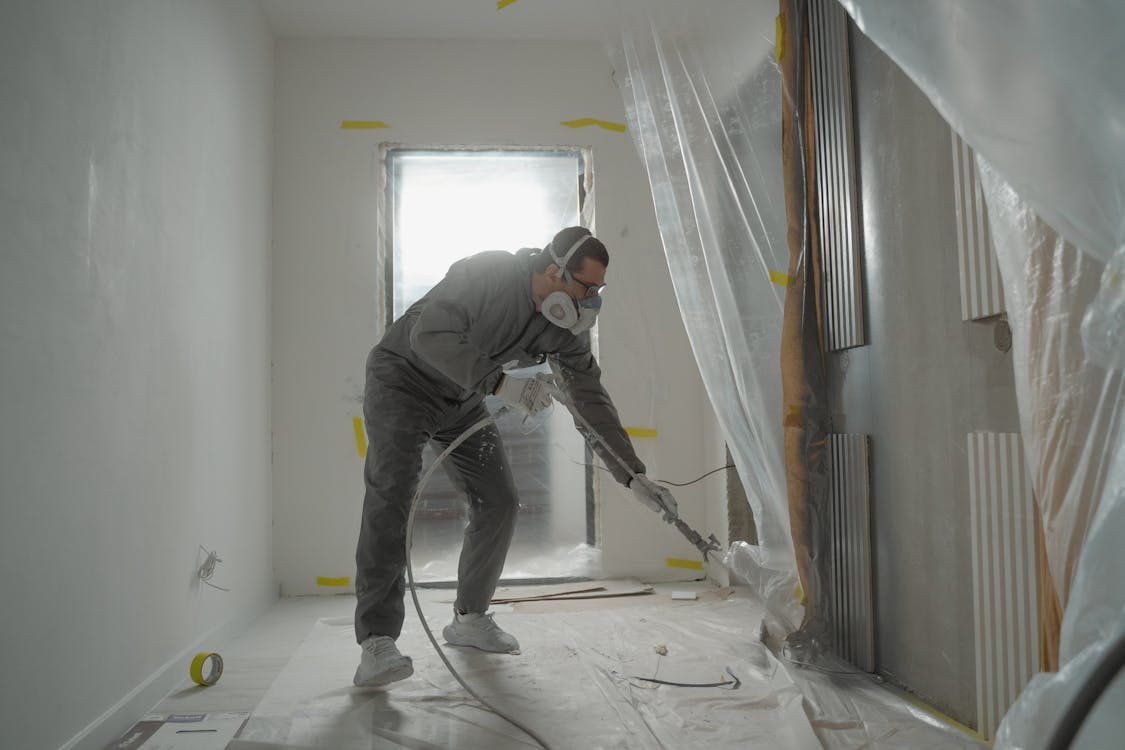
Industrial waterborne polyurethane coatings represent one of the largest and most mature application segments for this chemistry. Applied to metal, concrete, wood, and composite substrates across manufacturing, infrastructure, and construction environments, Waterborne Polyurethanes for industrial coatings are valued for their chemical resistance, abrasion resistance, UV stability, and adhesion to difficult substrates.
A waterborne polyurethane coating designed for metal protection must contend with harsh operational conditions: acids, alkalis, mechanical stress, and temperature cycling. Compliance with OSHA chemical safety standards further reinforces the industry move toward low-emission coating systems. For flooring applications, water borne polyurethane systems have become the standard in commercial and institutional settings, replacing solvent-heavy finishes. The ability to formulate water based PU coatings with fast dry times and practical recoat windows, without sacrificing hardness development, has made them viable across high-throughput production lines. Every Waterborne Polyurethane supplier serving this segment must demonstrate rigorous batch-to-batch consistency, as industrial coating systems are frequently applied through automated spray, roll, or curtain-coat equipment calibrated to narrow viscosity and solids specifications.
Adhesives
The transition from solvent-based to water-based adhesives has been one of the most significant developments in bonding technology over the past two decades. Polyurethanes for Adhesives bring a combination of high bond strength, flexibility, and substrate versatility that few alternative chemistries can match across wood, textile, foam, and laminate bonding. A water based polyurethane adhesive is formulated to deliver peel strength, shear resistance, and open time characteristics that suit furniture assembly, footwear manufacturing, and lamination processes alike.
Unlike solvent-based counterparts, water-based adhesives eliminate the need for solvent recovery systems and significantly reduce worker exposure to hazardous materials, an important consideration under frameworks such as ISO 14001 environmental management standards. For any polyurethane material suppliers active in the adhesives market, the ability to deliver a precise water based PU dispersion with tight particle size and viscosity control is critical to ensuring consistent processability on customer production lines. A qualified Polyurethanes Chemicals Supplier in this space brings not only the right chemistry but the formulation expertise to support customer technical teams through scale-up and production optimization.
Textile Applications
Waterborne Polyurethanes textile applications span a broad range of end uses, from performance sportswear and outdoor gear to industrial workwear, upholstery, and technical fabrics. The combination of flexibility, breathability, and durability makes water based polyurethane the finishing chemistry of choice for manufacturers seeking to meet both performance and regulatory requirements simultaneously.
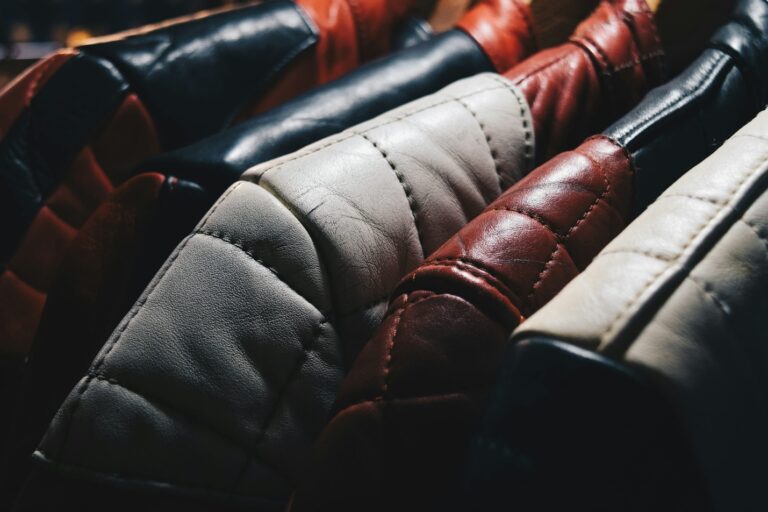
In textile finishing, a water based polymer system applied as a coating or laminating layer imparts water repellency, abrasion resistance, and dimensional stability without the stiffness associated with older film-forming chemistries. Waterborne Polyurethanes for Plastic substrates also intersect with the textile sector in synthetic leather production, where a waterborne polyurethane coating applied over a woven or nonwoven base creates the surface handle and durability expected in premium upholstery and footwear materials. Selecting the right Water Based Polyurethane supplier for textile applications requires evaluating film elongation, wet adhesion performance, and compatibility with downstream dyeing and finishing processes specific to each fabric construction.
Packaging Applications
The packaging industry demands coatings that perform across flexible and rigid substrates under a variety of mechanical and environmental stresses. waterborne polyurethane dispersions used in packaging applications must deliver excellent ink adhesion, heat seal compatibility, and resistance to moisture and grease. As brand owners face mounting pressure to reduce the environmental footprint of their packaging lines, the role of water polyurethane chemistry in enabling recyclable and low-migration coating solutions has grown considerably. Industry bodies representing the coatings sector have tracked consistent growth in waterborne adoption across flexible and corrugated packaging markets over the past several years.
A Polyurethanes Chemicals Supplier operating in this space must balance coating performance with food contact compliance, particularly for primary packaging applications where content migration is a regulatory concern. The formulation flexibility of Water Based Polyurethane Dispersions makes them well-suited to meeting these dual performance and compliance demands across a wide range of packaging formats.
Sourcing and Supply Considerations
Whether procuring bulk polyurethane for large-scale manufacturing operations or wholesale polyurethane for industrial distribution, the selection of a qualified water based polyurethane manufacturer is a critical supply chain decision. A capable manufacturer provides not only a compliant and consistent product but also technical documentation, application support, and regulatory data sheets that reduce time-to-qualification for new formulations. When evaluating a polyurethane supplier, key criteria include production capacity, ISO certifications, lead time reliability, and the ability to customize formulations for specific end-use requirements.
Partner with SIWO US
SIWO US is a trusted polyurethane material supplier serving manufacturers across coatings, adhesives, textiles, and packaging industries. Whether you require waterborne polyurethane dispersions for a specialized industrial application or are looking for a reliable polyurethane supplier with the technical depth to support your production at scale, SIWO US has the expertise and supply capacity to deliver. Visit www.siwo-us.com to explore their full product range, request technical data sheets, or speak with a formulation specialist about your application requirements.