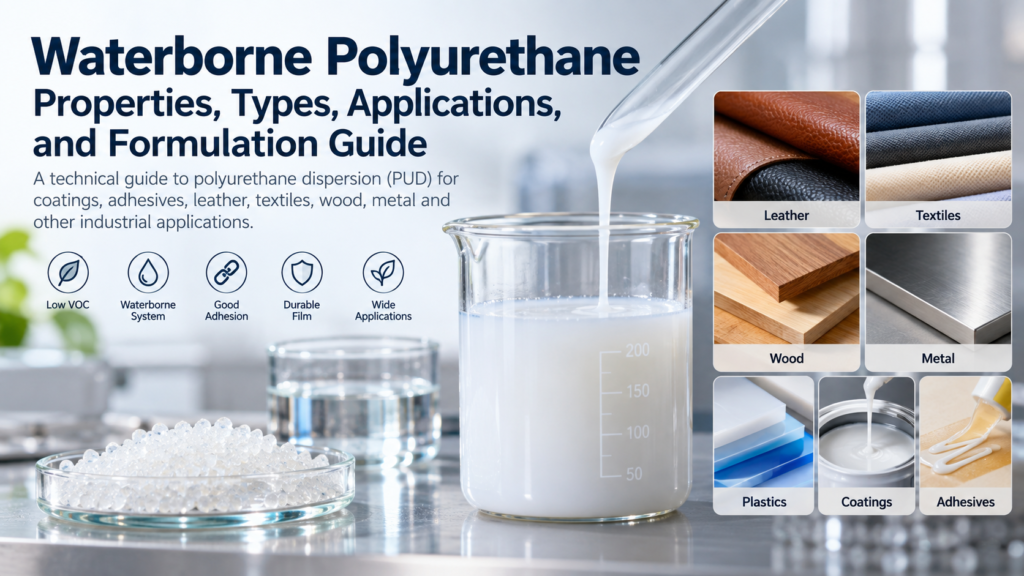
Waterborne polyurethanes (WPUs) are a class of polymer dispersions in which water serves as the primary carrier medium instead of organic solvents. This fundamental shift in formulation has made them a cornerstone of modern sustainable materials science, particularly as industries move away from volatile organic compounds (VOCs) due to environmental and regulatory pressures.
Unlike conventional solvent-based polyurethanes, WPUs offer a reduced environmental footprint while maintaining strong mechanical integrity, chemical resistance, and adaptability across multiple industrial sectors. Their growing adoption is linked not only to environmental compliance but also to advancements in polymer chemistry that have significantly improved performance characteristics.
Today, WPUs are widely used in coatings, adhesives, textiles, construction materials, and biomedical systems. Their versatility stems from tunable molecular design, allowing researchers and manufacturers to tailor hardness, elasticity, hydrophobicity, and durability based on application requirements.
Chemistry and Structural Design
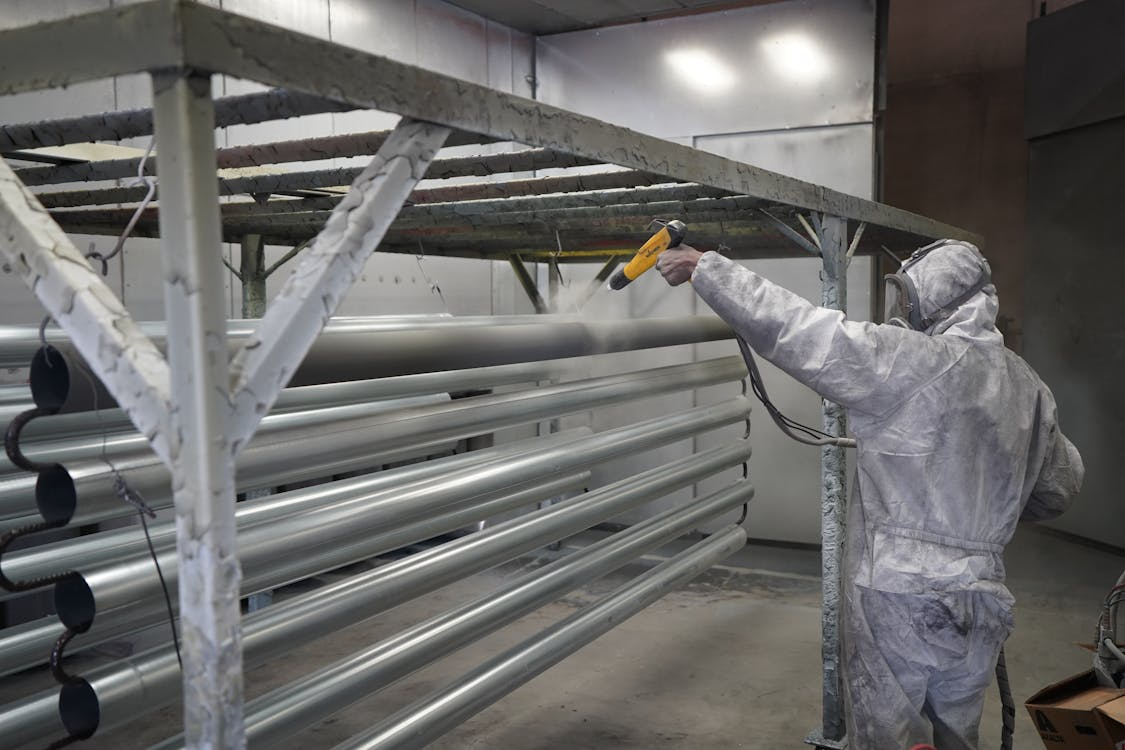
Waterborne polyurethanes are typically synthesized through a step-growth polymerization process involving diisocyanates and polyols, followed by dispersion into water using hydrophilic chain extenders. The resulting polymer forms a stable colloidal system with distinct phase-separated morphology.
The structure of WPUs consists of two primary segments:
- Hard segments: These are formed from isocyanates and chain extenders, contributing to tensile strength, thermal stability, and rigidity.
- Soft segments: Derived from long-chain polyols, these provide flexibility, elasticity, and impact resistance.
The microphase separation between hard and soft segments is critical in determining final material performance. Strong hydrogen bonding within hard segments enhances mechanical strength, while soft segments provide elasticity and elongation properties.
Recent research highlights the superiority of polyester-based polyols over polyether-based systems in applications requiring enhanced mechanical strength and chemical resistance. This is due to improved intermolecular interactions and crystallinity.
Sustainability and Green Chemistry Advancements
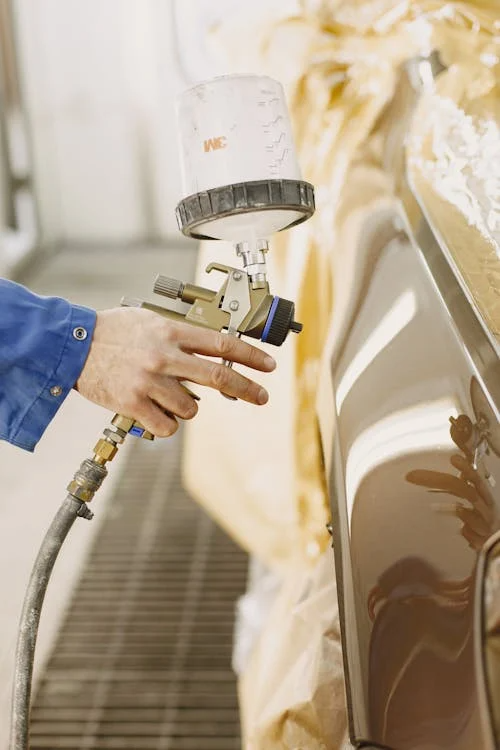
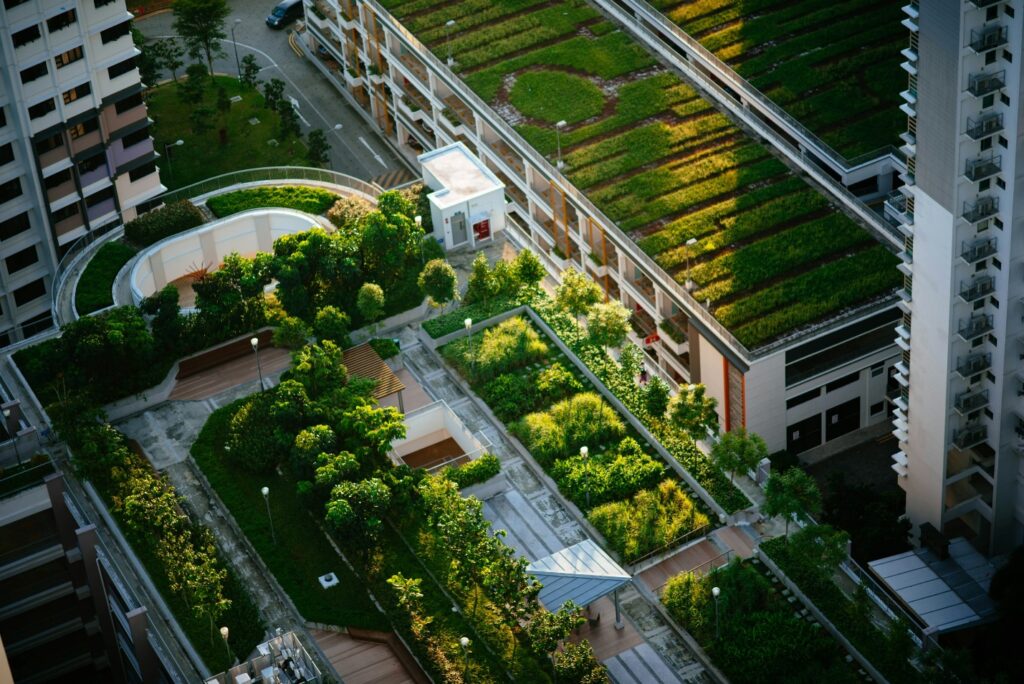
One of the strongest drivers of WPU development is sustainability. Traditional polyurethane systems rely heavily on organic solvents and petroleum-based feedstocks, which contribute to environmental pollution and carbon emissions. WPUs address this challenge by replacing solvents with water and incorporating renewable raw materials.
Key sustainability advancements include:
- Bio-based polyols derived from vegetable oils such as soybean and castor oil
- Recycling of PET waste into functional polyol precursors
- Reduction or elimination of VOC emissions in manufacturing processes
- Improved lifecycle performance through durable formulation design
These innovations align WPUs with green chemistry principles and circular economy frameworks, where material reuse and reduced environmental impact are prioritized.
Performance Enhancements and Functionalization
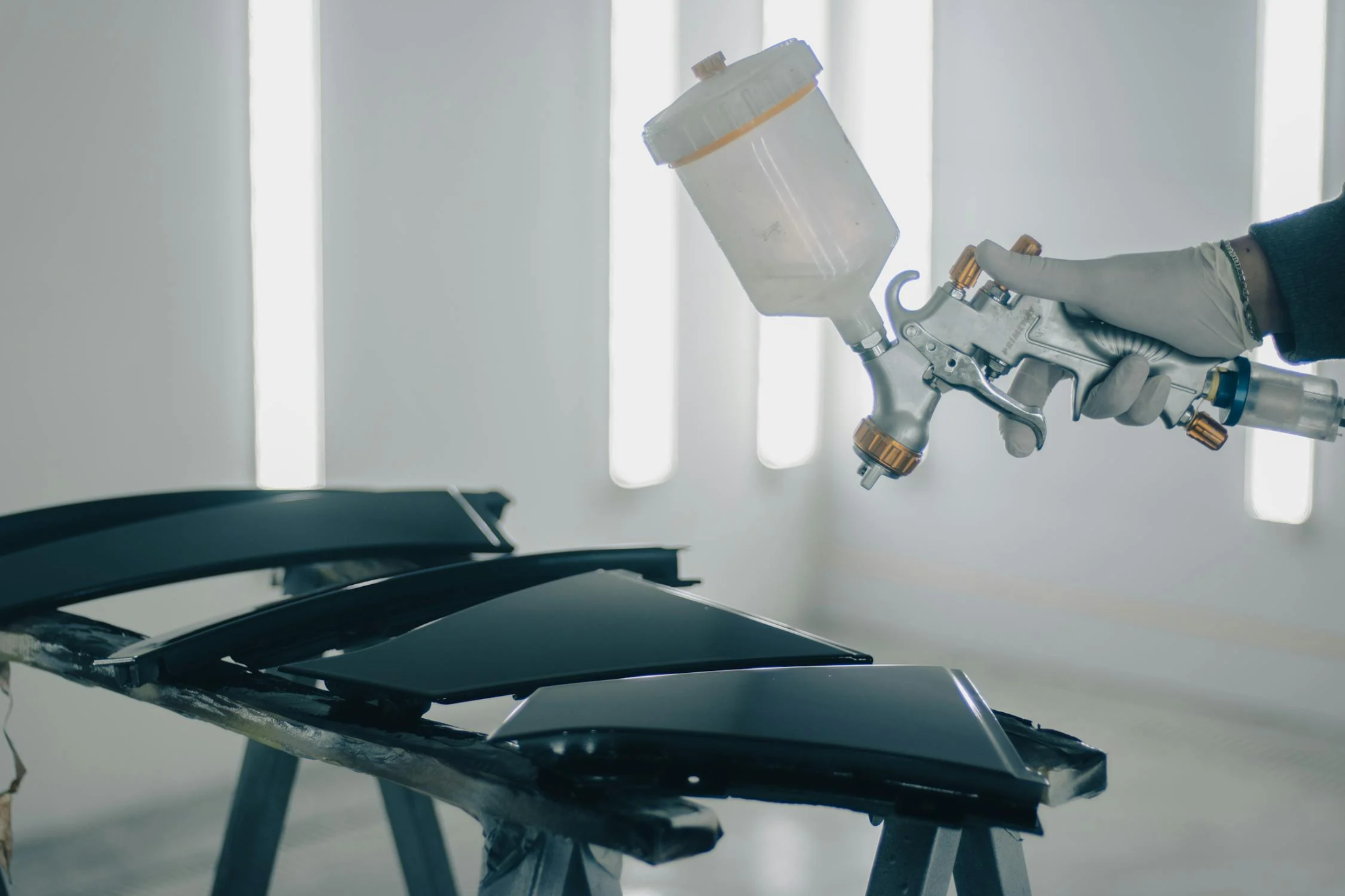
The evolution of WPU technology has significantly expanded its performance capabilities beyond traditional coating applications. Modern systems are engineered at the molecular level to achieve enhanced mechanical, thermal, and functional properties.
Mechanical and Thermal Improvements
Advancements in polymer architecture have led to WPUs with improved tensile strength, abrasion resistance, and thermal stability. Crosslinking strategies and optimized hard-segment distribution enhance structural integrity under stress conditions.
Nanocomposite Reinforcement
The incorporation of nanomaterials such as silica nanoparticles, graphene derivatives, and nanocellulose has become a key innovation pathway. These additives improve barrier properties, mechanical strength, and wear resistance while maintaining flexibility.
Functional and Smart Coatings
Emerging WPU systems are being designed with responsive behavior, allowing them to adapt to environmental stimuli such as temperature, humidity, and mechanical stress. These smart coatings are particularly relevant in advanced industrial and protective applications.
Industrial Applications

Coatings Industry
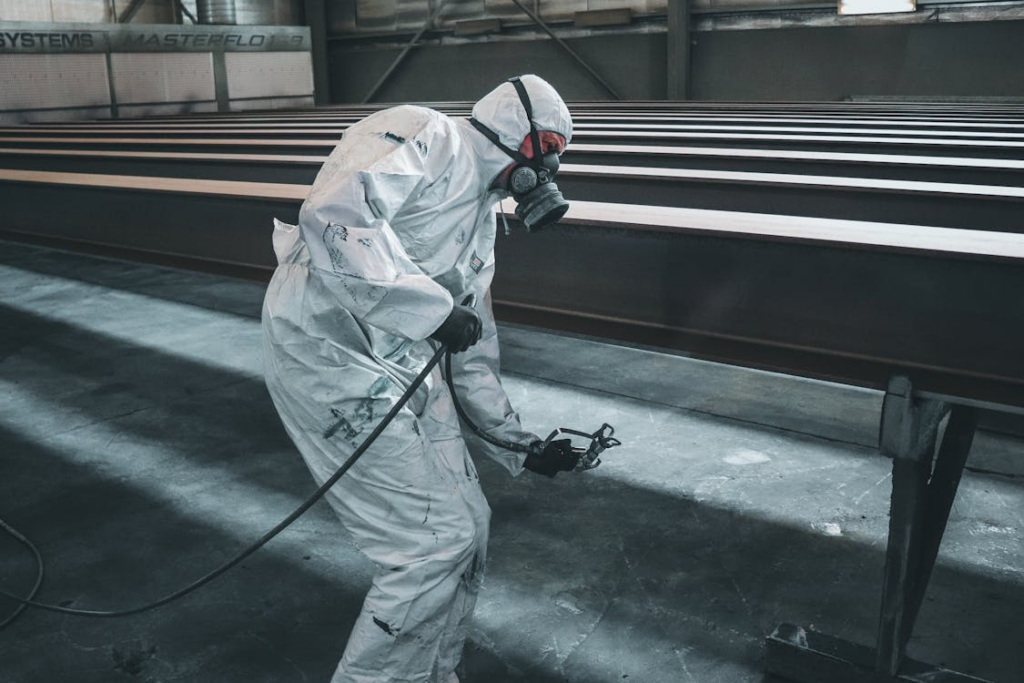
WPUs are extensively used in architectural, automotive, and industrial coatings. They provide excellent adhesion, weather resistance, and long-term durability. Their low-VOC nature makes them compliant with modern environmental regulations.
Adhesives and Sealants
In adhesive systems, WPUs offer strong bonding strength combined with flexibility. This makes them ideal for packaging, footwear, construction, and flexible assembly applications where movement and stress tolerance are required.
Textile and Leather Finishing
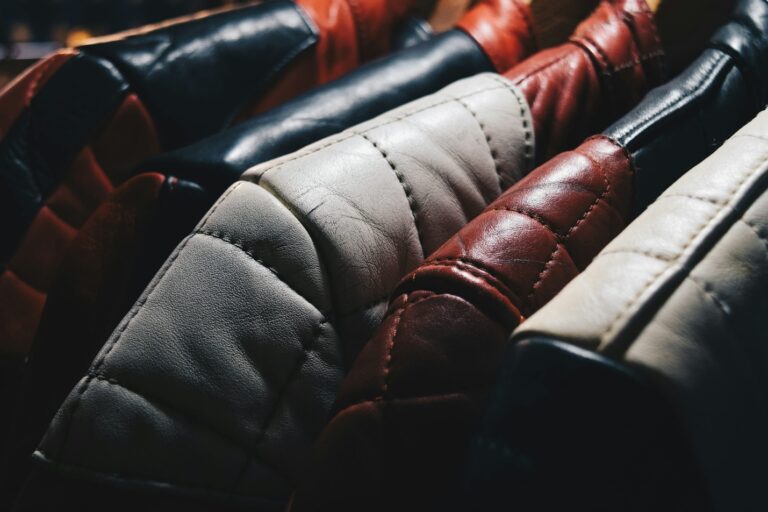
WPUs enhance softness, abrasion resistance, and water repellency in textile and leather applications. They are widely used in synthetic leather production and high-performance fabrics.
Biomedical Applications
Due to their biocompatibility, WPUs are used in wound dressings, controlled drug delivery systems, and medical adhesives. Their tunable degradation and mechanical properties make them suitable for specialized healthcare applications.
Market and Technological Trends
The global WPU market is expanding rapidly due to increasing regulatory restrictions on solvent-based coatings and growing demand for sustainable materials. However, challenges remain in achieving full performance parity with solvent-based polyurethane systems in extreme industrial conditions.
Key technological trends include:
- Development of high-solid-content dispersions for improved efficiency
- Enhanced hydrophobic modifications to improve water resistance
- Hybrid systems combining organic polymers with inorganic nanostructures
- Increased use of renewable and biodegradable feedstocks
Manufacturers are also focusing on scalability and cost optimization to accelerate commercial adoption across emerging markets.
Future Research Directions
The future of WPU technology lies in the convergence of sustainability, nanotechnology, and advanced polymer design. Several promising research directions are shaping the next generation of materials:
- Fully bio-based polyurethane systems derived from renewable feedstocks
- Recyclable and reprocessable polymer networks supporting circular material lifecycles
- Self-healing coatings capable of repairing micro-damage autonomously
- Multi-functional smart coatings with sensing and adaptive capabilities
- Hybrid organic-inorganic systems for extreme performance applications
These developments are expected to significantly expand the use cases of WPUs in high-performance engineering environments.
Final Outlook and Industry Implications
Waterborne polyurethanes represent a critical evolution in polymer science, balancing environmental responsibility with advanced functional performance. Their ability to replace solvent-based systems while delivering comparable or superior mechanical properties makes them essential for future industrial applications.
As regulatory frameworks continue to tighten globally, WPUs will play an increasingly central role in sustainable manufacturing. Their integration into coatings, adhesives, construction materials, textiles, and biomedical systems reflects their versatility and adaptability.
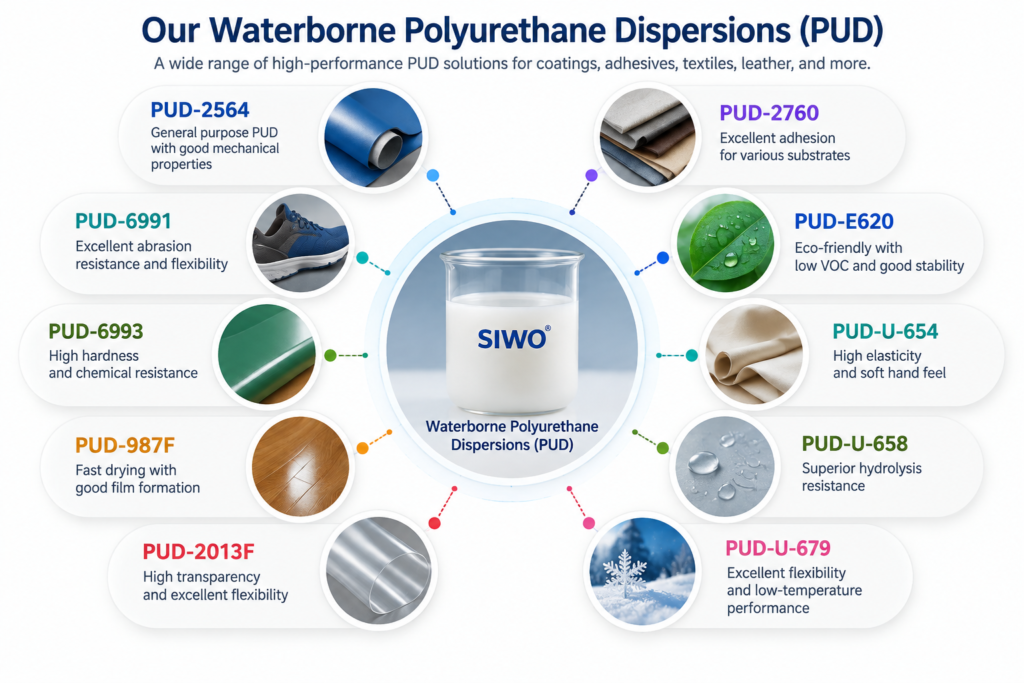
Ongoing innovation from industry participants such as SIWO US is helping accelerate the development and commercialization of advanced waterborne polyurethane technologies. Through continued research and material optimization, WPUs are positioned to become a foundational material in the transition toward greener, high-performance industrial systems.