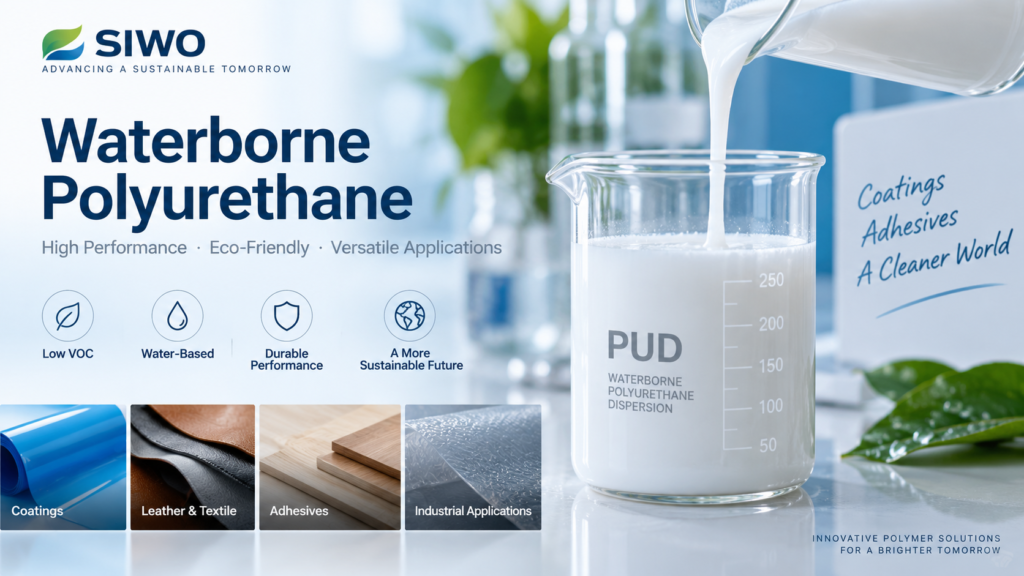
The adoption of NMP-free waterborne polyurethanes is increasing across industrial manufacturing due to stricter environmental regulations and workplace safety standards. N-methyl-2-pyrrolidone (NMP) has been widely used in polyurethane dispersion processes, but it is now restricted in many regions due to health and exposure concerns.
As a result, manufacturers are shifting toward waterborne systems that eliminate NMP while maintaining dispersion stability and performance across coatings, adhesives, inks, and flexible material applications.
Regulatory and Safety Drivers
The primary driver for NMP-free systems is regulatory compliance. Chemical safety frameworks such as REACH and similar regional standards require reduced exposure to hazardous solvents in industrial production environments.
In addition to compliance requirements, workplace safety is a key consideration. Eliminating NMP reduces occupational exposure risks and simplifies handling procedures in large-scale manufacturing. This is particularly relevant in continuous production environments where operator exposure can be prolonged.
Formulation Approach in NMP-Free Systems
Modern NMP-free waterborne polyurethanes rely on improved internal emulsification methods rather than external solvent stabilization. Polymer chains are dispersed using controlled hydrophilic modifications and ionic stabilization techniques.
Key formulation parameters include particle size control, prepolymer design, and chain extension chemistry. These factors ensure that dispersion stability is maintained without the use of high-boiling organic solvents.
Recent developments in hydroxyl-functional and polycarbonate-based systems have further improved mechanical strength and hydrolysis resistance in solvent-free systems.
Performance in Industrial Applications
NMP-free polyurethane dispersions are widely used in coatings for textiles, leather, wood, and industrial substrates. These systems provide balanced mechanical properties, including tensile strength, elongation, and abrasion resistance.
In waterborne polyurethane coating, film formation remains consistent under standard drying conditions, and adhesion performance is maintained across a range of substrates such as metal, plastic, and fabric. For flexible materials, these systems provide resistance to bending fatigue and environmental aging, making them suitable for footwear, upholstery, and technical textiles.
Adhesives and Flexible Bonding Systems
Adhesive applications represent a significant use case for NMP-free polyurethane dispersions. These systems are used in lamination, packaging, and assembly processes where strong bonding and flexibility are required.
Formulations can be adjusted to achieve different activation temperatures and bond strengths. This allows their use in both heat-activated and room-temperature bonding systems. In packaging applications, they provide stable adhesion to substrates such as PET, BOPP, PVC, and coated paper, while maintaining flexibility under mechanical stress.
Inks and Packaging Applications
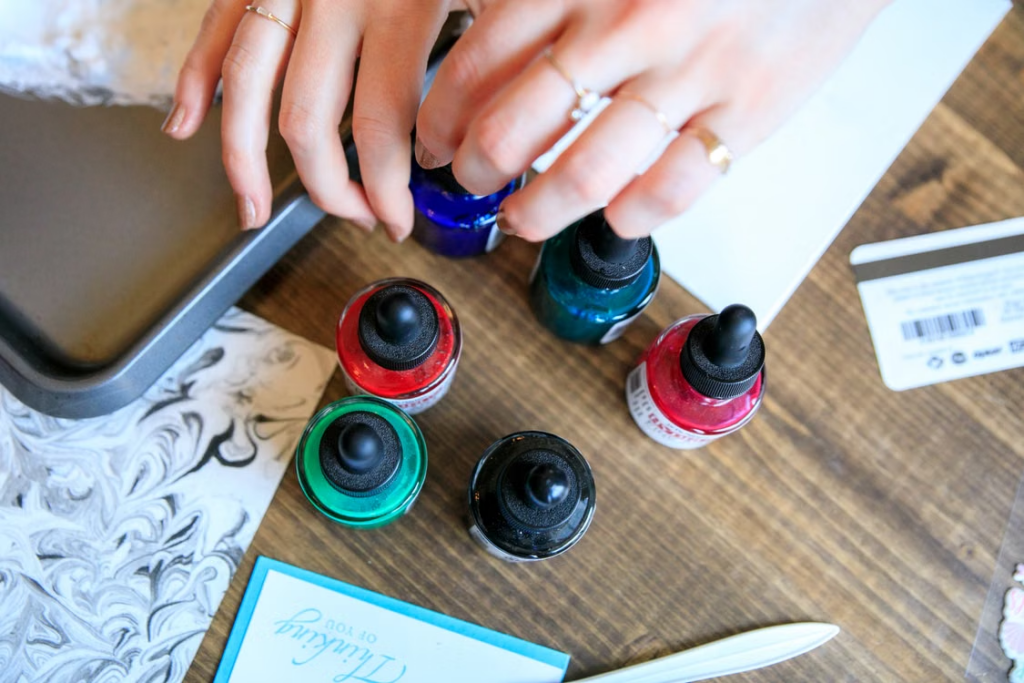
In printing ink systems, NMP-free polyurethane dispersions act as binders that improve pigment stability and film integrity. They enhance adhesion to low-energy substrates and support high-speed printing processes. In water-based polyurethane dispersions, controlled viscosity and particle distribution help ensure consistent print quality and reduced surface defects. These systems are widely used in flexible packaging, labeling, and graphic arts applications. They also support both matte and gloss finishing requirements, depending on formulation design.
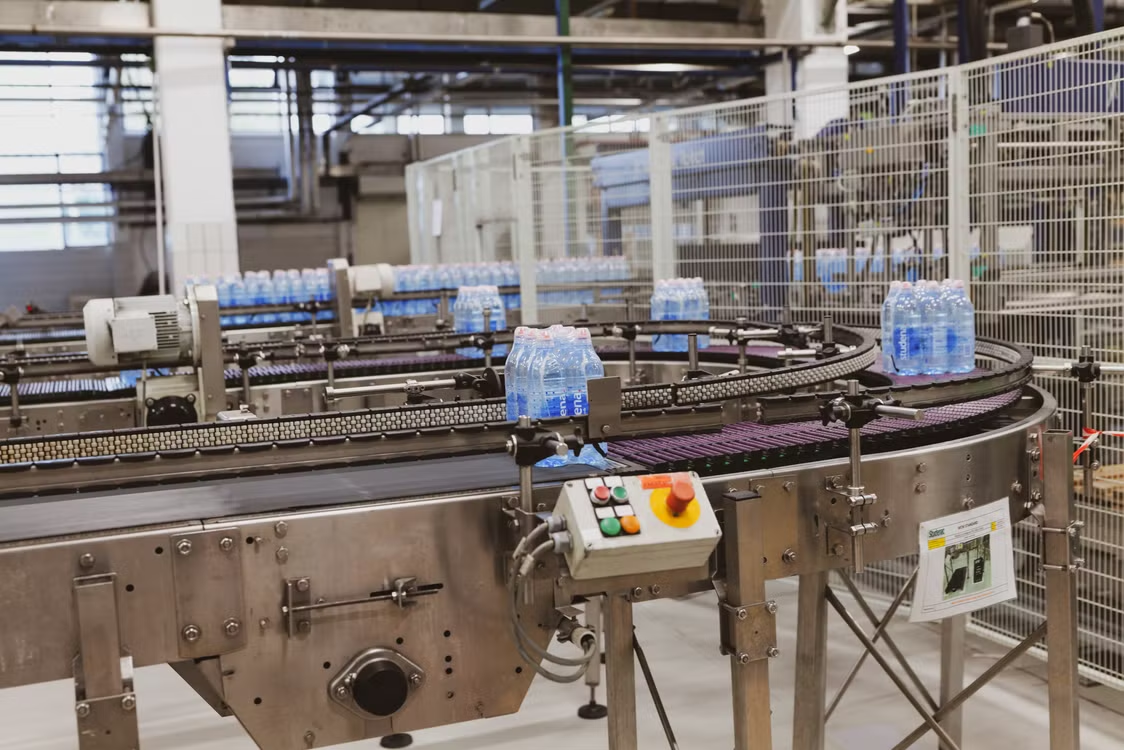
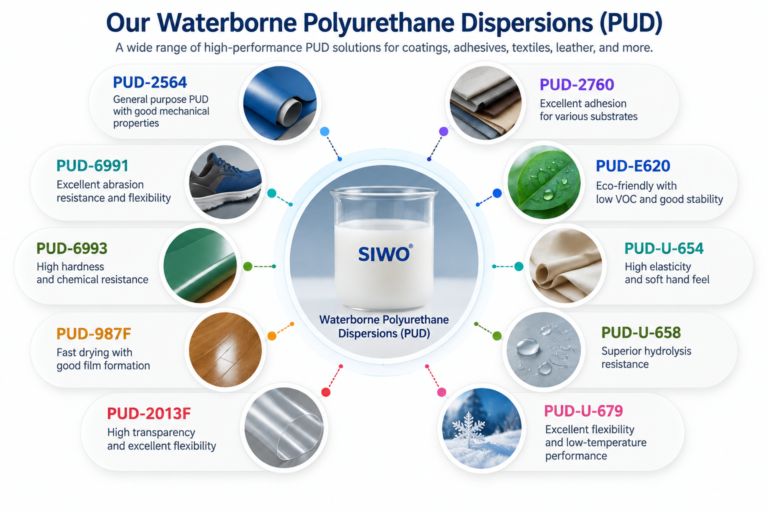
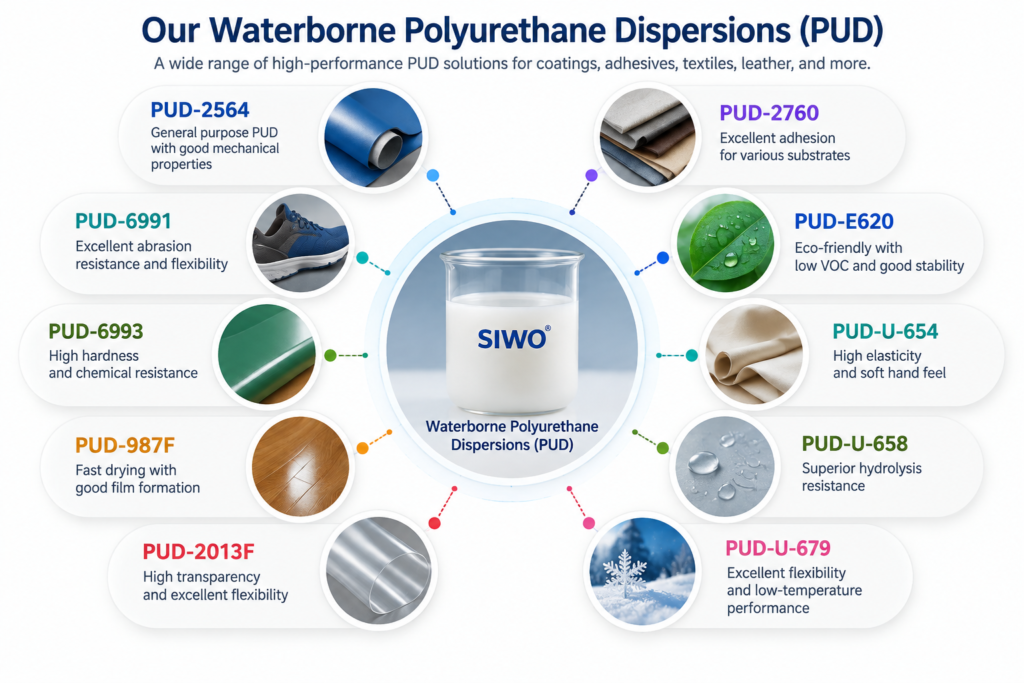
At SIWO US, we develop and supply NMP-free waterborne polyurethanes for modern industrial requirements. Our portfolio includes water-based polyurethane dispersions for coatings, adhesives, inks, and packaging applications where safety and performance are equally important. We also provide industrial waterborne polyurethane coatings and water-based PU for textiles. Our solutions are engineered for consistent processing, regulatory compliance, and scalable production across industrial manufacturing environments.
Contact us now.