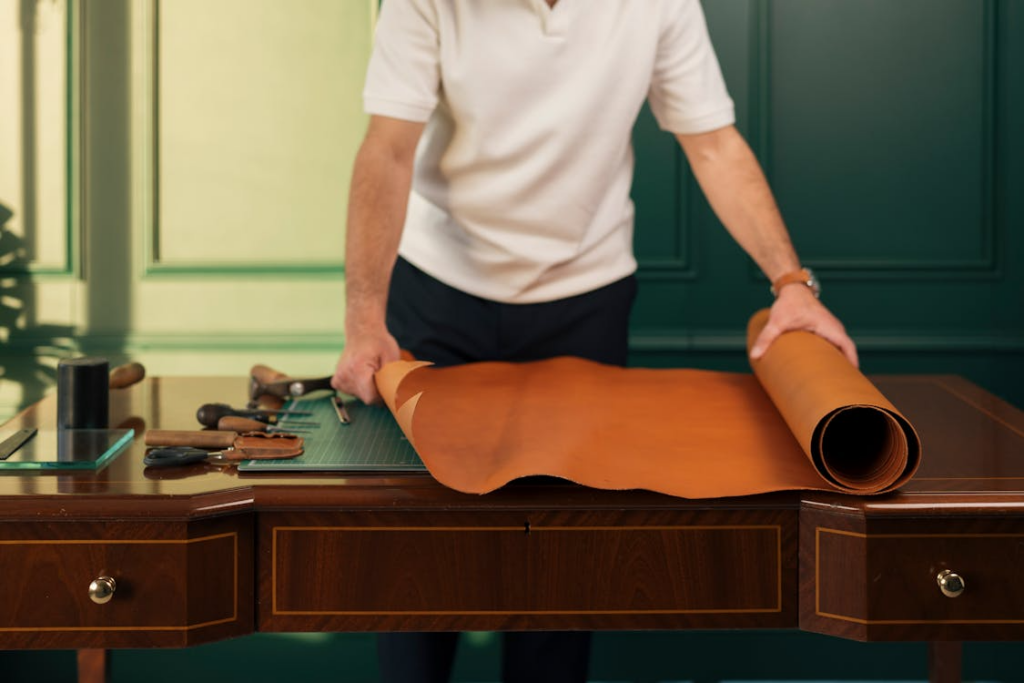
Manufacturers today face increasing pressure to reduce weight while maintaining mechanical integrity. From industrial coatings to advanced composites, lighter materials translate into easier handling, improved efficiency, and lower transportation costs. In this evolving landscape, waterborne polyurethanes have emerged as a compelling solution, offering a balance of flexibility, toughness, and environmental responsibility without compromising performance expectations.
What Makes WPUs Uniquely Lightweight
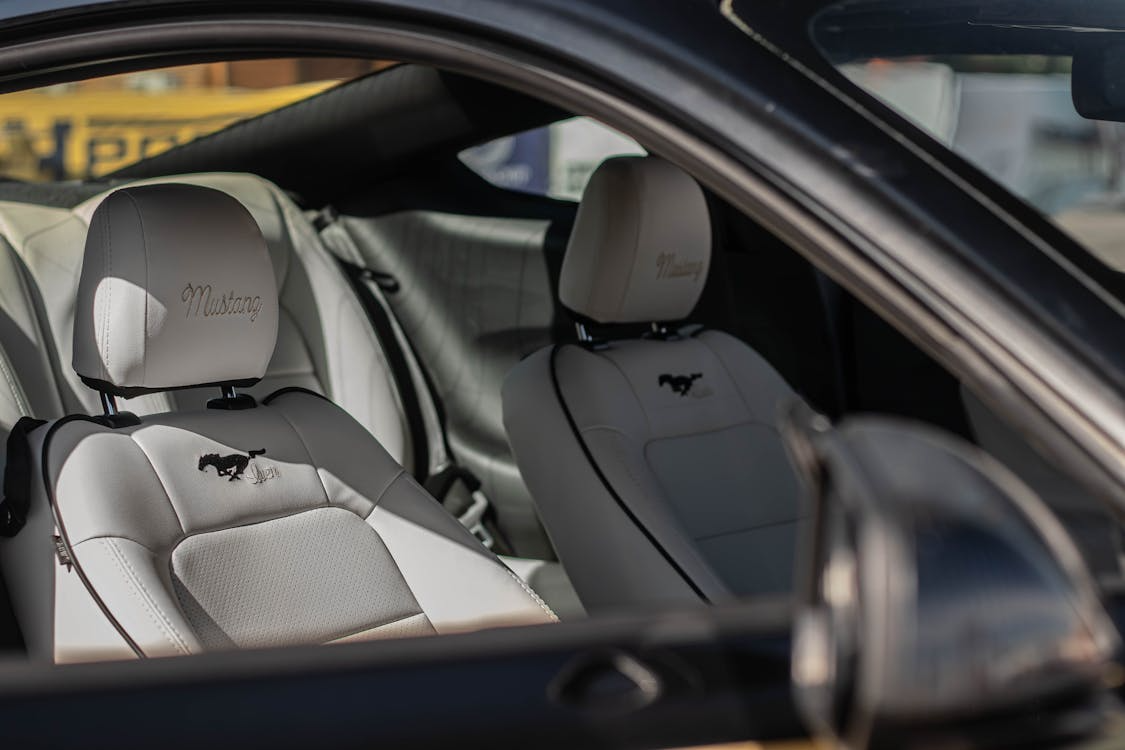
Waterborne polyurethane dispersions are engineered at the molecular level to deliver high performance with reduced material mass. Their polymer chains can be tailored to create thin yet resilient films, allowing manufacturers to achieve desired strength with less material. This lightweight nature supports streamlined designs while still meeting demanding structural and functional requirements across multiple applications.
Strength through Smart Chemistry
Despite their reduced weight, WPUs are known for impressive tensile strength, abrasion resistance, and adhesion. This strength is achieved through carefully controlled crosslinking and polymer architecture. By optimizing hard and soft segments within the polymer, WPUs maintain load bearing capacity and surface durability even in thin applications. This makes them well suited for coatings, adhesives, and flexible substrates where reliability is critical.
Design Flexibility across Industries
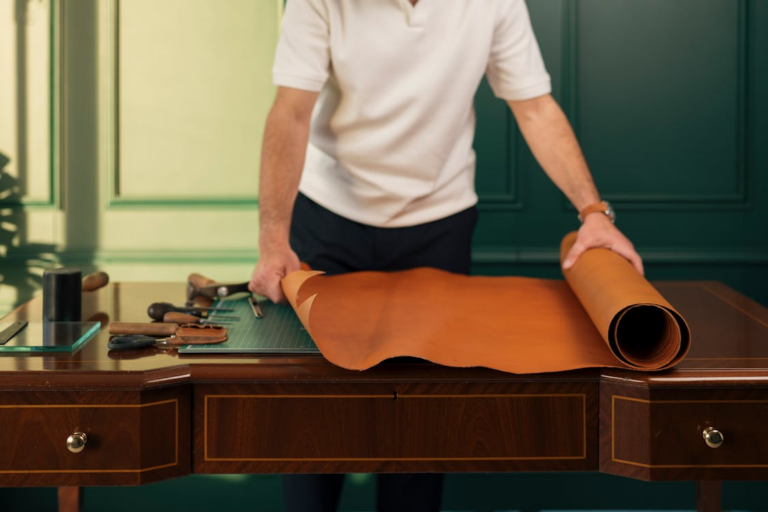
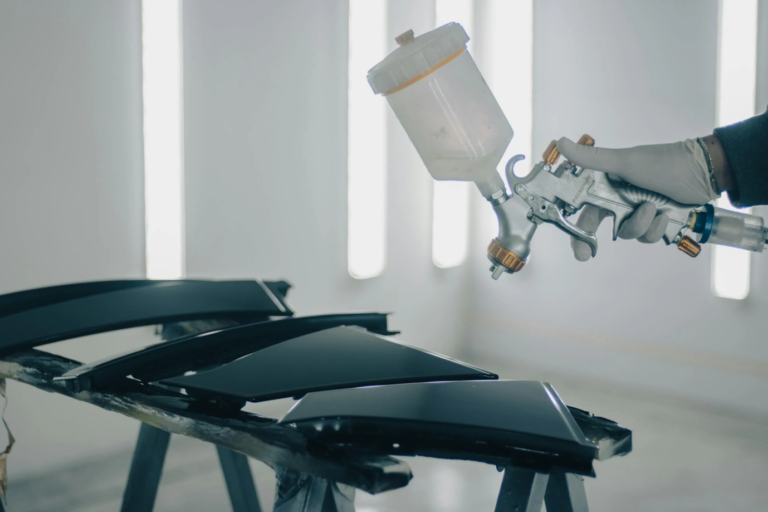
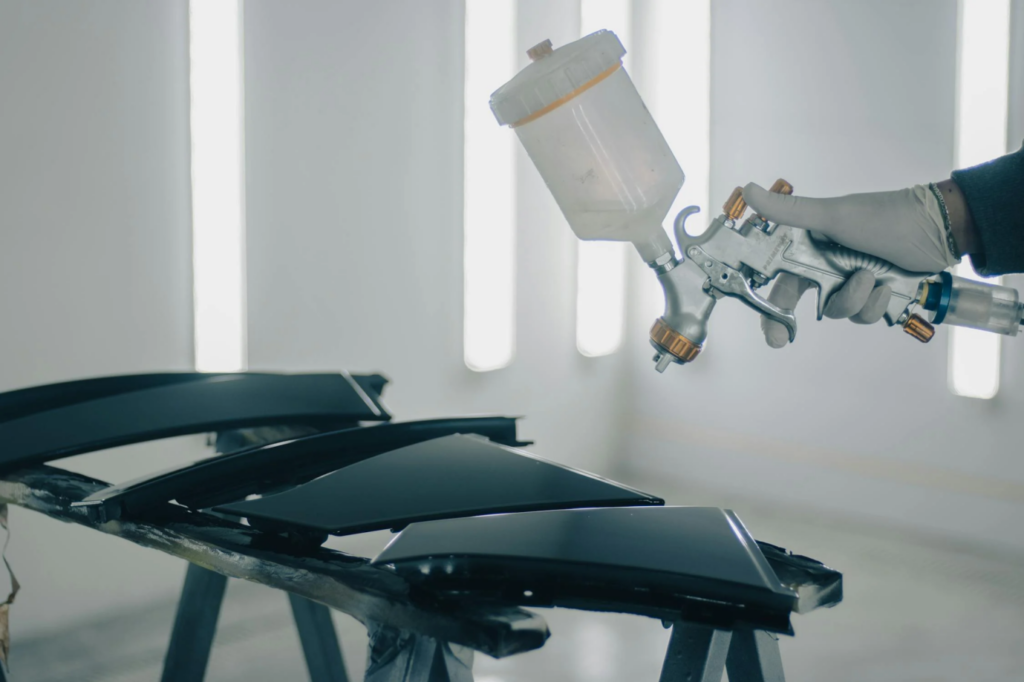
One of the key advantages of WPUs is their adaptability. In automotive interiors, they support lightweight components that contribute to overall vehicle efficiency. In textiles and synthetic leathers, they provide strength and flexibility without adding bulk. Industrial coatings benefit from uniform coverage and strong substrate bonding, enabling lighter designs that still withstand mechanical stress and regular use.
Environmental and Processing Benefits
Beyond physical performance, WPUs align with sustainability goals. Their water-based formulation reduces reliance on solvents, supporting safer manufacturing environments and compliance with regulatory standards. Lightweight application also means reduced material consumption, which further enhances resource efficiency. From a processing standpoint, WPUs are compatible with common application methods, helping manufacturers integrate them into existing workflows with minimal disruption.
Supporting Innovation without Compromise
As industries continue to push for smarter, lighter, and more efficient products, material selection plays a pivotal role. WPUs enable designers and engineers to rethink traditional trade-offs between weight and strength. By leveraging advanced polymer science, these materials support innovation across sectors while maintaining durability and performance consistency.
The Future of Lightweight Strength
Lightweight design is no longer a niche objective but a core requirement for competitive manufacturing. WPUs demonstrate that reducing weight does not require sacrificing strength or reliability. With ongoing advancements in formulation technology, their role in next-generation products is set to expand, supporting stronger, lighter, and more responsible designs.
Experience High-Performance Waterborne Polyurethane Dispersions Like Never Before with SIWO US
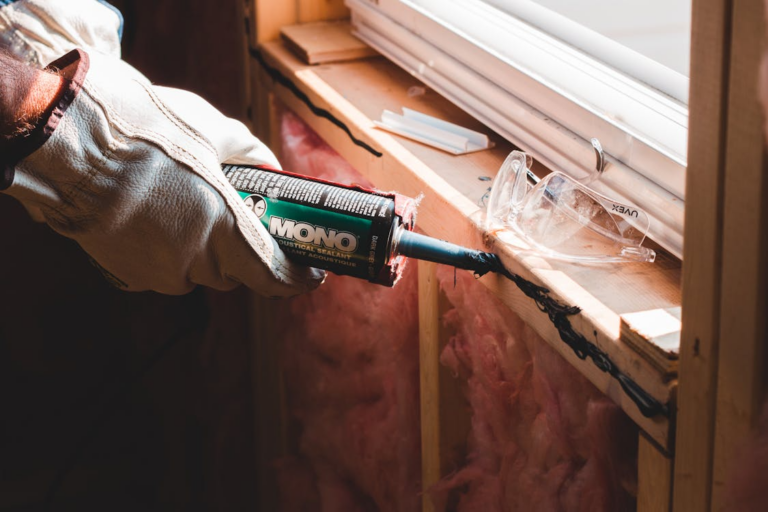
Partner with SIWO US, a trusted polyurethane manufacturer and water based polyurethane supplier. Our waterborne polyurethane dispersions support industrial coatings, waterbased adhesives, and textiles, delivering consistent performance from a reliable polyurethane material supplier for demanding applications worldwide and scalable solutions. Contact us now to learn more.