Consumer expectations for footwear and synthetic leather products continue to evolve alongside stricter environmental regulations and manufacturing standards. Today’s manufacturers are expected to deliver products that combine comfort, flexibility, durability, and attractive finishes while reducing emissions associated with traditional production processes. As a result, waterborne polyurethane technology has become an increasingly important material for brands seeking high-performance solutions with a lower environmental impact.
Waterborne polyurethane footwear applications have expanded significantly in recent years because polyurethane dispersions (PUDs) offer excellent mechanical performance, versatile processing capabilities, and compatibility with modern sustainable manufacturing practices. From athletic shoes and casual footwear to synthetic leather upholstery and fashion accessories, advanced PUD formulations help manufacturers achieve consistent product quality without relying heavily on solvent-based chemistries.
Meeting the Performance Requirements of Modern Footwear
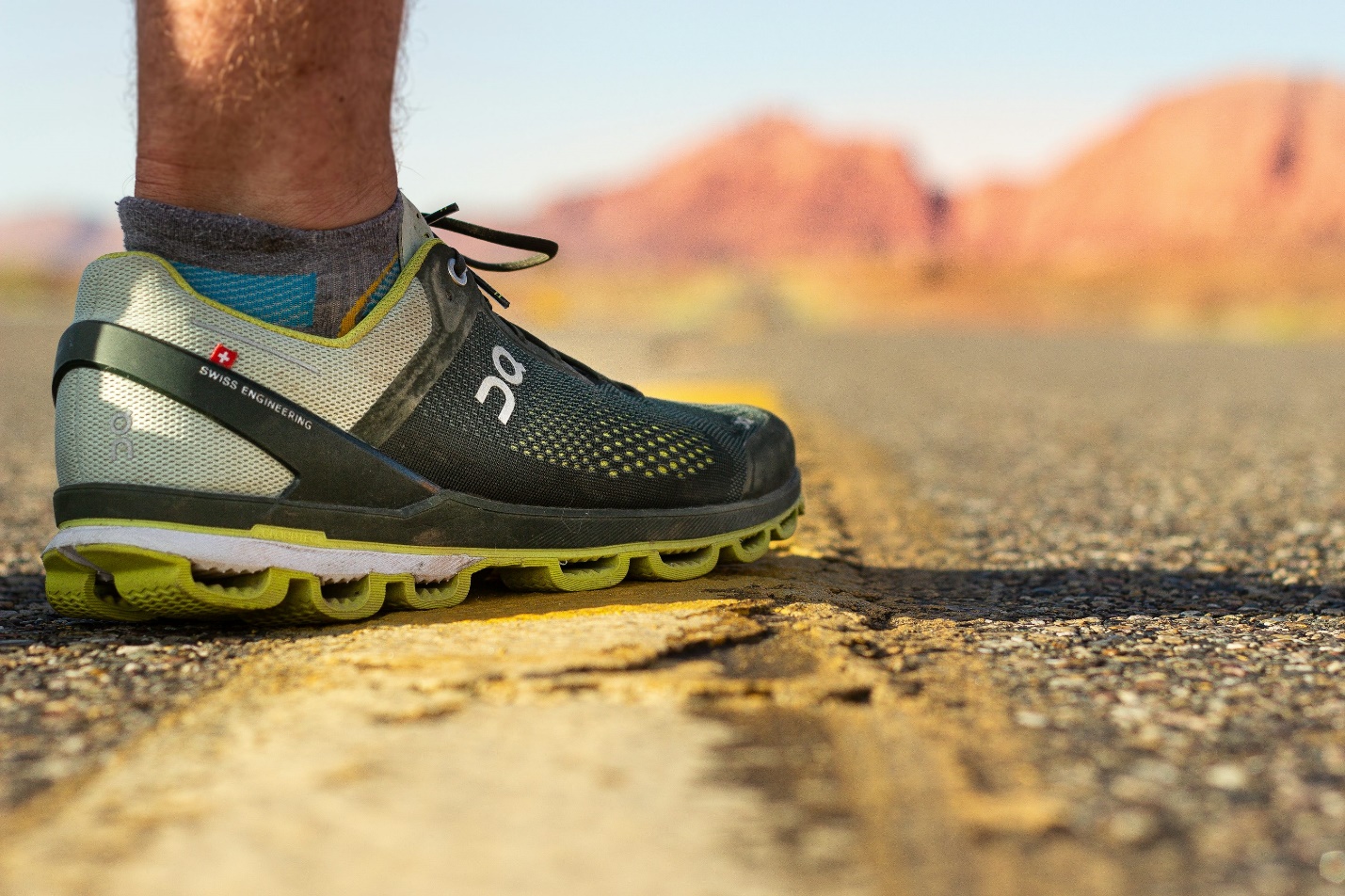
Footwear materials experience continuous mechanical stress throughout their service life. Every step subjects uppers, midsoles, and surface finishes to repeated bending, stretching, compression, and abrasion. Without the proper coating or bonding system, materials may crack, peel, lose flexibility, or show premature wear.
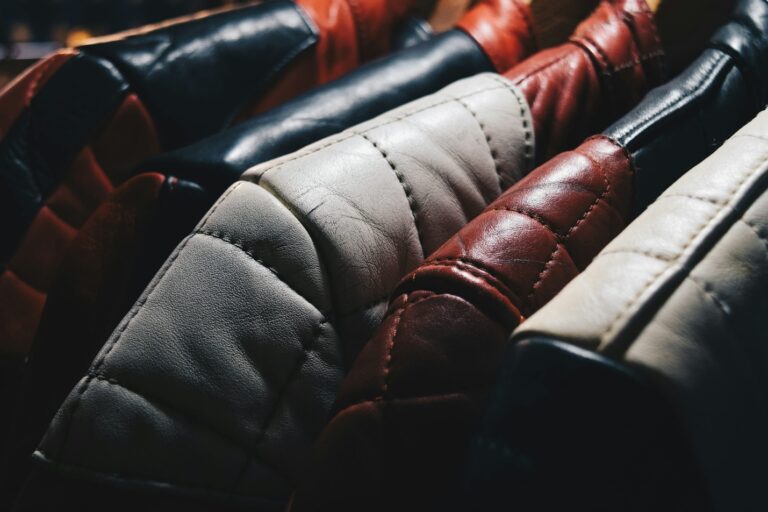
Manufacturers often select water based PU for synthetic leather because it provides excellent flexibility while maintaining strong adhesion to engineered substrates. This balance allows finished products to retain their appearance even after prolonged use and repeated flexing.
The ability to engineer different hardness levels also enables manufacturers to tailor polyurethane formulations for athletic footwear, work boots, fashion shoes, and specialty applications with varying performance requirements.
Why Waterborne Polyurethane Is Gaining Industry Acceptance
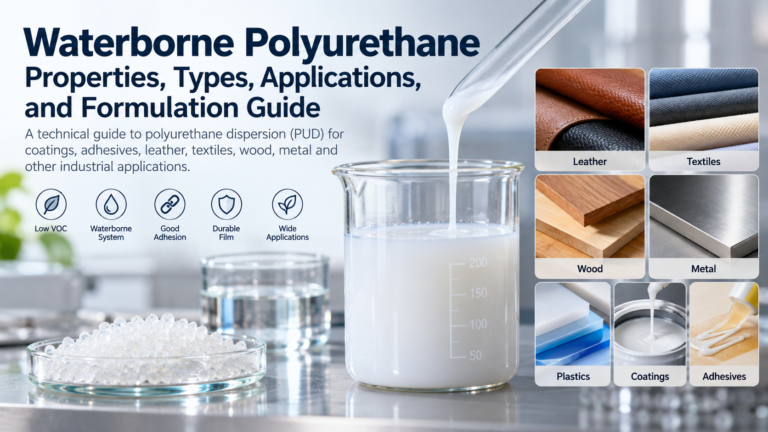
Polyurethane dispersions are aqueous polymer systems that reduce dependence on organic solvents while delivering many of the mechanical advantages traditionally associated with solvent-based polyurethane materials.
Advances in polymer chemistry have improved film formation, abrasion resistance, hydrolysis stability, and processing efficiency. These improvements allow manufacturers to meet demanding production schedules without compromising product performance.
Many production facilities now integrate Waterborne polyurethane into finishing and coating operations to support evolving environmental regulations while maintaining consistent manufacturing quality.
As sustainability becomes a larger purchasing consideration for global brands, waterborne technologies continue to gain momentum throughout the footwear supply chain.
Enhancing Synthetic Leather Performance
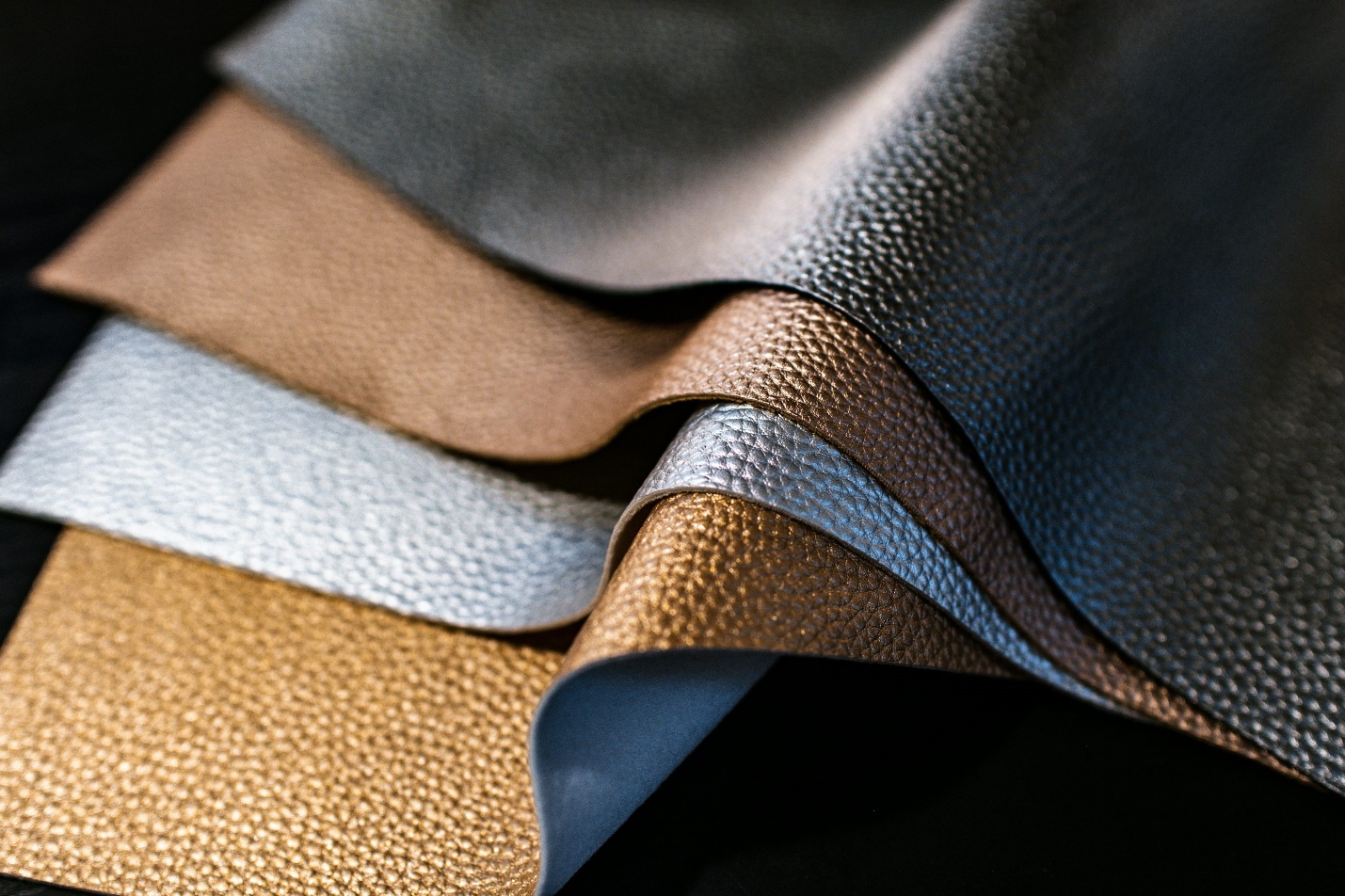
Synthetic leather must closely replicate the appearance, texture, and durability of natural leather while remaining economical and consistent in production. Surface finishes play a major role in determining both aesthetics and long-term performance.
High-quality self-matting PUD formulations allow manufacturers to create low-gloss finishes without relying on additional matting agents that may affect coating uniformity. This produces soft, natural-looking surfaces that meet current design trends while maintaining excellent wear resistance.
Depending on formulation objectives, polyurethane dispersions can also improve scratch resistance, stain resistance, and surface feel, providing designers with greater flexibility across multiple product categories.
Comfort Through Material Flexibility
Comfort remains one of the most important purchasing factors in footwear. Materials that become stiff or brittle after repeated movement can negatively affect user experience and product longevity.
Advanced water based PU for textile applications helps manufacturers produce flexible laminated fabrics and coated textiles that maintain softness throughout extended use. These materials can withstand continuous flexing without significant cracking or delamination, making them suitable for footwear uppers, linings, and performance fabrics.

This combination of flexibility and durability contributes to products that remain comfortable while maintaining structural integrity.
Reliable Adhesion Across Complex Manufacturing Processes
Modern footwear production involves multiple bonding stages that connect textiles, foams, synthetic leather, rubber, and polymer components into a finished product. Strong adhesion between these materials is essential for maintaining long-term durability.
Many manufacturers utilize Waterbased adhesives developed with polyurethane chemistry because they provide dependable bonding performance while supporting cleaner production environments. Proper adhesive selection also helps improve manufacturing consistency by reducing bond failures during assembly.
Careful formulation allows adhesive systems to balance initial tack, open time, curing behavior, and final bond strength according to production requirements.
Resistance to Everyday Wear
Footwear materials are exposed to moisture, body oils, dirt, cleaning agents, and varying environmental conditions throughout their service life. Surface coatings must protect the substrate without sacrificing flexibility or appearance.
Modern water based PU dispersion technology can be engineered to improve resistance to abrasion, hydrolysis, and environmental aging. These characteristics help coated materials maintain color stability, surface integrity, and mechanical performance under demanding conditions.
For manufacturers producing premium footwear, maintaining these performance characteristics throughout the product lifecycle contributes directly to customer satisfaction.
Supporting Sustainable Manufacturing Goals
Environmental compliance has become a strategic priority for footwear manufacturers serving global markets. Many international brands now require suppliers to reduce VOC emissions, improve workplace safety, and adopt more sustainable production practices.
The use of water based polymer technology supports these initiatives by reducing solvent content during manufacturing while maintaining excellent coating performance. Waterborne formulations may also simplify compliance with increasingly strict environmental regulations across multiple regions.
As companies pursue broader sustainability objectives, adopting advanced polyurethane dispersions can contribute to cleaner manufacturing processes without sacrificing product quality.
Selecting the Right Polyurethane Formulation
No single polyurethane system is suitable for every footwear application. Material selection depends on numerous technical factors, including substrate compatibility, desired flexibility, abrasion resistance, processing method, drying conditions, and final product requirements.
An experienced Water Based Polyurethane supplier can help manufacturers evaluate these variables and recommend formulations that align with production objectives. Laboratory testing remains essential for validating coating performance before commercial-scale implementation.
Close collaboration between material suppliers and product development teams often leads to improved manufacturing efficiency and more consistent product performance.
At SIWO US Inc., we work closely with footwear manufacturers, synthetic leather producers, and formulation teams to help identify polyurethane technologies that align with specific production goals and application requirements. Whether you’re developing a new product or refining an existing formulation, we are committed to helping you achieve dependable performance with advanced waterborne polyurethane solutions.
Contact SIWO US Inc. today to discuss your application requirements, request technical guidance, or learn more about our polyurethane technologies for footwear and synthetic leather manufacturing.