Adhesion technology is undergoing a meaningful transformation as manufacturers look for smarter, cleaner, and more efficient bonding solutions. Waterborne polyurethanes, commonly known as WPUs, are gaining rapid adoption across industries that rely on consistent bonding performance. As demand grows for polyurethanes for adhesives that balance strength, safety, and process efficiency, WPUs are redefining how modern adhesion systems are designed.
What Are Waterborne Polyurethanes
Waterborne polyurethanes are polymer systems dispersed in water rather than solvent based carriers. This structure allows them to deliver reliable adhesion while supporting cleaner production environments. Once applied, water evaporates and leaves behind a flexible yet strong polymer film that bonds effectively to a wide range of substrates.
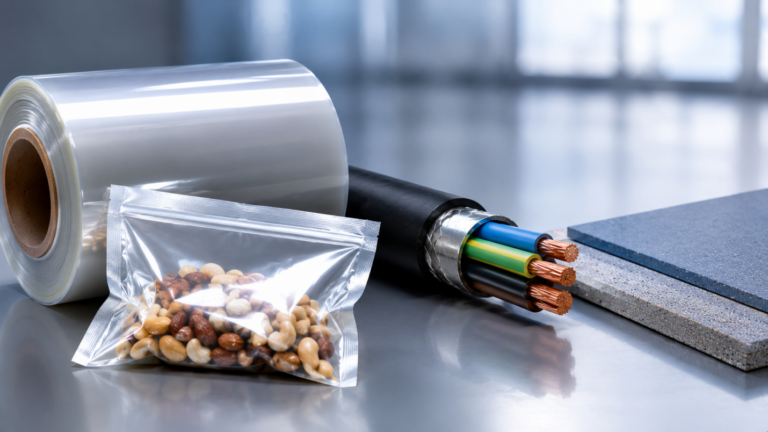
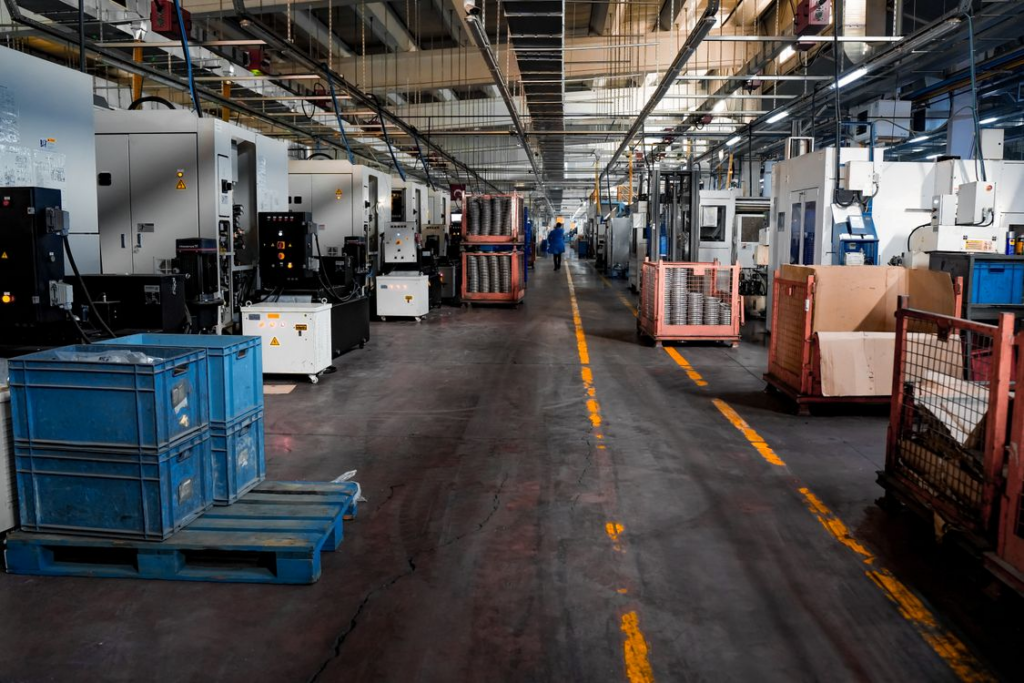
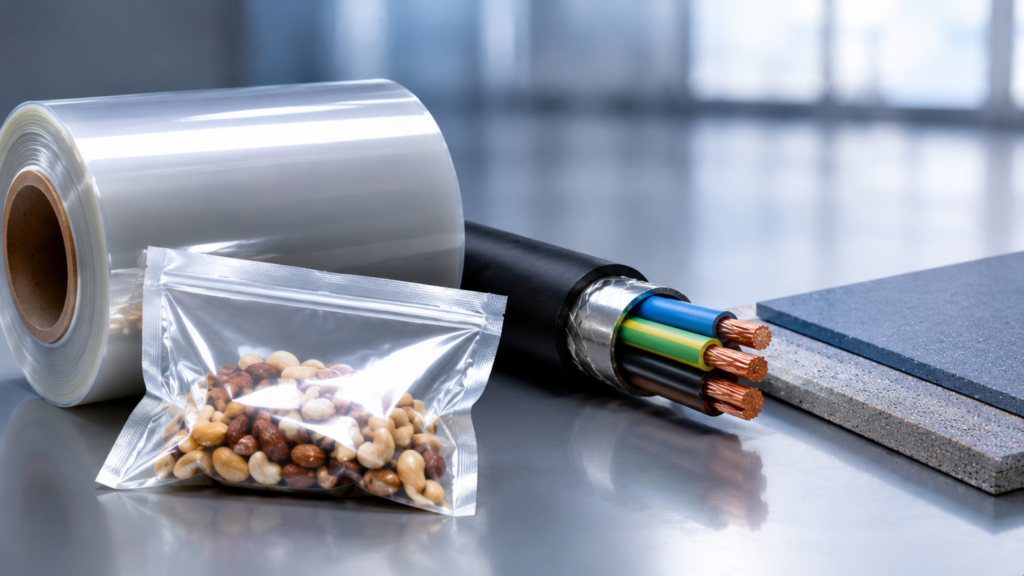
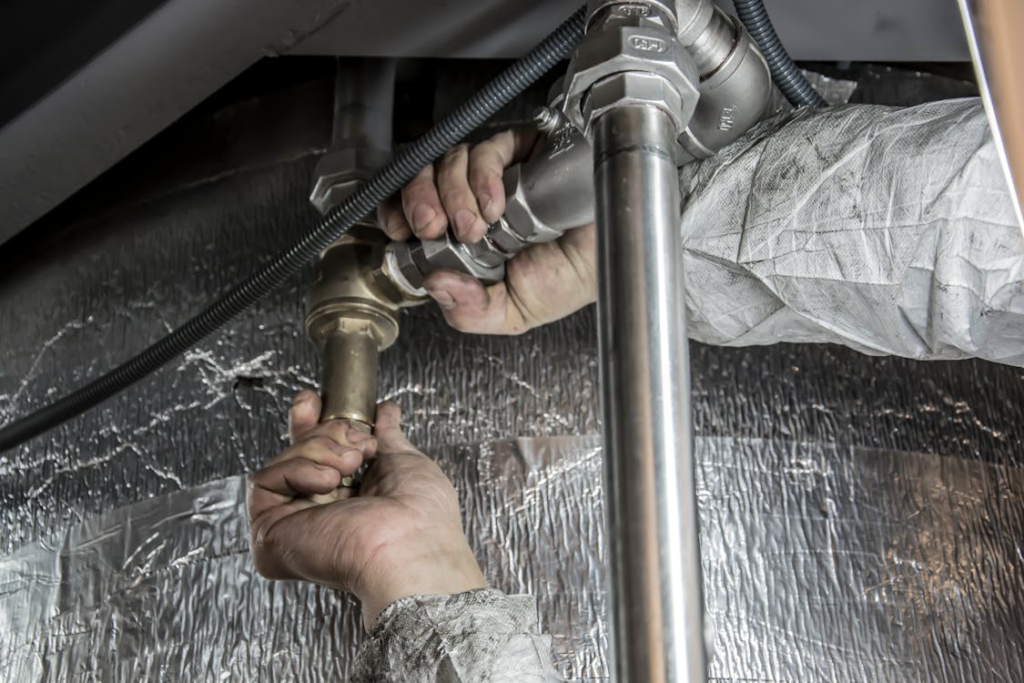
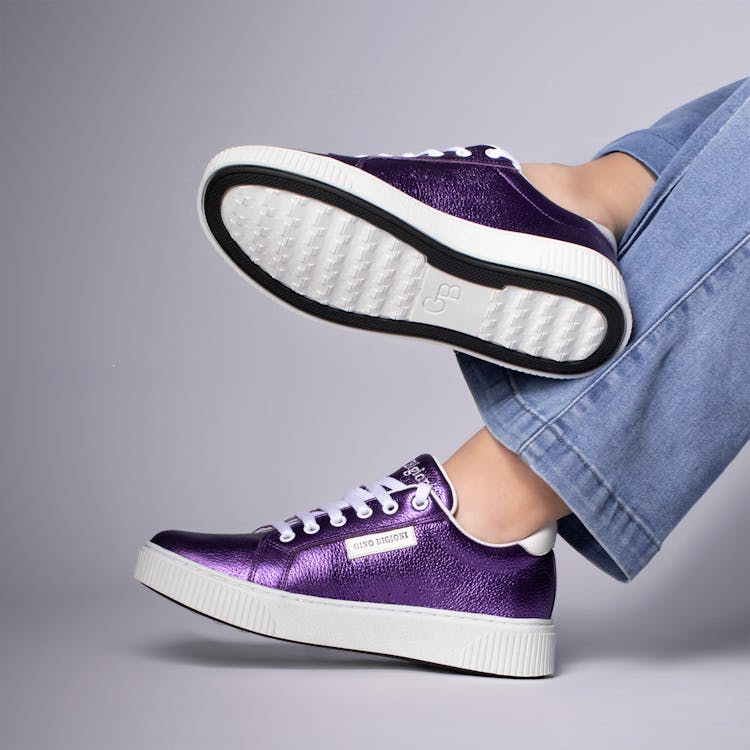
WPUs are used in applications ranging from packaging and textiles to automotive components and construction materials. Their compatibility with different surfaces makes them a preferred choice for manufacturers seeking adaptable adhesive solutions.
Key Drivers Behind the Industry Shift
One of the main reasons manufacturers are switching to WPUs is improved workplace safety. Lower odor and reduced chemical exposure make these systems easier to handle during production. This shift also supports compliance with evolving environmental and regulatory standards.
WPUs also offer strong performance characteristics. They provide excellent flexibility, peel strength, and resistance to mechanical stress. These qualities are critical in applications where bonded materials must endure movement, temperature changes, or repeated use without failure.
Consistent Performance Across Applications
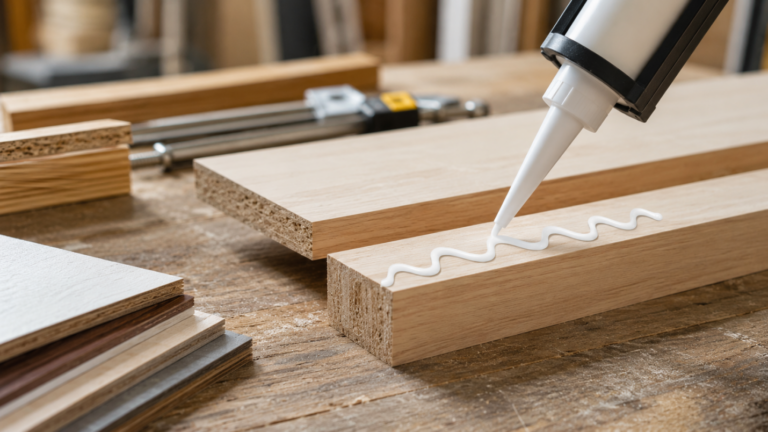
Manufacturers value WPUs for their ability to maintain consistent bonding performance across diverse applications. Whether used in laminating films, bonding foams, or assembling composite materials, WPUs create uniform adhesive layers that enhance product reliability.
Their formulation can be adjusted to meet specific needs such as faster setting times or increased elasticity. This customization allows manufacturers to fine tune adhesive systems without changing their core chemistry or production processes.
Supporting Modern Manufacturing Processes
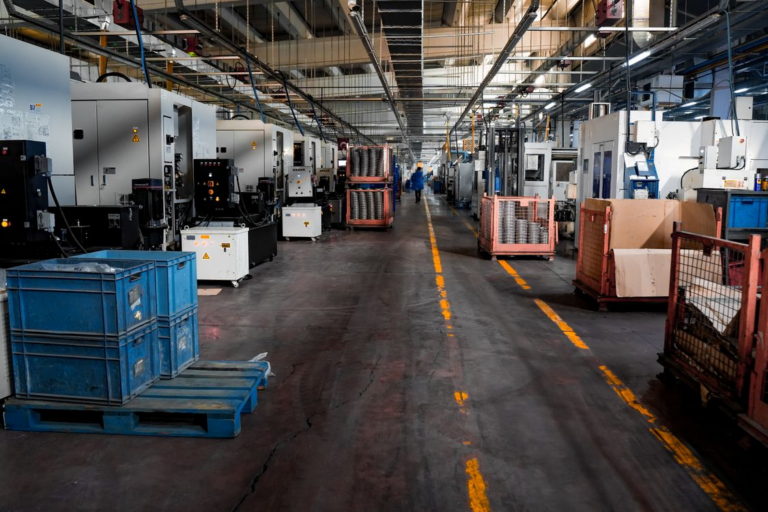
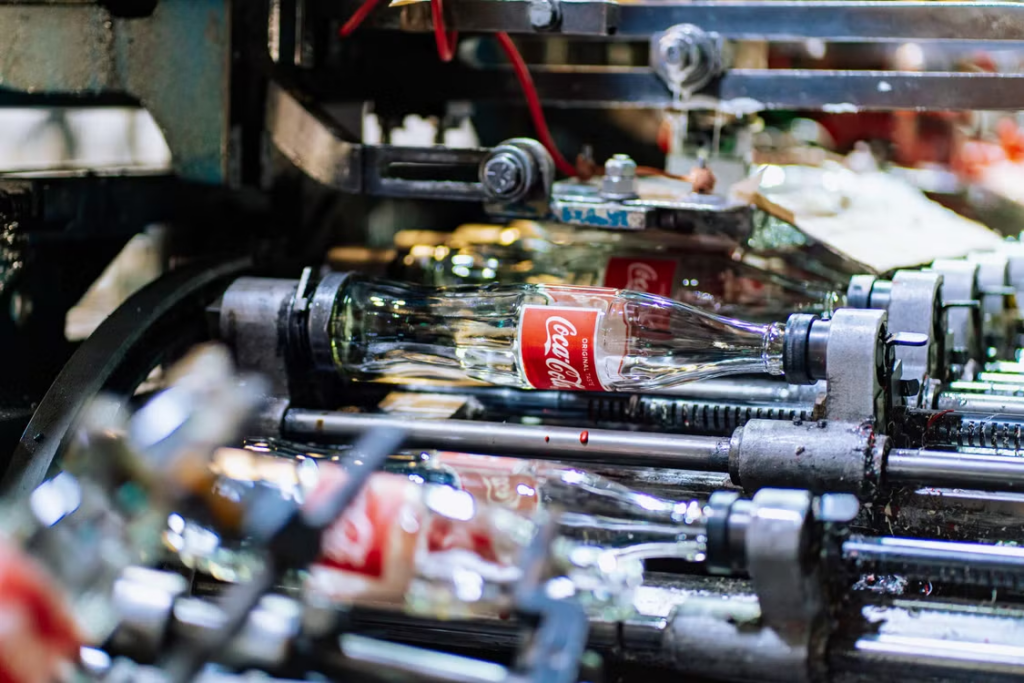
WPUs integrate well into automated and high speed manufacturing environments. Their stable dispersion properties allow for smooth application through spray, roll, or coating systems. This compatibility reduces downtime and improves overall process efficiency.
Cleanup and maintenance are also simplified, as equipment can often be cleaned with water. This reduces operational complexity and supports streamlined production workflows.
Sustainability as a Strategic Advantage
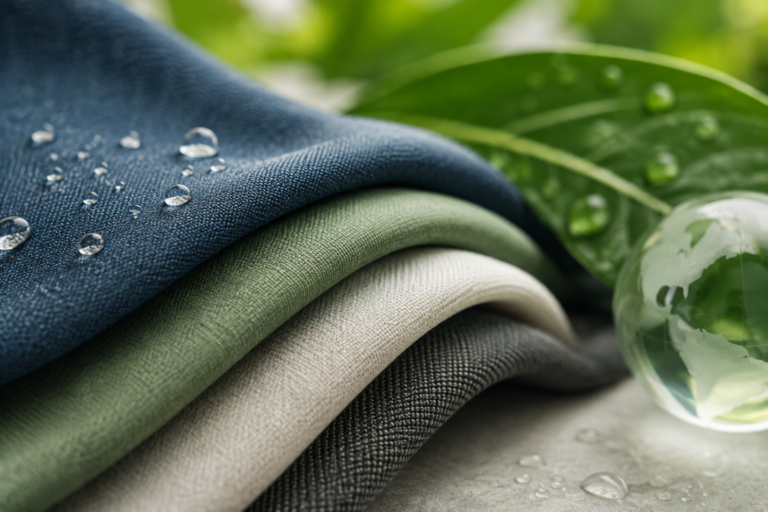
Sustainability is no longer optional in manufacturing. WPUs help manufacturers reduce environmental impact while maintaining performance expectations. Their lower volatile organic compound content supports better indoor air quality and aligns with green manufacturing initiatives.
By adopting WPUs, companies demonstrate a commitment to responsible production practices while meeting market expectations for safer and more sustainable products.
The Future of Adhesion Technology
As industries continue to innovate, WPUs are positioned to play a central role in the future of adhesion. Their balance of performance, adaptability, and environmental responsibility makes them a strategic choice for manufacturers rethinking traditional adhesive systems.
Upgrade Your Adhesive Systems with Advanced WPU Solutions from SIWO US
Discover how waterborne polyurethanes and polyurethanes for adhesives can elevate performance and efficiency. SIWO US delivers innovative adhesion technologies tailored for modern manufacturing. Contact SIWO US today to discuss your application needs and get started.