Meta:
Waterborne polyurethane dispersions are commonly categorized by ionic structure, which directly influences their stability, compatibility, and end-use performance. Cationic and nonionic PUDs represent two important classes used in coatings, adhesives, inks, and surface treatment systems.
Although both are designed for water-based processing, their internal stabilization mechanisms and substrate interactions differ significantly. These differences guide formulators in selecting the appropriate system for specific industrial requirements.
Chemical Structure and Dispersion Mechanism
Cationic PUDs contain positively charged functional groups within the polymer backbone. These charges are typically introduced through amine-based components or quaternization reactions. The resulting electrostatic repulsion helps maintain dispersion stability in aqueous systems.
Nonionic PUDs do not rely on charge-based stabilization. Instead, they use hydrophilic segments such as polyether chains to create steric hindrance between particles. This structure provides a more neutral dispersion environment and reduces sensitivity to ionic contamination. These fundamental differences define how each system behaves during processing and application.
Stability Characteristics in Formulation Systems
The stability behavior of cationic and nonionic PUDs is a key factor in formulation design. Cationic systems depend on controlled pH conditions and ionic balance to maintain dispersion integrity. They can offer strong interaction with polar surfaces but may show limited compatibility with anionic additives.
Nonionic systems are generally more tolerant to formulation variation. Their steric stabilization mechanism allows them to blend more easily with other waterborne resins, pigments, and additives without destabilizing the system. This makes nonionic dispersions more flexible for complex multi-component formulations.
Coating Performance and Surface Interaction
In coating applications, cationic PUDs are often selected for substrates that require strong interfacial bonding. These include metal surfaces, glass, and certain treated plastics where polar interaction improves adhesion performance.
Nonionic PUDs are widely used in general coating systems, including textiles, paper, and flexible substrates. Their balanced chemistry supports uniform film formation and consistent surface finish across a variety of materials. Both systems can be engineered for different mechanical properties, including hardness, elongation, and abrasion resistance, depending on formulation design.
Adhesives and Functional Bonding Systems
Adhesive performance is strongly influenced by ionic structure. Cationic PUDs provide enhanced bonding strength on polar and high-energy surfaces. They are often used in primers, specialty bonding agents, and surface treatment systems where adhesion is critical.
Nonionic PUDs are more commonly used in general-purpose adhesives. Their compatibility with multiple resin systems makes them suitable for lamination, textile bonding, packaging, and flexible assembly processes. The choice between the two depends on whether adhesion strength or formulation versatility is the priority.
Ink and Packaging Applications
In printing and packaging systems, dispersion compatibility and film formation are key performance requirements. Cationic PUDs can improve adhesion on specific substrates but require careful control of formulation components to avoid instability. They are typically used in targeted applications where substrate interaction is a primary requirement.
Nonionic PUDs are widely used in ink and coating formulations due to their broader compatibility with pigments and additives. They support stable dispersion behavior in high-speed printing systems and flexible packaging materials.
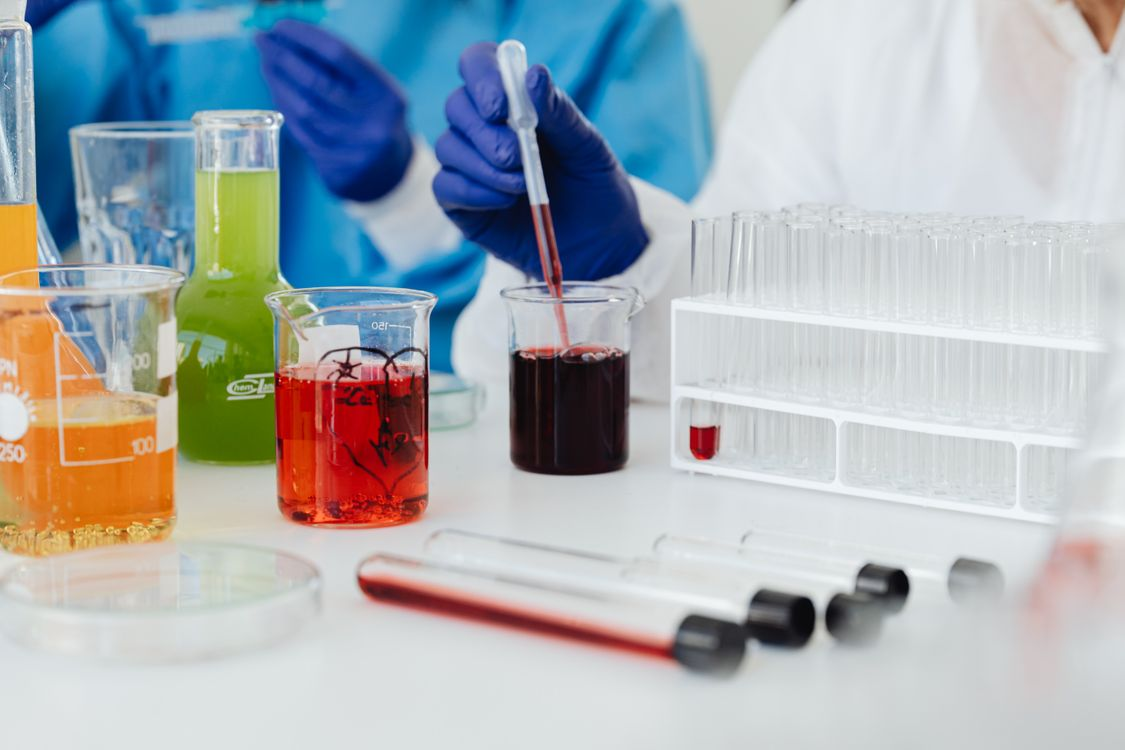
At SIWO US, we focus on developing advanced cationic and nonionic PUDs that support a wide range of coating and adhesive requirements across industrial applications. Our solutions include waterborne polyurethane dispersions engineered for stable processing, strong film formation, and consistent performance on diverse substrates. We also supply industrial waterborne polyurethane coatings and water-based PU for synthetic leather. Get in touch with us now to learn more about our PUD resins, Polyurethanes for Adhesives, and cationic urethanes for ink application.
Get in touch with us now.