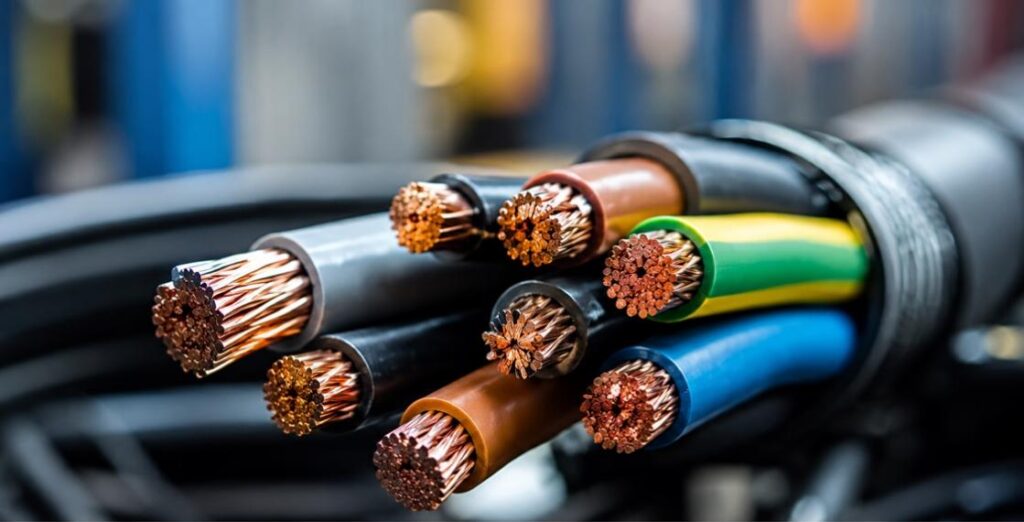
Cables rarely get attention until something goes wrong. They sit behind walls, inside machines, under floors, and across industrial systems, carrying the power and signals people depend on every day. When insulation weakens, the issue is rarely small. Moisture, friction, heat, and bending can all turn a cable into a safety risk.
That is why WPU cable coatings matter. They help protect the outer surface of wires while keeping the cable flexible enough for real use.
Why Insulation Has to Work Harder Now
Modern wiring is expected to perform in tighter spaces and tougher conditions. A cable may need to bend around equipment, resist oil exposure, handle temperature shifts, or sit outdoors for years.
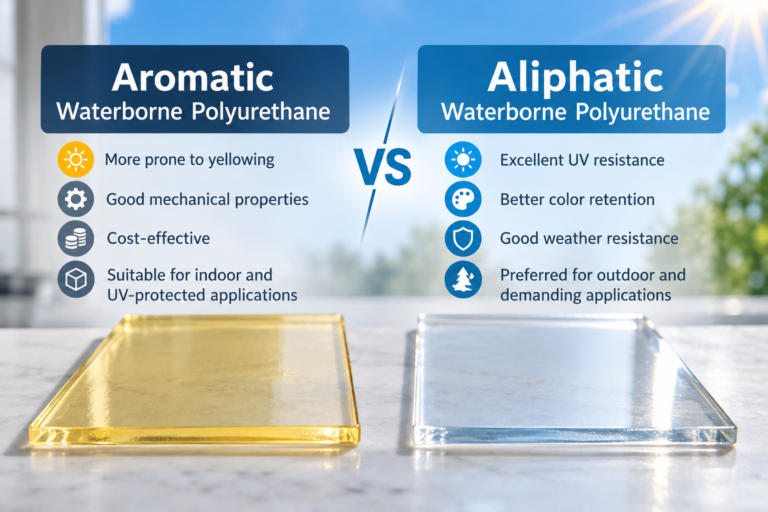
Traditional insulation can struggle when stress builds over time. Small cracks invite moisture. Surface wear can expose sensitive layers. A coating made with waterborne polyurethane can add a protective film that helps reduce these risks without making the cable difficult to handle.
Protection That Moves With the Cable
Flexibility is one reason WPU cable coatings are useful in wire insulation. Cables are pulled, bent, rolled, and installed in spaces that rarely make the job easy. A stiff coating can split under pressure.
A waterborne polyurethane coating can support movement while helping the cable surface resist abrasion. This matters in industrial equipment, transport systems, construction wiring, and control cables, where repeated contact is common.
The coating does not need to be bulky to be useful. A thin, steady layer can improve surface strength and help extend service life.
Moisture and Heat Are Quiet Problems
Water damage is often slow. It may begin with condensation, humidity, or a small cut in the outer layer. Over time, that exposure can affect electrical safety and reduce performance.
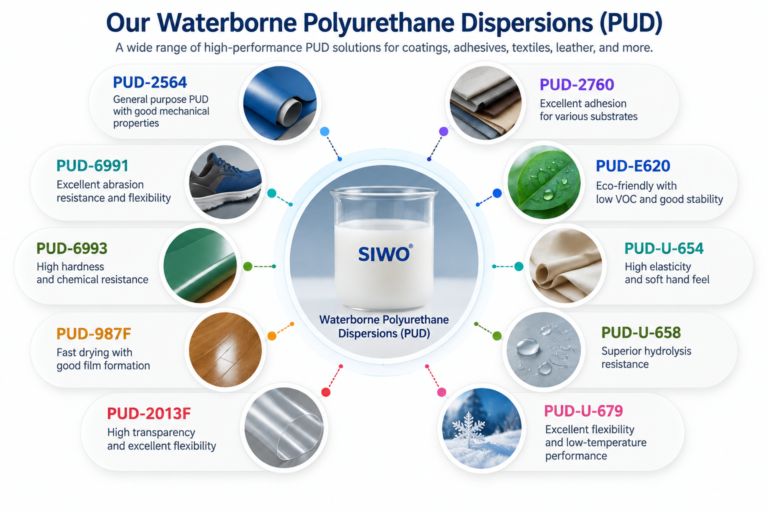
WPU cable coatings help create a barrier against moisture while still supporting practical manufacturing needs. Many systems based on water-based polyurethane also reduce reliance on solvent-heavy materials, which can be better for production teams and compliance goals.
Heat adds another challenge. Cable insulation must resist aging, softening, and surface damage. Polyurethane Dispersions are often used where coatings need to retain their form under daily electrical and mechanical stress.
Better Materials Make Safer Systems
Cable protection is not just a material choice. It affects maintenance, safety planning, and the reliability of the equipment connected to it. When the waterborne polyurethane coating performs well, wires are better prepared for long service in demanding settings.
Manufacturers also need consistency. Working with a trusted Polyurethane Material Supplier can help support coating performance, testing, and production control.
Safer Connections Start With the Surface
Good insulation starts with materials that can handle movement, moisture, and wear. WPU cable coatings utilize an ionic dispersion to provide wire and cable systems with a practical layer of protection for modern electrical, industrial, and infrastructure applications.
For manufacturers seeking reliable water-based PU support, including a self-matting Waterbased polyurethane, SIWO US provides material solutions for advanced coating needs. Contact us today.