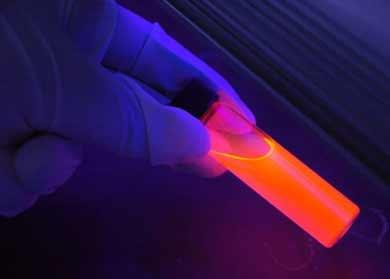
The coatings and adhesives industry is undergoing a profound transformation as regulations, customer demands, and environmental imperatives converge. In this context, waterborne polyurethane dispersions (PUDs) have emerged as a sophisticated alternative to traditional solvent-borne systems. These aqueous systems not only deliver high performance in durability, abrasion resistance, adhesion, and flexibility, but also significantly reduce volatile organic compound (VOC) emissions. Recent reviews demonstrate that “WBPU and WBPUU dispersions exhibit high solids content and molecular weight, possess low viscosity and non-flammability properties,” which make them strong candidates for replacing solvent-based systems.
Meanwhile, the evolution of continuous production methods and scale-up for water-borne polyurethanes offers additional industrialisation potential.
Against that backdrop, this white paper examines the future of high-performance waterborne polyurethane dispersions, focusing on technical advances, market drivers, application opportunities, and how a leading player like SIWO US Inc. is positioned to lead this evolution.
Evolution and Technical Foundations of Waterborne PUDs
Fundamentals of Waterborne Polyurethane Dispersions
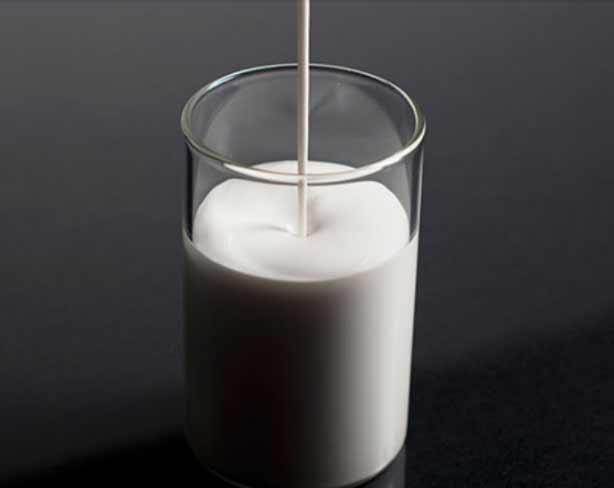
Waterborne polyurethane dispersions are colloidal systems of polyurethane particles suspended in water. They differ from solution-based polyurethanes that rely on organic solvents for polymer dissolution. By incorporating internal or external emulsifiers and carefully balancing hydrophilic/hydrophobic segments, manufacturers produce stable dispersions that form films or coatings upon water removal. As one study explains, “the internal emulsifier forms part of the polymeric chain, providing stability to the formed nanoparticles during the phase inversion step leading to the dispersion formation.” The result is a film with conventional polyurethane attributes, flexibility, adhesion, and chemical resistance, but formulated to meet stringent emissions and health standards.
Key Structure-Property Relationships
The performance of waterborne PUDs hinges on fine-tuning molecular architecture. For example, the choice of polyol (polyester vs polyether), molecular weight, and emulsifier type will impact particle size, viscosity, film-forming behaviour, and mechanical/chemical resistance. As one recent 2023 study indicated, “structure-property relationships of aqueous polyurethanes, as the main component, provide an overview of rheological properties” of WPU systems. Key targets in design include high solids content (to reduce drying time and energy), robust crosslinking (for abrasion/chemical resistance), and film formation at ambient or moderate temperatures (for substrate compatibility).
Manufacturing and Sustainability Imperatives
The transition away from solvent-based PUDs is driven by regulatory pressure (e.g., limits on VOCs and hazardous air pollutants) and ever-stronger environmental credentials demanded by end-users. One account notes that traditional solvent-based polyurethane foam systems for synthetic leather, for instance, are being challenged by waterborne alternatives. On the manufacturing side, continuous production of water-borne PUDs has been addressed in recent literature, which offers insight into the scale-up and processing challenges. Companies such as SIWO US emphasise sustainability as a differentiator, citing their low-VOC, water-based polymers.
Current Applications and High-Performance Demands
Coatings for Wood, Plastic, Rubber, and Metal
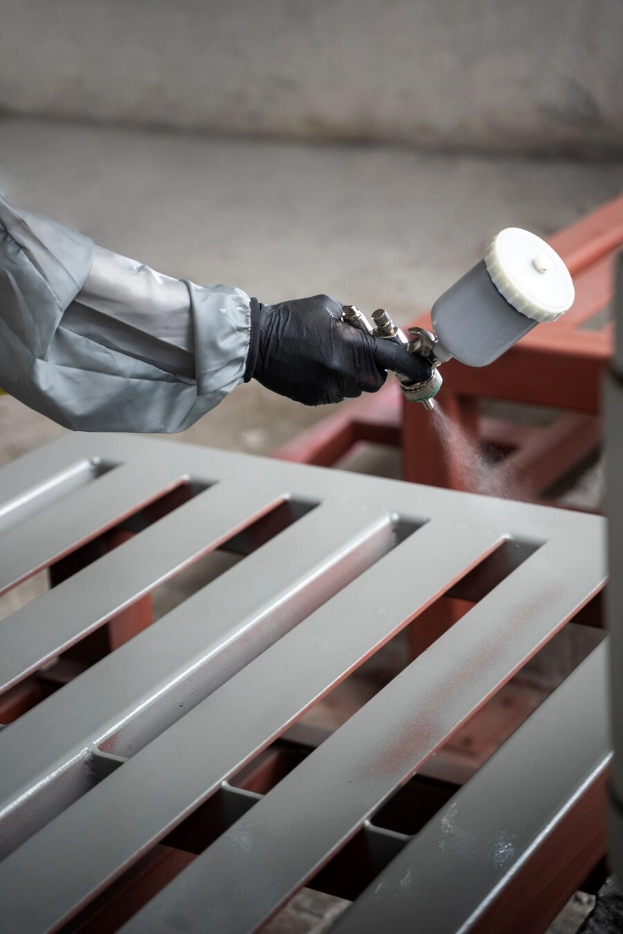
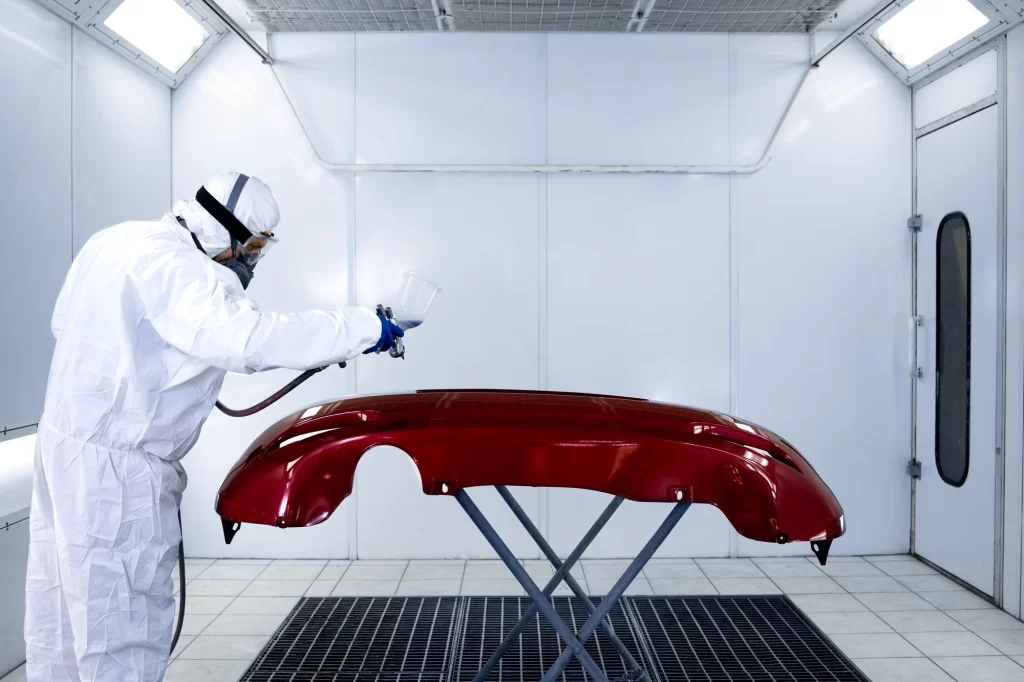
Waterborne PUDs are now deployed in a breadth of substrates: wood flooring, furniture, plastic/rubber components, metal surfaces, automotive interiors, and more. For example, SIWO US offers water-borne polyurethane coatings for the plastic and rubber industries, highlighting their experience of over 25 years and ability to customize formulations for weather-resistance, tensile strength, and durability. The ability of PUDs to deliver fast drying, good film integrity, and low emissions makes them appealing for OEMs and downstream finishers.
Textile, Leather, and Footwear Applications
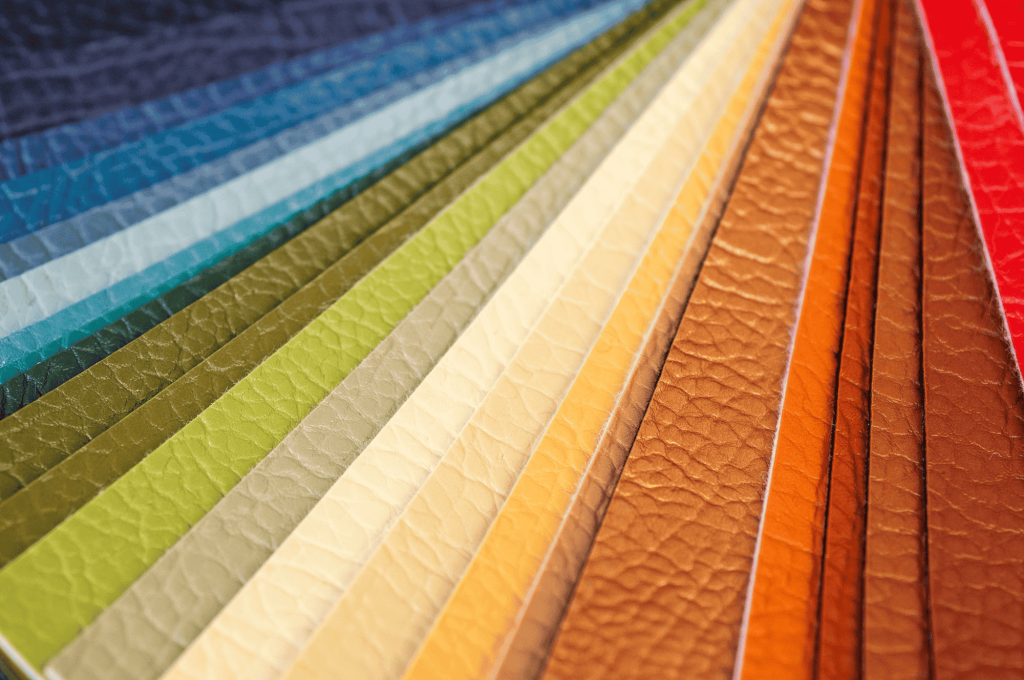
In textiles, leather, and footwear, high‐performance adhesive and coating layers must satisfy wear resistance, flexibility, color retention, and environmental safety. SIWO US’s product line includes cationic PUDs (e.g., SiwoPUD®-1109) for fabrics and leather primer layers. These systems offer features like improved yellowing resistance and substrate compatibility. The trend toward synthetic leather and high‐end performance fabrics fuels interest in functional PUDs with high crosslink density, durability, and aesthetic quality.
Inks, Adhesives, and Emerging Functional Systems
Beyond coatings, PUDs serve as binder resins in graphic art inks, adhesives (for automotive interiors, shoes), and niche applications such as body armour or packaging. The Thomasnet listing for SIWO US references adhesive/coating/packaging applications. The flexibility of PUD chemistries enables tailor-making for printability (inkjet PUD resin), self-matting, cationic urethane, or ionic dispersions.
Future Trends and High-Performance Innovations
Higher Solids & Faster Drying
A continuing goal is to increase the solids content of dispersions (e.g., from 30% to 50% or above) without compromising stability or viscosity. This allows thicker films, reduced water removal times, and faster throughput. For example, patent literature for synthetic leather mentions PUDs with 40-60 wt% prepolymer and up to 55 wt% water content. As dryer processing and energy efficiency become critical, manufacturers will push for systems that cure or dry rapidly at lower temperatures while delivering full performance.
Biobased and Circular Raw Materials
With sustainability high on the agenda, new raw material sources such as CO₂‐based polycarbonates are being explored. For example, a 2023 study described a WPU synthesized from CO₂ and ethylene oxide (PECD) that achieved “superior tensile performance, adhesion properties and surface hardness.” Similarly, a 2025 article explored biobased self-healing WPU dispersions. For high‐performance PUDs, these innovations mean not just meeting current benchmarks but redefining them with novel material systems that combine low environmental impact with superior functionality.
Functional and Smart Property Additions
Beyond ‘traditional’ metrics (hardness, abrasion resistance, chemical resistance), the next‐gen PUDs will integrate smart or multifunctional properties — self-healing, antimicrobial, self-matting, UV stability, and even sensor integration. A 2024 review of advances in waterborne polyurethane matting resins indicates how previously niche features (matt finish, texture control) are gaining importance. The ability to incorporate nanocellulose, graphene, or other nano-reinforcements into PUDs for enhanced mechanical/thermal properties is also emerging.
Tailored Ionic and Cationic Systems for Specialty Substrates
Apart from generic dispersions, specialty PUDs designed for specific substrate classes are on the rise. For instance, cationic waterborne PUDs are used for fabric/leather, metal infiltration, or wood surface treatments (SIWO US lists such products). By fine-tuning emulsifier chemistry (anionic vs cationic vs non-ionic), surface energy, adhesion promoters, and crosslink density, manufacturers will serve ever more demanding applications—particularly in automotive, aerospace interiors, wearables, and high‐tech textiles.
Market Drivers, Challenges, and Competitive Advantage
Regulatory & Environmental Drivers
VOC regulations, indoor air quality standards, worker safety, and the push toward a circular economy are among the primary external drivers encouraging the adoption of waterborne PUDs. As the industry shifts away from solvent‐borne systems, those manufacturers that offer high performance and a low environmental footprint will lead. SIWO US explicitly identifies sustainability and low-VOC operation as central to their offering.
Performance Demands & Cost Pressures
End-users increasingly demand coatings and adhesives that deliver durability, abrasion/chemical resistance, fast curing, aesthetic quality, and compatibility with new substrates (e.g., lightweight composites, synthetic leather, recycled plastics). Balancing those demands with cost competitiveness remains a challenge; high-performance PUDs often require premium raw materials or advanced processing. Players that can scale efficiently, optimize production, and build a reliable supply chain will have an advantage.
Technical & Processing Challenges
Though waterborne PUDs have advanced greatly, some legacy concerns remain: sometimes lower mechanical strength compared with solvent systems, greater sensitivity to moisture during film formation, and challenges in achieving high crosslink density while maintaining dispersion stability. Waterborne polyurethane dispersions tend to suffer from lower mechanical strength than other resins. Overcoming this requires advanced polymer design, reinforcing fillers, and process control.
Competitive Advantage Through Innovation and Customisation
What gives a polyurethane manufacturer an edge? Custom formulation capability, deep R&D resources, broad application coverage, geographical manufacturing flexibility, and strong customer partnerships. SIWO US highlights their 25+ years of experience, strong R&D base, and two large production bases in China, enabling scale and global reach. Their product range spans matte PUDs, hydroxyl-functional PUDs, cationic and non-ionic dispersions, and water-dispersible crosslinkers, demonstrating breadth of capability. Such diversity is crucial as end-users want adhesives for automotive interiors one day, graphic-arts inks the next, and synthetic leather another.
The Role of SIWO US in the High-Performance PUD Landscape
As an industry player, SIWO US exemplifies how strategic positioning in the waterborne polyurethane market can drive future growth. With decades of experience, global production infrastructure, and R&D focus, they have the ingredients to lead the shift. Key aspects of their positioning include:
- Full Application Coverage: SIWO US offers PUDs for coatings, adhesives, textiles, leather, rubber, plastic, wood, metal,and more. This broad substrate compatibility enables them to serve multiple verticals.
- Customisation and Engineering Depth: Their emphasis on “research-based solutions andinnovative thinking to provide innovative solutions for waterborne coatings and adhesives.” This allows high-performance tailoring rather than an off-the-shelf compromise.
- Sustainability Credentials: By emphasising waterborne systems over solvent-based ones, they meet both regulatory and market demands for greener formulations.
- Global Manufacturing & Supply Chain: With production bases in Shanghai and Shandong (China),plus operations in the US (Duluth, GA), they have scale and geographic flexibility.
Consequently, for customers seeking high-performance, low-VOC, durable coatings or adhesives built on waterborne PUD technology, SIWO US is a strong candidate for partnership.
Strategic Roadmap: What Comes Next for High-Performance PUDs
Short-to-Mid Term (1–3 Years)
- Adoption of PUDs into more mainstream applications,where solvent coatings still dominate (e.g., heavy-duty industrial coatings, automotive OEM primers) as performance catches up and cost gaps shrink.
- Increased use of specialtyPUDs (cationic, self-matting, high-abrasion) targeting premium segments (synthetic leather, high-end textiles, advanced composites).
- Modest shift toward biobased and recycled feedstocks for PUD formulations, aligning with circular economy initiatives.
Mid-to-Long Term (3–7 Years)
- Widespread implementation of advanced functional PUDs: self-healing coatings, antimicrobial surfaces, smart coatings sensing damage or wear.
- Higher solids and rapid curing waterborne systems enabling real-time or in-line coating/adhesive processes with minimal drying time.
- Full-scale industrialisation of ultra-low or zero-VOC PUD systems with mechanical performance equalling or exceeding solvent-based equivalents.
- Deeper integration of nanomaterials (nanocellulose, graphene, nanoclays) in PUD matrices for enhanced mechanical/thermal durability, consistent with recent literature.
Long Term (Beyond 7 Years)
- True circular coatings ecosystem: PUDs derived from CO₂ or waste feedstocks, fully recyclable coatings, closed-loop end-of-life systems.
- Digital chemistry and materials informatics integrated into PUD development, enabling rapid design of dispersions tailored to substrate, process,and end-use requirements (akin to machine learning for polyurethane coatings).
- Emergence of hybrid function-integrated coatings: beyond protection, PUD-based systems provide energy storage, sensor integration, and adaptive surfaces.
Considerations for End-Users and Specifiers
Choosing the Right Supplier and System
End‐users migrating to waterborne PUDs should evaluate: supplier track record, customisation capability, support for substrate compatibility, performance verification (abrasion, chemical resistance, UV, adhesion), and environmental credentials. A supplier who offers R&D support and has demonstrated global manufacturing scale (such as SIWO US) brings many advantages.
Matching Chemistry to Substrate and Application
Waterborne PUDs are not one-size-fits-all. For example, textile applications may require soft films with low Tg, fast drying, and excellent flexibility; automotive interiors require high crosslink density, abrasion resistance, and color retention; wood coatings may prioritise hardness and scratch resistance. Selecting a PUD with the correct architecture (cationic vs anionic vs non-ionic, polyether vs polyester vs polycarbonate based) is critical.
Process Integration and Drying Infrastructure
Switching from solvent-based to water-borne systems often requires complementing drying/curing equipment, adjusting application viscosity and film build parameters, and reviewing substrate pretreatment. The end-user must coordinate the supplier and process change together.
Sustainability Metrics and Lifecycle Impact
Beyond emissions, end-users should assess the full lifecycle: raw material sourcing (biobased or fossil), coating durability (longer service life reduces replacement frequency), recyclability or refurbishment of coated parts, and compliance with evolving regulations (e.g., REACH, TSCA, VOC limits).
Conclusion
The era of solvent-based polyurethane systems is giving way to a new paradigm — one defined by high-performance, waterborne polyurethane dispersions that deliver not just comparable mechanical and chemical performance, but also align with environmental, health, and sustainability imperatives. The combination of advanced molecular design, increased solids, functional additives, and process optimization is powering this transition.
For specifiers, coaters, manufacturers, and OEMs, the imperative is clear: adapt to waterborne systems now or risk being left behind. Companies like SIWO US, with deep R&D, global manufacturing, and a comprehensive PUD portfolio, illustrate how the right partner can accelerate this shift. As the journey continues, we expect to see further breakthroughs in biobased raw materials, self-healing films, ultra-high-performance dispersions, and truly circular coatings ecosystems.
In short: beyond solvents lies a future of coatings and adhesives that are greener, smarter, tougher — and ready for the demands of tomorrow.
Partner with SIWO US for your next-generation waterborne polyurethane solution
If you are looking for a reliable polyurethane manufacturer to supply water-based polyurethane dispersions that deliver high durability, functional performance, and sustainability, visit SIWO US Inc.’s website to explore their product range and learn about their expertise. For tailored consultation or to request a quote, please call them now – and secure a trusted polyurethane material supplier for coatings, adhesives, and high-performance applications.